


Winemaker Notes
Food matches that work with Chardonnay would work fine with Hildegard.
Professional Ratings
-
Jeb Dunnuck
Based on 55% Pinot Gris, 40% Pinot Blanc, and 5% Aligote, the 2018 Hildegard Estate White Blend comes mostly from the Bien Nacido Vineyard and was barrel fermented and aged 18 months in 66% new French oak. It offers a Burgundian bouquet of spiced orchard fruits, brioche, honeysuckle, and spicy oak to go with a beautifully textured, medium-bodied, elegant style on the palate. It shows a touch of nuttiness with time in the glass and has bright yet integrated acidity as well as a great finish. I always love this wine, and the 2018 is no exception.
-
Wine Enthusiast
The white Burgundian blend is a lost, or perhaps never found, art in the New World, but Jim Clendenen's blend of 55% Pinot Gris, 40% Pinot Blanc and 5% Aligoté always makes one wonder why. Aromas of freshly squeezed lemon, honeysuckle, grapefruit peel, Asian pear and light pecan lead into a texturally taut palate that blends brisk citrus and warm, salty flavors seamlessly.
-
Robert Parker's Wine Advocate
The 2018 Hildegard opens with flint and crushed stone notes over a core of toasty white peaches and floral perfume. The medium-bodied palate is toasty and perfumed with uplifting yeasty touches and bright freshness, finishing long and ultra perfumed. Interesting and yummy!

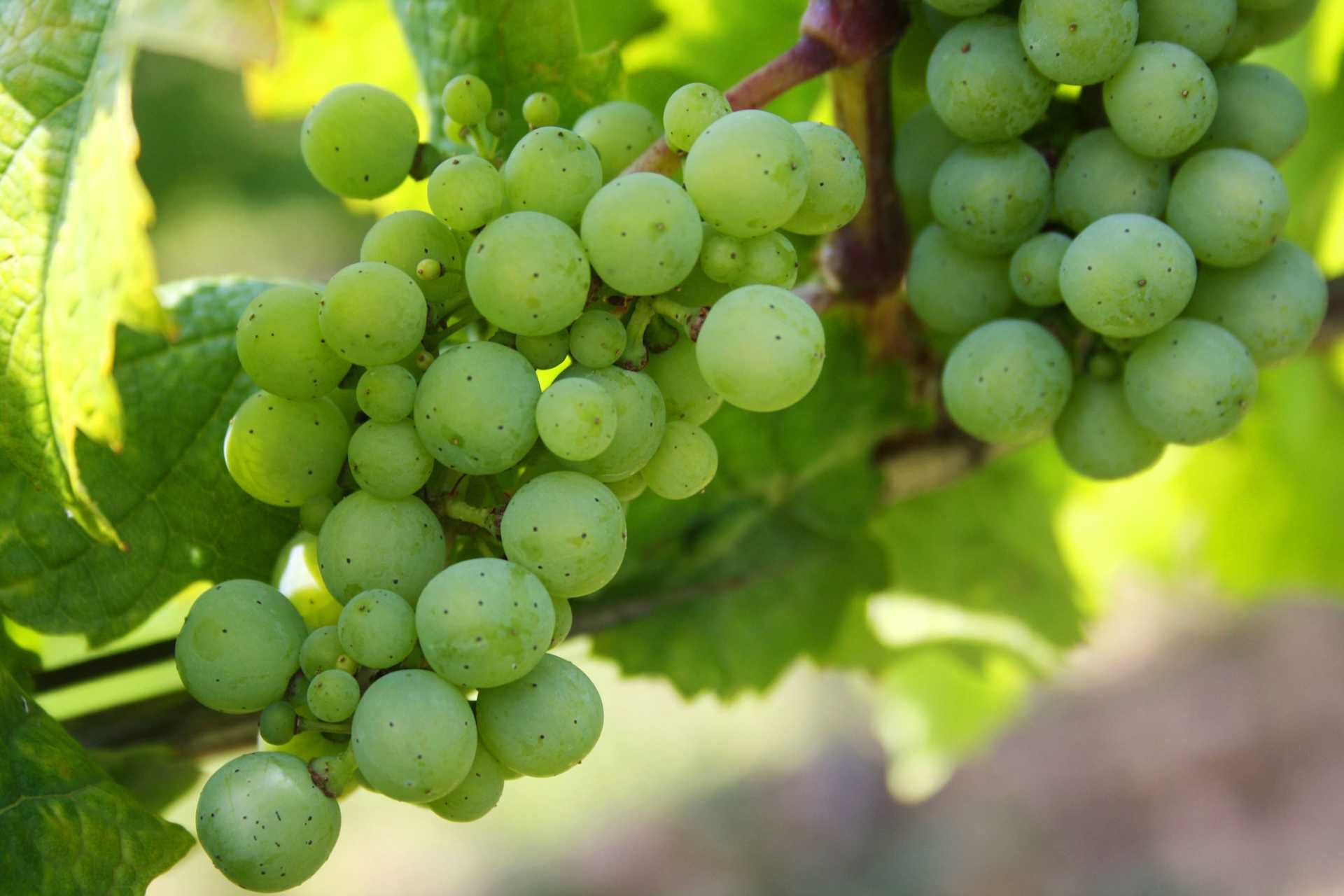
With hundreds of white grape varieties to choose from, winemakers have the freedom to create a virtually endless assortment of blended white wines. In many European regions, strict laws are in place determining the set of varieties that may be used in white wine blends, but in the New World, experimentation is permitted and encouraged. Blending can be utilized to enhance balance or create complexity, lending different layers of flavors and aromas. For example, a variety that creates a soft and full-bodied white wine blend, like Chardonnay, would do well combined with one that is more fragrant and naturally high in acidity. Sometimes small amounts of a particular variety are added to boost color or aromatics. Blending can take place before or after fermentation, with the latter, more popular option giving more control to the winemaker over the final qualities of the wine.

A lesser-known but elite AVA within the larger Santa Barbara district, the Santa Maria Valley AVA runs precisely west to east starting near the coast. The valley funnels cool, Pacific Ocean air to the vineyards more inland, allowing grapes a longer hang time to ripen evenly and achieve their full potential by harvest time. Combined with minimal rainfall, consistent warm sunshine, and well-drained soils, it is an ideal environment for grape growing.
Many of the wineries here are small and highly respected, having established a reputation in the 1970s and 80s for producing excellent Central Coast wines like Pinot Noir and Chardonnay. More recently, Syrah has also proven quite successful in the region. Many vineyards are owned by growers who sell their grapes to other wineries, so it is common to see the same vineyard name on bottlings from different wineries. Bien Nacido Vineyard is perhaps the best-known and most prestigious.