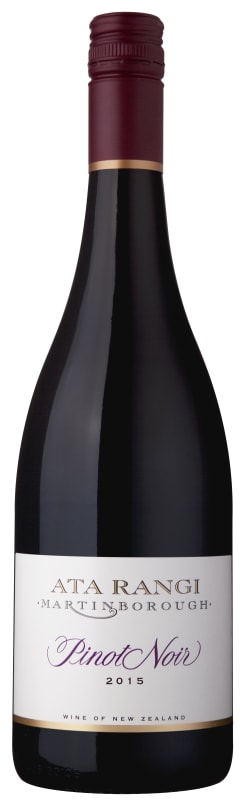


Winemaker Notes
Professional Ratings
-
Robert Parker's Wine Advocate
Even better than I remember from last year, the 2015 Pinot Noir includes 40% whole clusters (about the usual proportion). It's floral and stemmy, then adds huge black cherry fruit and an ample dusting of complex spices. Medium to full-bodied, it's firm and tannic but not unapproachable, with a long, lip-smacking finish.
-
Jasper Morris
Nose is reticent and the palate tightly wound (perhaps going through a closed phase). On the palate tannins are to the front, chewy and compact. There is a good degree of ripe fruit so possibly just needs time to resolve.


Thin-skinned, finicky and temperamental, Pinot Noir is also one of the most rewarding grapes to grow and remains a labor of love for some of the greatest vignerons in Burgundy. Fairly adaptable but highly reflective of the environment in which it is grown, Pinot Noir prefers a cool climate and requires low yields to achieve high quality. Outside of France, outstanding examples come from in Oregon, California and throughout specific locations in wine-producing world. Somm Secret—André Tchelistcheff, California’s most influential post-Prohibition winemaker decidedly stayed away from the grape, claiming “God made Cabernet. The Devil made Pinot Noir.”

Part of the Wairarapa region in the southern end of the country’s North Island, Martinborough is a bucolic appellation full of artisan, lifestyle wine producers. Above all else, their goals are to tend vineyards for low yields and create wines of supreme quality. Pinot noir is the main grape variety here, occupying over half of the land under vine.
Comparing topography, climate and soils, the region is nearly identical to Marlborough except that it produces top quality reds on the regular.