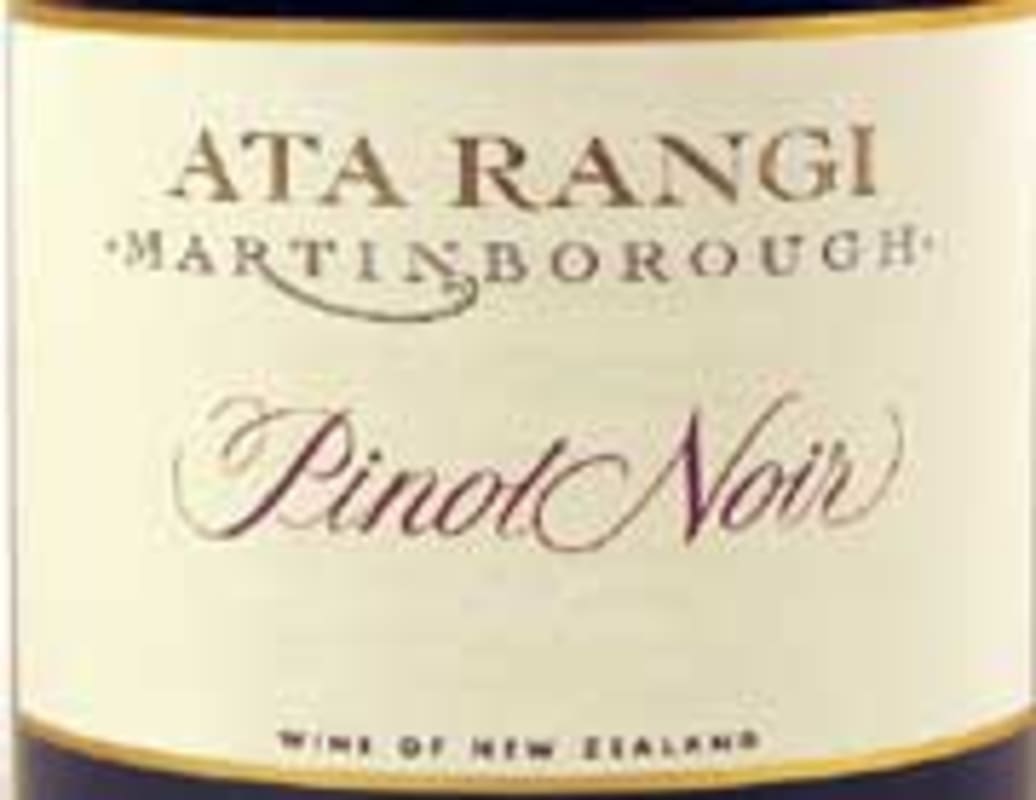

Winemaker Notes
Opened within the next couple of years, expect to savor the rich cherry stone and delicately spiced, ripe plum characters as they slowly emerge in the glass. Fine tannins run evenly across a full palate.
Years later, 5 or 6 at least, patience will reward with complexity and intrigue; layer upon layer of seductively feral notes finely woven with the still distinctive, but now maturing fruit. Sweet spice and vanilla oak, recognisable as separate components when the wine is young, merge to become fully integrated, fulfilling Ata Rangi's aim to achieve real harmony within a seamless whole.
Professional Ratings
-
Jasper Morris
Still looking surprisingly youthful for its age. Sweetly fruited with vibrant red cherry, plum aromas and some barbecued, smoky aromas. Tannins appear right at the end of the palate giving a chewy finish.


Thin-skinned, finicky and temperamental, Pinot Noir is also one of the most rewarding grapes to grow and remains a labor of love for some of the greatest vignerons in Burgundy. Fairly adaptable but highly reflective of the environment in which it is grown, Pinot Noir prefers a cool climate and requires low yields to achieve high quality. Outside of France, outstanding examples come from in Oregon, California and throughout specific locations in wine-producing world. Somm Secret—André Tchelistcheff, California’s most influential post-Prohibition winemaker decidedly stayed away from the grape, claiming “God made Cabernet. The Devil made Pinot Noir.”

Part of the Wairarapa region in the southern end of the country’s North Island, Martinborough is a bucolic appellation full of artisan, lifestyle wine producers. Above all else, their goals are to tend vineyards for low yields and create wines of supreme quality. Pinot noir is the main grape variety here, occupying over half of the land under vine.
Comparing topography, climate and soils, the region is nearly identical to Marlborough except that it produces top quality reds on the regular.