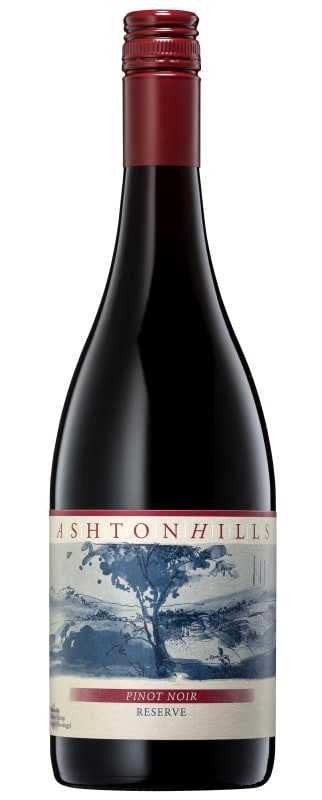


Winemaker Notes
Pairs well with roasted lamb shoulder.
Professional Ratings
-
James Suckling
A deep nose with dark fruit and earth and undergrowth potential here. This is one to lay down. The palate has a long and silky wrap of fine yet dense tannin and a gently suave, smoothly delivered textural ride of sweet ripe cherries, red plums and blueberries. Excellent balance to boot. Drink from 2024.
-
Vinous
Brilliant ruby-red. Vibrant red fruit, floral and baking spice aromas, along with hints of cola and vanilla. Appealingly sweet and well-concentrated but lively as well, offering energetic cherry, raspberry and spicecake flavors lifted by smoky mineral and floral elements. Fine-grained tannins frame an impressively long, focused finish that strongly echoes the berry and spice notes. 50% new French oak.
-
Robert Parker's Wine Advocate
The cedar-scented 2018 Reserve Pinot Noir aged in 50% new French oak. Perhaps it's a bit much, but the wine does boast concentrated red fruit and a hint of mint under that oaky veneer. It's medium-bodied and silky in texture, with supple tannins that remain in the background, allowing the attractive strawberry and raspberry flavors to come through and the wine's seductive texture to shine on the finish.
-
Wine Spectator
Offers fragrant details of dried violet, spice and chicory on a supple frame, surrounding a core of framboise and cherry flavors. Finishes with firming tannins and a note of sarsaparilla. Drink now through 2030.


Thin-skinned, finicky and temperamental, Pinot Noir is also one of the most rewarding grapes to grow and remains a labor of love for some of the greatest vignerons in Burgundy. Fairly adaptable but highly reflective of the environment in which it is grown, Pinot Noir prefers a cool climate and requires low yields to achieve high quality. Outside of France, outstanding examples come from in Oregon, California and throughout specific locations in wine-producing world. Somm Secret—André Tchelistcheff, California’s most influential post-Prohibition winemaker decidedly stayed away from the grape, claiming “God made Cabernet. The Devil made Pinot Noir.”
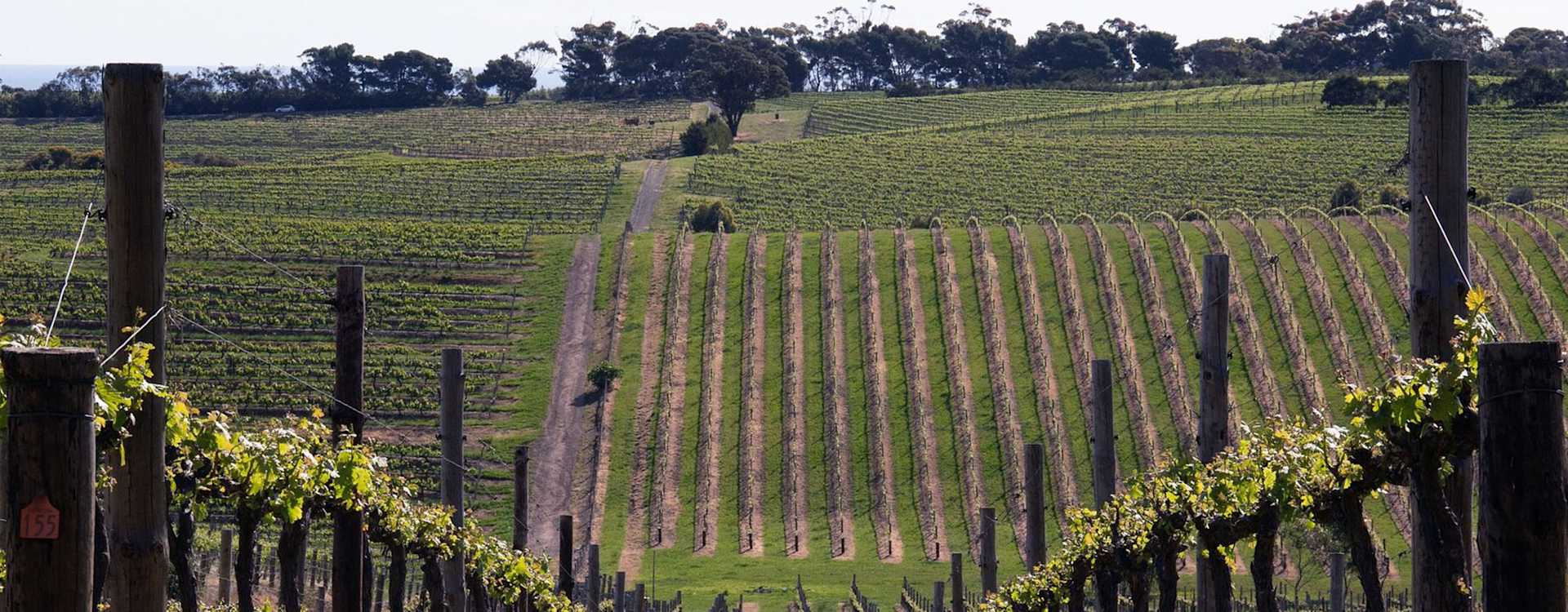
A narrow band of hills and valleys east of the city of Adelaide, the Adelaide Hills region is a diverse landscape featuring a variety of microclimates. In general it is moderate with high-altitude areas cooler and wetter compared to its warmer, lower areas.
Piccadilly Valley, the part of Adelaide Hills closest to the city, was first staked out by a grower named Brian Croser, in the 1970s for a cool spot to grow Chardonnay, then uncommon in Australia. Today a good amount of the Chardonnay goes to winemakers outside of the region.
Producers here experiment with other cool-climate loving aromatic varieties like Pinot Gris, Viognier and Riesling. Charming sparkling wine is also possible. On its north side, lower, west-facing slopes make full-bodied Shiraz.