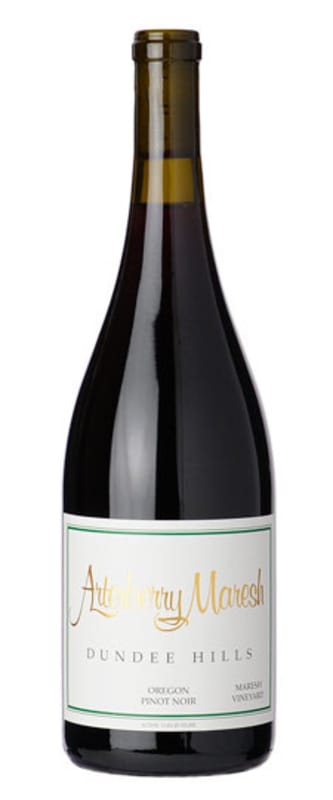


Winemaker Notes
This is Arterberry Maresh's flagship wine, made from 100% Maresh Vineyard estate fruit. The vineyard is managed by Martha Maresh and husband Steve Mikami. Her son Jim makes the wine in a remodeled barn located among the vines. Grown, made, and bottled on the Maresh family’s farm.
Professional Ratings
-
Robert Parker's Wine Advocate
Although the harvest window was marked by episodes of rain, the 2019 Pinot Noir Maresh Vineyard is exceptional, offering particularly pure, bright red fruit and a stony mineral character. Its aromas unfurl very slowly, segueing from flint to raspberry and pomegranate liqueur, then on to wafts of charcuterie, gravel dust and soaring floral perfume. It’s devastatingly delicious, flooding the mouth with highly perfumed, highly concentrated red-fruit flavors. Despite its depth, its silky tannins and fireworks of fresh acidity offer a sense of weightlessness, and it has a very long, kaleidoscopic finish.
-
Wine Spectator
Sleek and pinpoint in focus, with multilayered cherry and pomegranate flavors laced with black tea and dusky spice flavors that build tension toward refined tannins. Drink now


Thin-skinned, finicky and temperamental, Pinot Noir is also one of the most rewarding grapes to grow and remains a labor of love for some of the greatest vignerons in Burgundy. Fairly adaptable but highly reflective of the environment in which it is grown, Pinot Noir prefers a cool climate and requires low yields to achieve high quality. Outside of France, outstanding examples come from in Oregon, California and throughout specific locations in wine-producing world. Somm Secret—André Tchelistcheff, California’s most influential post-Prohibition winemaker decidedly stayed away from the grape, claiming “God made Cabernet. The Devil made Pinot Noir.”

Home of the first Pinot noir vineyard of the Willamette Valley, planted by David Lett of Eyrie Vineyard in 1966, today the Dundee Hills AVA remains the most densely planted AVA in the valley (and state). To its north sits the Chehalem Valley and to its south, runs the Willamette River. Within the region’s 12,500 acres, about 1,700 are planted to vine on predominantly basalt-based, volcanic, Jory soil.