
Winemaker Notes
Professional Ratings
-
Robert Parker's Wine Advocate
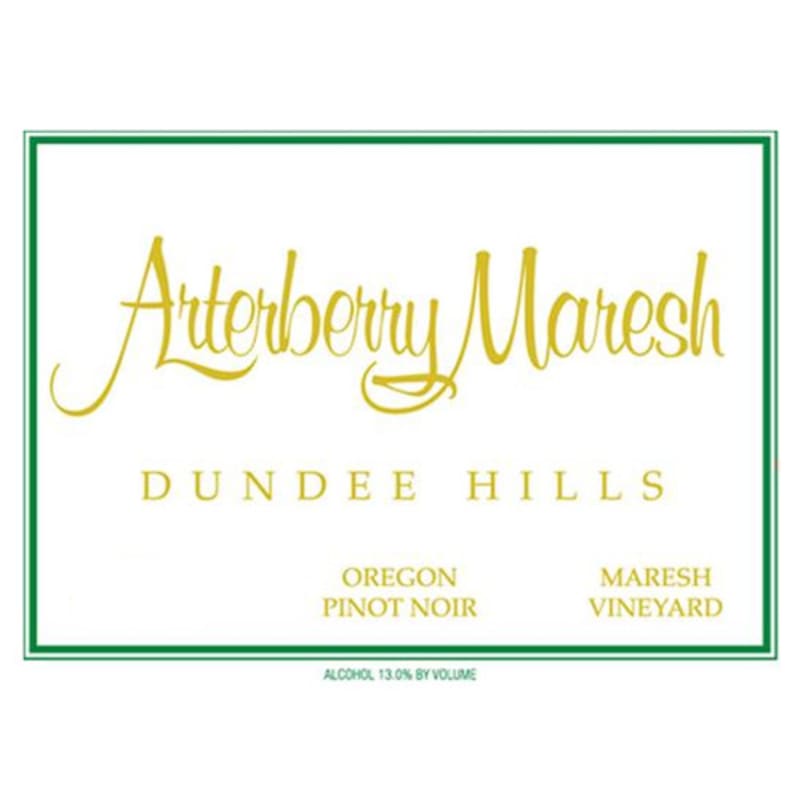
In 2013, Jim Maresh stopped commuting from McMinnville to Dundee and moved back to the Maresh farm. “I thought it was affecting my work,” he explains. “It’s different when your winery is where you live.” The 2013 growing season was very unusual. “We caught the tail of a typhoon,” he recalls. “It came off Hawaii and threw a finger over Oregon and dropped eight inches of rain in seven days. It was the worst weather I’ve ever seen.” Production was very small, just 100 cases. “That’s all I had that was on this level in 2013. I had to sort harder than I’ve ever sorted.”


Thin-skinned, finicky and temperamental, Pinot Noir is also one of the most rewarding grapes to grow and remains a labor of love for some of the greatest vignerons in Burgundy. Fairly adaptable but highly reflective of the environment in which it is grown, Pinot Noir prefers a cool climate and requires low yields to achieve high quality. Outside of France, outstanding examples come from in Oregon, California and throughout specific locations in wine-producing world. Somm Secret—André Tchelistcheff, California’s most influential post-Prohibition winemaker decidedly stayed away from the grape, claiming “God made Cabernet. The Devil made Pinot Noir.”

Home of the first Pinot noir vineyard of the Willamette Valley, planted by David Lett of Eyrie Vineyard in 1966, today the Dundee Hills AVA remains the most densely planted AVA in the valley (and state). To its north sits the Chehalem Valley and to its south, runs the Willamette River. Within the region’s 12,500 acres, about 1,700 are planted to vine on predominantly basalt-based, volcanic, Jory soil.