
Winemaker Notes
Professional Ratings
-
Robert Parker's Wine Advocate
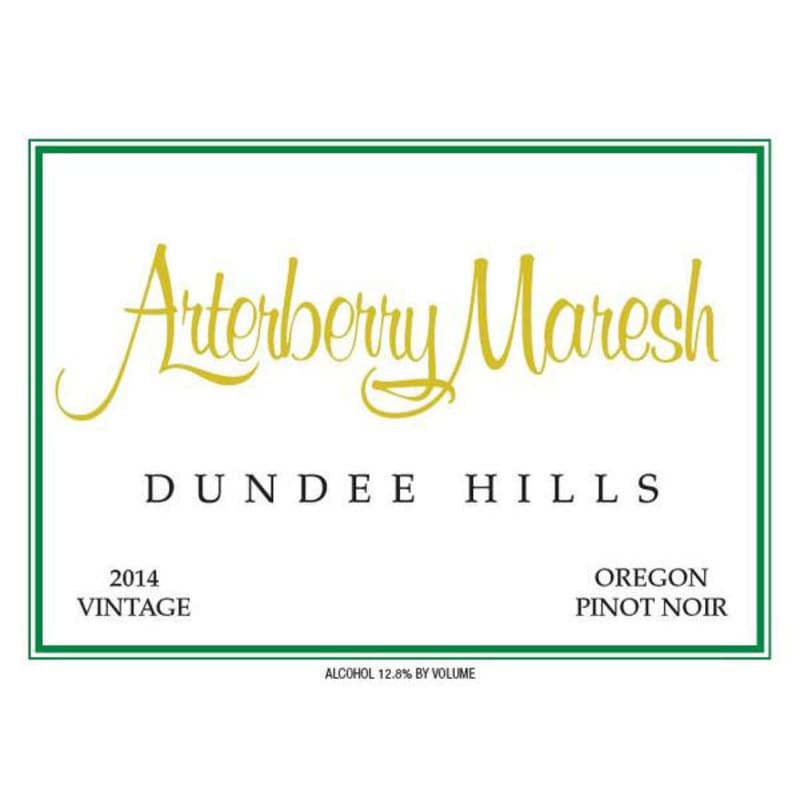
The 2014 Pinot Noir Dundee Hills is a blend of Maresh, Juliard, Weber, Gehrts and Folie Hill vineyards. It has a fresh and vibrant bouquet with red cherry and wild strawberry fruit, touches of blood orange with fine delineation. The palate is medium-bodied with fine tannin - a mixture here of red and black fruit, meaty in style with a Pommard-like finish that lingers in the mouth. For $25, it's probably the bargain of the vintage.


Thin-skinned, finicky and temperamental, Pinot Noir is also one of the most rewarding grapes to grow and remains a labor of love for some of the greatest vignerons in Burgundy. Fairly adaptable but highly reflective of the environment in which it is grown, Pinot Noir prefers a cool climate and requires low yields to achieve high quality. Outside of France, outstanding examples come from in Oregon, California and throughout specific locations in wine-producing world. Somm Secret—André Tchelistcheff, California’s most influential post-Prohibition winemaker decidedly stayed away from the grape, claiming “God made Cabernet. The Devil made Pinot Noir.”

Home of the first Pinot noir vineyard of the Willamette Valley, planted by David Lett of Eyrie Vineyard in 1966, today the Dundee Hills AVA remains the most densely planted AVA in the valley (and state). To its north sits the Chehalem Valley and to its south, runs the Willamette River. Within the region’s 12,500 acres, about 1,700 are planted to vine on predominantly basalt-based, volcanic, Jory soil.