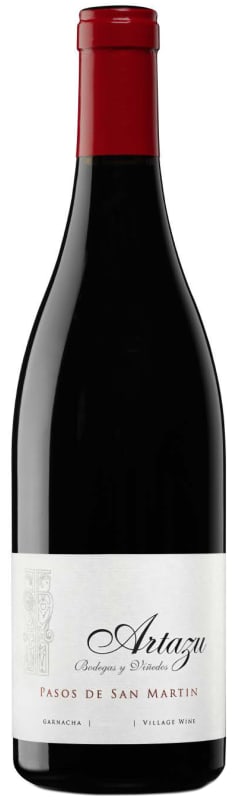


Winemaker Notes
The Garnacha we find at Pasos de San Martín has a bright red ruby colour which creates light and transparency in the glass. In the nose we notice forest floor aromas and blue flowers; it is clean and penetrating. In the mouth is energetic and fruity, with delicate and fresh tannins. It is a wine full of power and authenticity.
Blend: 100% Garnacha
Professional Ratings
-
James Suckling
A round, fruity red with plum, berry and cherry character. Some orange-peel and floral undertones. Full-bodied. Delicious. Drink or hold.
-
Robert Parker's Wine Advocate
Surprisingly enough, I found more Mediterranean notes of herbs, oregano and sun-dried tomato in the 2016 Pasos de San Martín than in the 2017 Santa Cruz de Artazu, despite the cooler vintage and the cooler zone in San Martín de Unx. This had a short élevage of only seven months in 500-liter French oak barrels, and the oak feels very integrated, with the wine coming through as floral and fruit driven. There is always an acute note of violets in this wine. This is nicely textured with fine-grained chalky tannins and more freshness on the palate than what the notes in the nose might point at.


Grenache thrives in any warm, Mediterranean climate where ample sunlight allows its clusters to achieve full phenolic ripeness. While Grenache's birthplace is Spain (there called Garnacha), today it is more recognized as the key player in the red blends of the Southern Rhône, namely Châteauneuf-du-Pape, Côtes du Rhône and its villages. Somm Secret—The Italian island of Sardinia produces bold, rustic, single varietal Grenache (there called Cannonau). California, Washington and Australia have achieved found success with Grenache, both flying solo and in blends.

Just north of Spain’s famous Rioja region, Navarra excels in the production of full and fruit-dominant reds and good quality, dry rosés. Garnacha holds most of the land under vine, with Tempranillo coming in second place.