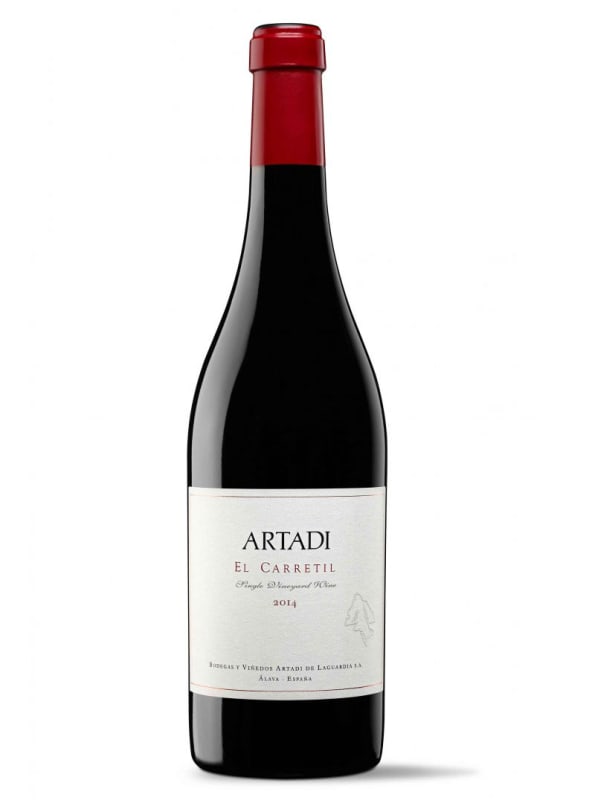


Winemaker Notes
Professional Ratings
-
James Suckling
Extremely floral with chalk and bone character undertones. Dark fruits. Full body, tight and chewy with an extravagant mouthfeel. Lovely austerity. Drink in 2020.
-
Robert Parker's Wine Advocate
Shortening the time in oak for the 2014 El Carretil certainly paid back. The oak feels more integrated, as this used to be the oakiest wine in the portfolio. This is a vineyard between Laguardia and La Puebla de Labarca at 500 meters in altitude, a south-facing amphitheater with 17% active limestone, a lot higher than the average in the zone. It generates fresh, stony wines with chalky tannins. This is linear, serious and concentrated, with tannins that cling to your teeth. This should be phenomenal with some more time in bottle. It always has more acidity, a lower pH. Long and deep. In a hierarchy, I'd place the limestone-rich El Carretil second after El Pisón. This could be an elegant version of the 2009, with a lot more freshness but the same structure.
Rating: 95+ -
Wine Spectator
This red delivers bold flavors of black cherry, kirsch, black tea and cocoa, with notes of tarragon, black tea and mineral.Firm tannins and balsamic acidity give a solid structure. Energetic yet remains harmonious. Drink now.


Hailed as the star red variety in Spain’s most celebrated wine region, Tempranillo from Rioja, or simply labeled, “Rioja,” produces elegant wines with complex notes of red and black fruit, crushed rock, leather, toast and tobacco, whose best examples are fully capable of decades of improvement in the cellar.
Rioja wines are typically a blend of fruit from its three sub-regions: Rioja Alta, Rioja Alavesa and Rioja Oriental, although specific sub-region (zonas), village (municipios) and vineyard (viñedo singular) wines can now be labeled. Rioja Alta and Alavesa, at the highest elevations, are considered to be the source of the brightest, most elegant fruit, while grapes from the warmer and drier, Rioja Oriental, produce wines with deep color, great body and richness.