

Winemaker Notes
Professional Ratings
-
Robert Parker's Wine Advocate
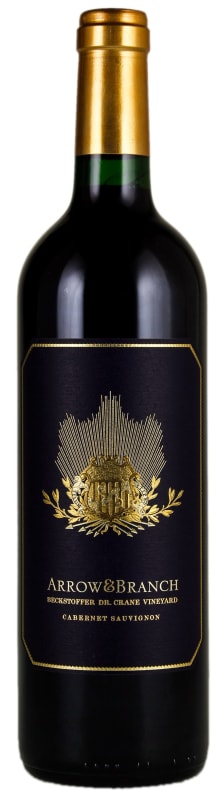
Composed of 95% Cabernet Sauvignon and 5% Petit Verdot (co-fermented) and aged for 20 months in 85% new French oak, the deep garnet-purple colored 2016 Cabernet Sauvignon Beckstoffer Dr. Crane Vineyard delivers a super intense nose of crushed blackcurrant, blackberries, kirsch and black cherries with hints of menthol, violets, chocolate box, iron ore and fragrant earth. Full, firm and grainy, the palate gives layer upon layer of earth and mineral flavors and finishes very long and earthy.
-
Jeb Dunnuck
In the same league, the 2016 Cabernet Sauvignon Dr. Crane Vineyard is another nearly off-the-charts effort from this estate. A co-fermented blend of 95% Cabernet Sauvignon and 5% Petit Verdot that spent 22 months in new barrels, its saturated purple color is followed by a Haut Brion-like bouquet of smoke tobacco, graphite, blackcurrants, licorice, and assorted herbal aromas and flavors. Rich, powerful, and full-bodied on the palate, it’s locked and loaded, yet needs 2-4 years of bottle age. Don’t miss this magical Cabernet Sauvignon! Rating: 97+
-
James Suckling
Finally, a Napa cabernet that manages to balance the sweet fruit this region so easily gives with fine, moderately dry tannins, plus lively acidity. Plenty of flowers, as well as bright berries and a complex texture through the long, silky finish. And it tastes like the wine has a lot less than the actual 14.8 per cent alcohol. Drink or hold.


One of the most prestigious wines of the world capable of great power and grace, Napa Valley Cabernet is a leading force in the world of fine, famous, collectible red wine. Today the Napa Valley and Cabernet Sauvignon are so intrinsically linked that it is difficult to discuss one without the other. But it wasn’t until the 1970s that this marriage came to light; sudden international recognition rained upon Napa with the victory of the Stag’s Leap Wine Cellars 1973 Cabernet Sauvignon in the 1976 Judgement of Paris.
Cabernet Sauvignon undoubtedly dominates Napa Valley today, covering half of the land under vine, commanding the highest prices per ton and earning the most critical acclaim. Cabernet Sauvignon’s structure, acidity, capacity to thrive in multiple environs and ability to express nuances of vintage make it perfect for Napa Valley where incredible soil and geographical diversity are found and the climate is perfect for grape growing. Within the Napa Valley lie many smaller sub-AVAs that express specific characteristics based on situation, slope and soil—as a perfect example, Rutherford’s famous dust or Stags Leap District's tart cherry flavors.