

Winemaker Notes
Pair with meat roasts, steak, matured cheeses game and international cuisine.
Professional Ratings
-
Wine Enthusiast
The 2007 vintage was beautiful in Umbria, and this proves to be a stand out wine with enormous power, personality and depth. It delivers gorgeous intensity with pulses of black cherry, chocolate fudge, spice, leather and pipe tobacco. The finish is soft and rich.
-
James Suckling
Lots of blueberry and licorice character. Full body and chewy tannins that are round textured. Lots of new wood that needs to be melted into the wine with time. Blockbuster style.
-
Wine Spectator
A ripe, fleshy version, with a rustic undertone of charred herb, maduro tobacco and cured olive. The rich plum and fig sauce fruit character leads to a dark, grippy finish.

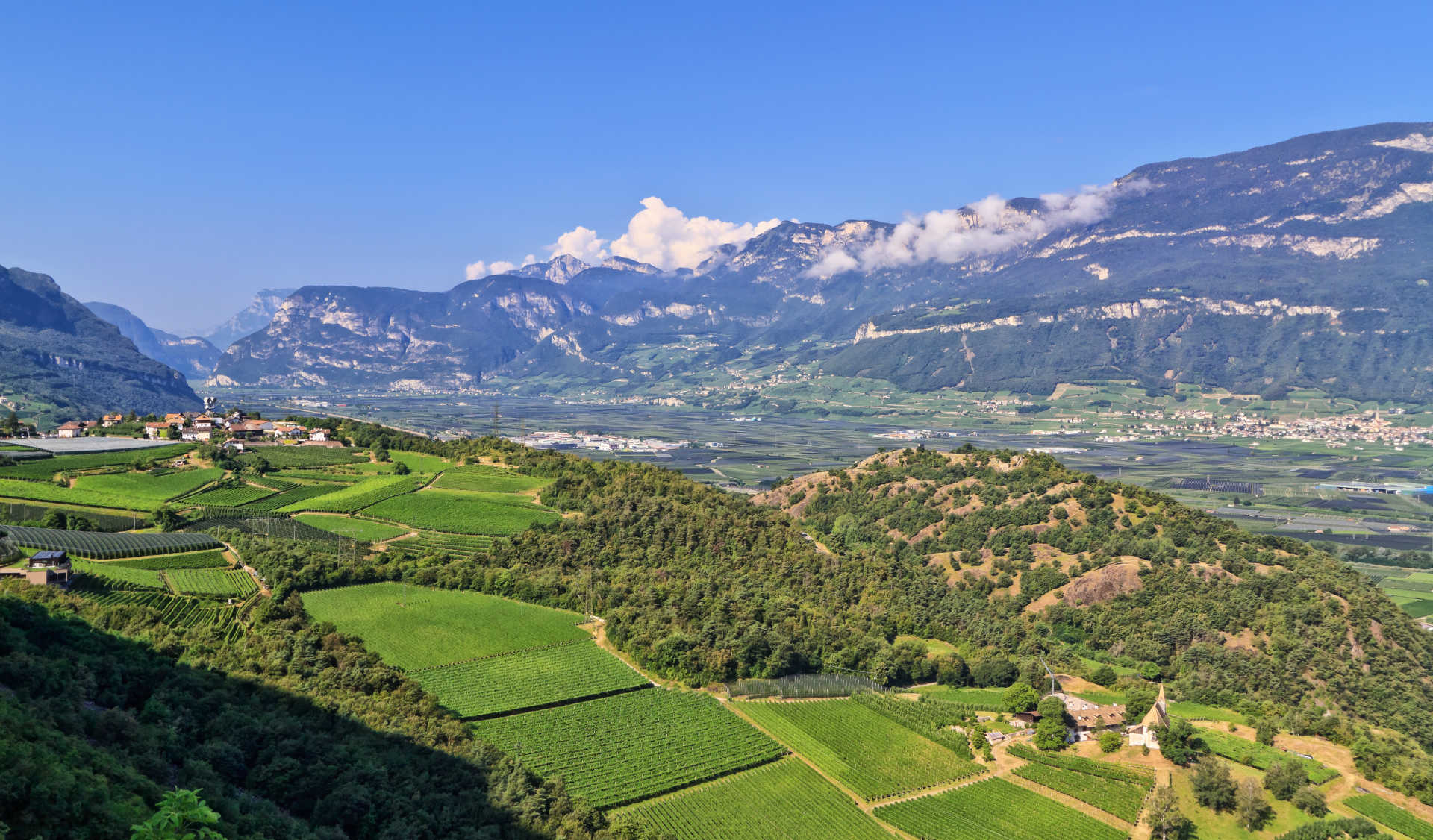
Italian Red Wine
While picturesque hillsides, endless coastlines and a favorable climate serve to unify the grape-growing culture of this country. The apparent never-ending world of indigenous grape varieties gives Italy an unexampled charm and allure for its red wines. From the steep inclines of the Alps to the sprawling, warm, coastal plains of the south, red grape varieties thrive throughout.
The kings of Italy, wines like Barolo and Barbaresco (made of Nebbiolo), and Chianti and Brunello di Montalcino (made of Sangiovese), as well as Amarone (mostly Corvina), play center stage for the most lauded, collected and cellar-worthy reds. Less popular but entirely deserving of as much praise are the wines made from Aglianico, Sagrantino and Nerello Mascalese.
For those accustomed to drinking New World reds, the south is the place to start. Grapes like Negroamaro or Primitvo from Puglia and Nero d’Avola from Sicily make soft, ammicable, full-bodied, fruit-dominant wines. Curious palates should be on the lookout for Cannonau (Grenache), Lagrein, Teroldego, Ruché, Freisa, Cesanese, Schiopettino, Rossese and Gaglioppo to name a few.