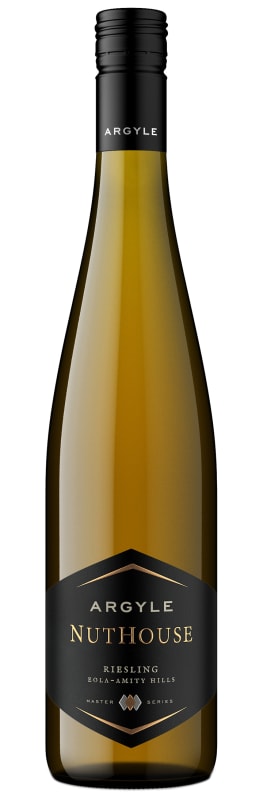


Winemaker Notes
Aromas of lime and orange blossom and a palate of juicy apricots, lemon curd and fresh ginger combine into a plump and iconic Riesling with electric acidity and liveliness.
Professional Ratings
-
Wine & Spirits
Drawn from high-density plantings at the crest of Lone Star vineyard in the Eola Hills, this is as savory as kombucha—and lied like it, too, with scents of sour lemon, ginger and a lingering florality. It’s lean and balanced, with a pleasing firmness that’s hunger-inducing for a seafood curry.




Founded in 1987 as Oregon's original sparkling wine house, Argyle quickly stood out as a study in contrasts—honoring the deep traditions of wine and embracing innovation and experimentation; proud to be Oregonian and pulling knowledge from winemakers around the world. When common knowledge said a winery could produce great sparkling wine or great still wine Argyle asked "why not both?", answering the question with acclaimed wines from Pinot Noir, Chardonnay, Pinot Meunier, and Riesling.
Their four estate vineyards make up nearly 500 acres in the Willamette Valley, with the majority in the Eola-Amity Hills and Dundee Hills nested AVAs. Willamette Valley's cool, late ripening climate produces age worthy base wines. The vineyards, nearing 1000' in elevation, ensure fruit develops slowly, retains acidity, and promotes flavor ripeness before sugar ripeness.
Nate Klostermann is the second winemaker in Argyle's 35-year history and has emerged as one of Oregon's most gifted winemakers. He currently celebrates nearly two decades at Argyle and continues to say he "landed in a good spot" when he arrived at Argyle to work his first harvest. With his fine-tuned winemaking skills and passion for Oregon wine, Nate is now recognized for making elegant and complex sparkling wines along with vibrant and impeccably balanced Pinot Noir, Chardonnay, Riesling and Pinot Meunier.
Built on the foundation of "Grower first", Argyle's viticulture team is taking sustainable farming a step further with regenerative farming. Practices such as utilizing custom cover crop and biochar enhanced compost made in house provide natural nutrient additions. Minimal tilling encourages growth of microbes in the soil, water retention and reduces erosion. Blue bird and kestrel habitats are scattered around various vineyards for pest control. Local sheep are brought into the vineyards to manage grass and weeds, and while they aren't a requirement for winemaking, the team has developed bee sanctuaries. These sanctuaries are parcels of fallow land, now dedicated to growing flowers pollinators and beneficial insects.
Their commitment to and partnerships with community organizations, sustainability, Oregon's winegrowing industry, and their employees and families are foundational to Argyle's approach. Argyle makes contributions to non-profit organizations committed to improving the lives of vineyard workers and non-profit organizations that support the arts. These organizations include AHIVOY, ¡Salud!, The Roots Fund, PDX Jazz, Pacific Northwest College of Art, Portland Center Stage, and Portland Opera.
Argyle is the only winery to land on Wine Spectator's Top 100 list for Sparkling, Chardonnay and Pinot Noir.

Riesling possesses a remarkable ability to reflect the character of wherever it is grown while still maintaining its identity. A regal variety of incredible purity and precision, this versatile grape can be just as enjoyable dry or sweet, young or old, still or sparkling and can age longer than nearly any other white variety. Somm Secret—Given how difficult it is to discern the level of sweetness in a Riesling from the label, here are some clues to find the dry ones. First, look for the world “trocken.” (“Halbtrocken” or “feinherb” mean off-dry.) Also a higher abv usually indicates a drier Riesling.

Running north to south, adjacent to the Willamette River, the Eola-Amity Hills AVA has shallow and well-drained soils created from ancient lava flows (called Jory), marine sediments, rocks and alluvial deposits. These soils force vine roots to dig deep, producing small grapes with great concentration.
Like in the McMinnville sub-AVA, cold Pacific air streams in via the Van Duzer Corridor and assists the maintenance of higher acidity in its grapes. This great concentration, combined with marked acidity, give the Eola-Amity Hills wines—namely Pinot noir—their distinct character. While the region covers 40,000 acres, no more than 1,400 acres are covered in vine.