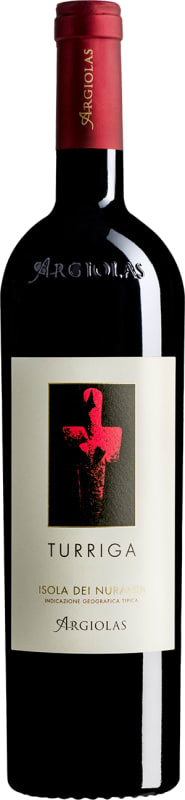


Winemaker Notes
Turriga is a powerful red wine that requires time in bottle to show its full complexity. Upon release, Turriga is densely packed with powerful tannins and tightly wound fruit, thus decanting is recommended. With time in bottle, Turriga reveals multiple layers of Mediterranean herbs, roasted coffee, spices, and licorice with a generous core of black and red fruit.
Cannonau (Garnacha) is known for giving full-flavored and full-bodied red wines and requires big flavors at the table. Grilled or stewed game, beef, or lamb are obvious pairings for this wine as are earthy vegetables such as roasted wild mushrooms. Turriga can also accompany cured meats or aged Pecorino cheese.
Professional Ratings
-
James Suckling
A rich and layered red with so much berry, cedar, chocolate and bark character. It’s medium- to full-bodied with a tight center palate and a flavorful finish. Starts out intense and then finishes very fine and focused. A blend of 85% cannonau, 10% carignano and 5% bovale. Better in three or four years, but already gorgeous.
-
Wine Spectator
A lovely range of plum sauce and blackberry paste flavors is accented by warm earth, herbed olive and graphite notes in this focused red. Light, dusty tannins give a supple feel to the structure, and balsamic acidity animates the profile through the long, lightly chewy finish.


Grenache thrives in any warm, Mediterranean climate where ample sunlight allows its clusters to achieve full phenolic ripeness. While Grenache's birthplace is Spain (there called Garnacha), today it is more recognized as the key player in the red blends of the Southern Rhône, namely Châteauneuf-du-Pape, Côtes du Rhône and its villages. Somm Secret—The Italian island of Sardinia produces bold, rustic, single varietal Grenache (there called Cannonau). California, Washington and Australia have achieved found success with Grenache, both flying solo and in blends.

Hailed for centuries as a Mediterranean vine-growing paradise, multiple cultures over many centuries have ruled the large island of Sardinia. Set in the middle of the Tyrrhenian Sea, the Phonoecians, Ancient Rome, and subsequently the Byzantines, Arabs and Catalans have all staked a claim on the island at some point in history. Along the way, these inhabitants transported many of their homeland’s prized vines and today Sardinia’s modern-day indigenous grape varieties claim multiple origins. Sardinia’s most important red grapes—namely Cannonau (a synonym for Grenache) and Carignan—are actually of Spanish origin.
Vermentino, a prolific Mediterranean variety, is the island’s star white. Vermentino has a stronghold the Languedoc region of France as well as Italy’s western and coastal regions, namely Liguria (where it is called Pigato), Piedmont (where it is called Favorita) and in Tuscany, where it goes by the name, Vermentino. The best Vermentino, in arguably all of the Mediterranean, grows in Sardinia's northeastern region of Gallura where its vines struggle to dig roots deep down into north-facing slopes of granitic soils. These Vermentino vines produce highly aromatic, full and concentrated whites of unparalleled balance.
Today aside from its dedication to viticulture, Sardinia remains committed to maintaining its natural farmlands, bucolic plains of grazing sheep and perhaps most of all, its sandy, sunny, Mediterranean beaches.