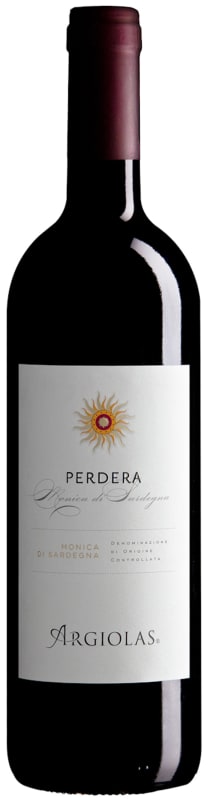


Winemaker Notes
The wine shows red fruit aromas and flavors of cherries and plums with floral notes and spices. Perdera is juicy with bright acidity and low tannins.
Monica is soft and fruity with low levels of tannins making it an ideal red wine to pair with dark fish. An ideal match would be grilled tuna or salmon with a garnish of herbs or swordfish stewed with tomatoes and saffron. Served chilled, Monica will also elevate an outdoor meal of porchetta.
Blend: 90% Monica, 5% Carignano, 5% Bovale Sardo


Beyond the usual suspects, there are hundreds of red grape varieties grown throughout the world. Some are indigenous specialties capable of producing excellent single varietal wines, while others are better suited for use as blending grapes. Each has its own distinct viticultural characteristics, as well as aroma and flavor profiles, offering much to be discovered by the curious wine lover. In particular, Portugal and Italy are known for having a multitude of unique varieties but they can really be found in any region.

Hailed for centuries as a Mediterranean vine-growing paradise, multiple cultures over many centuries have ruled the large island of Sardinia. Set in the middle of the Tyrrhenian Sea, the Phonoecians, Ancient Rome, and subsequently the Byzantines, Arabs and Catalans have all staked a claim on the island at some point in history. Along the way, these inhabitants transported many of their homeland’s prized vines and today Sardinia’s modern-day indigenous grape varieties claim multiple origins. Sardinia’s most important red grapes—namely Cannonau (a synonym for Grenache) and Carignan—are actually of Spanish origin.
Vermentino, a prolific Mediterranean variety, is the island’s star white. Vermentino has a stronghold the Languedoc region of France as well as Italy’s western and coastal regions, namely Liguria (where it is called Pigato), Piedmont (where it is called Favorita) and in Tuscany, where it goes by the name, Vermentino. The best Vermentino, in arguably all of the Mediterranean, grows in Sardinia's northeastern region of Gallura where its vines struggle to dig roots deep down into north-facing slopes of granitic soils. These Vermentino vines produce highly aromatic, full and concentrated whites of unparalleled balance.
Today aside from its dedication to viticulture, Sardinia remains committed to maintaining its natural farmlands, bucolic plains of grazing sheep and perhaps most of all, its sandy, sunny, Mediterranean beaches.