


Winemaker Notes
To describe a wine is always necessary to decipher the landscape of origin, then place it in the environment that generates it to appreciate nature. Villa Donoratico is a very large and complex wine that never falls into banality, showing a character deeply attached to his area of origin. Matured in oak casks, extraordinary in its drinkability and his fidelity to the type that can give way to the sensations of red fruits on the nose, and slightly spicy on the palate with a nice ending note reminiscent of licorice.
Blend: 40% Cabernet Sauvignon, 30% Cabernet Franc, 20% Merlot, and 10% Petit Verdot.
Professional Ratings
-
James Suckling
A balanced and delicious red with currant, cherry and chocolate character. Hints of spice. Medium body, firm and silky tannins and a beautiful finish. Linear and long. Pretty now as a young wine but better in 2020.
-
Robert Parker's Wine Advocate
Showing a thick and well-concentrated consistency, the 2015 Bolgheri Rosso Villa Donoratico is a hearty and bold creation. Cabernet aromas of green spice and dark blackberry are the most evident. After those you get sweeter, oak-driven aromas of tobacco and exotic spice. The mouthfeel is robust and supported by firm tannins. This is one of those quintessential red meat wines. The blend here sees 40% Cabernet Sauvignon, 30% Cabernet Franc, 20% Merlot and 10% Petit Verdot. You get very good value here.
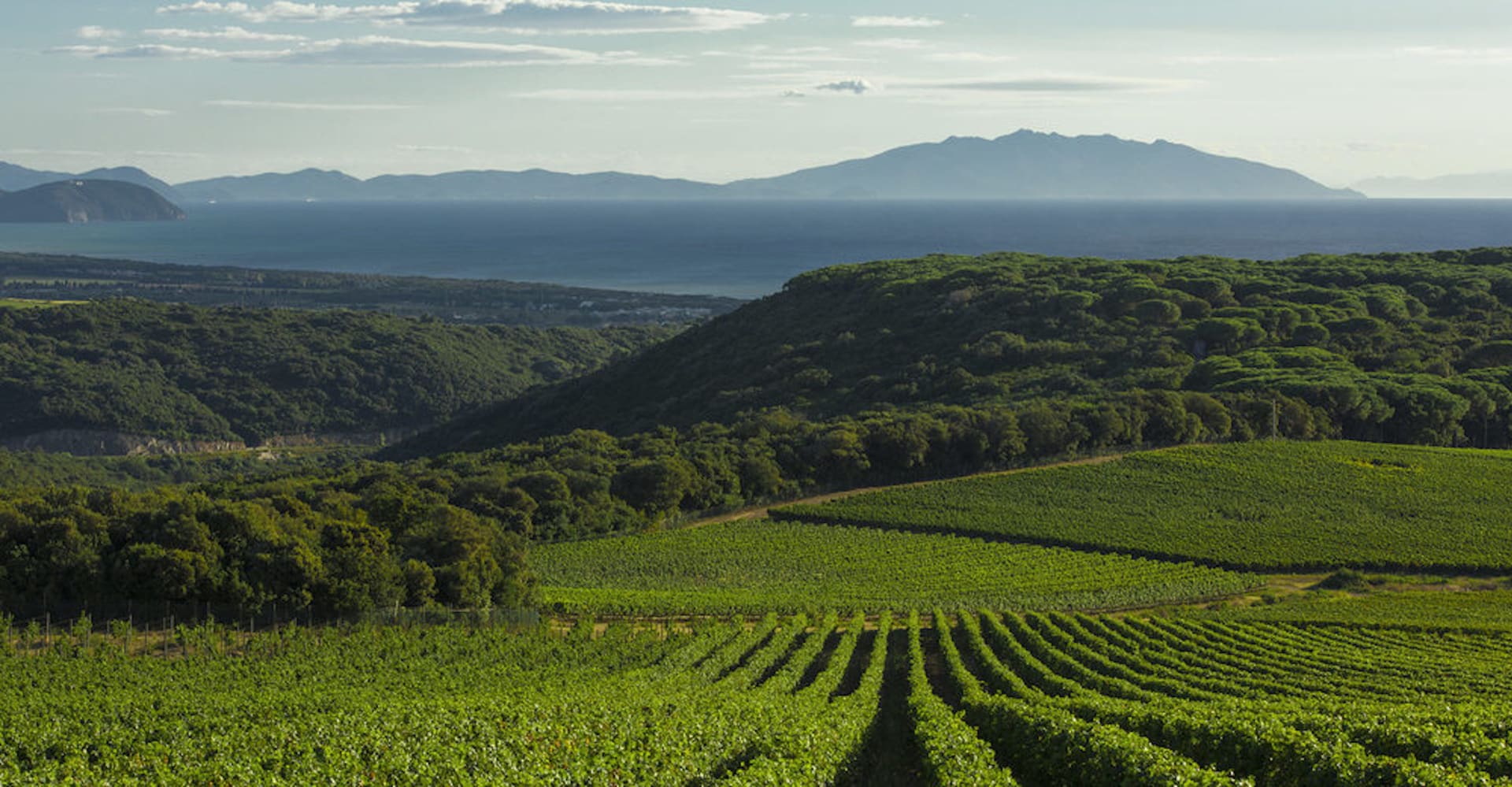


Tenuta Argentiera stands in a magnificent patch of land in the Maremma that blends countryside and sea, suspended between woods and Mediterranean scrub. The Argentiera estate covers 80 hectares of breathtakingly beautiful Tuscan coast, approximately 100 km southwest of Florence. Argentiera is incredibly close to the sea and at a high altitude, making the land especially well-suited to growing incredible red grapes. The estate is considered among the most beautiful in Italy, with its spectacular view of the islands of the Tuscan archipelago. Their soils range from calcerous and stony to sandy to mineral and pebbly, lending complexity to the Cabernet Sauvignon, Cabernet Franc, Merlot, and Syrah. The vineyards are surrounded by Mediterranean vegetation and the countryside is flush with maritime pines and olive tree groves.
Argentiera has five main vineyard sites, ranging in elevation from 80-220 meters above sea level: Argentiera, Ginestre, Ventaglio, Porcarecce, and Ceccosodo. Every plot is harvested and vinified separately, exclusively in stainless steel, to preserve the character and fruity complexity lent by terroir variations. The wineries and cellars themselves are made of recycled or traditional materials such as terracotta and baked roofing tiles.

One of the world’s most classic and popular styles of red wine, Bordeaux-inspired blends have spread from their homeland in France to nearly every corner of the New World. Typically based on either Cabernet Sauvignon or Merlot and supported by Cabernet Franc, Malbec and Petit Verdot, the best of these are densely hued, fragrant, full of fruit and boast a structure that begs for cellar time. Somm Secret—Blends from Bordeaux are generally earthier compared to those from the New World, which tend to be fruit-dominant.

An outstanding wine region made famous by Marchese Mario Incisa della Rocchetta, who planted Cabernet Sauvignon vines for his own consumption in 1940s on his San Guido estate, and called the resulting wine, Sassicaia. Today the region’s Tuscan reds are based on Cabernet Sauvignon and Merlot, which can be made as single varietal wines or blends. The local Sangiovese can make up no more than 50% of the blends. Today Sassicaia has its own DOC designation within the Bogheri DOC appellation.