
Winemaker Notes





In 1993, Archery Summit set its sights on creating wines of real purpose in the Willamette Valley. Since then, the Dundee Hills winery has helped establish the region as the cradle of cooler-climate American wine. Winemaker Kim Abrahams and her team achieve bar-raising wines through hard-won instincts—the familiarity gained from many shared vintages and from tending vineyard sites they know intimately.
As responsible stewards of the land, Archery Summit engages in minimal-impact agriculture. Sustainability is a dynamic and vital part of growing wine—a practice that ensures both the industry’s future and the overall health of the trade. They practice sustainability wherever possible, from responsible farming in the vineyard to energy-sensitive approaches in the cellar.
Many of the vineyard sites are LIVE (Low Input Viticulture & Enology) certified, meaning they adhere to an internationally-acclaimed set of sustainability standards. These guidelines are site-specific and focus on strengthening the well-being of the vineyard through minimal spraying, careful clone selection, heightened biodiversity, and more. Archery Summit is committed to ensuring that the soils and biodiversity of each site remain as healthy and vibrant as when they first began cultivating them.
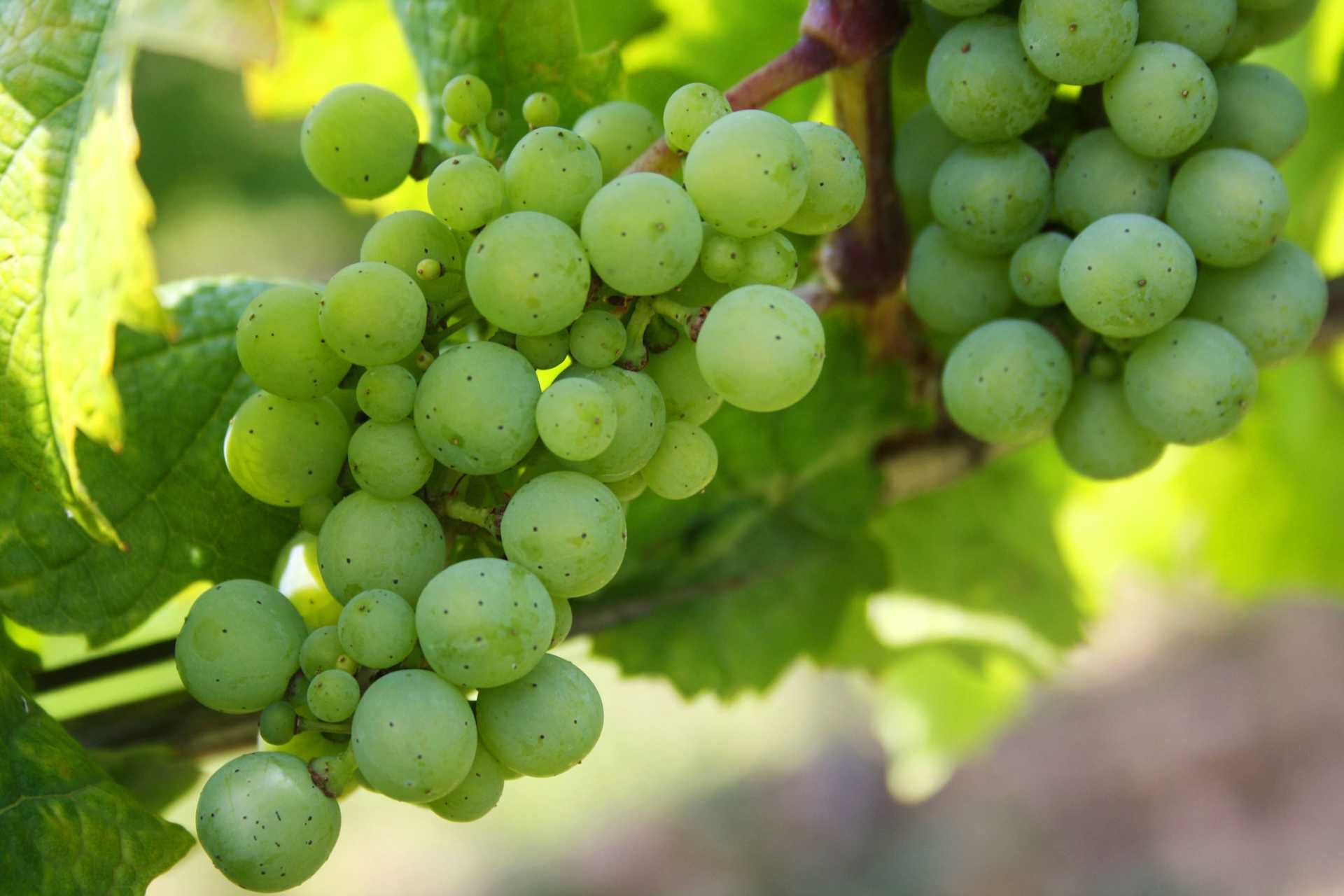
With hundreds of white grape varieties to choose from, winemakers have the freedom to create a virtually endless assortment of blended white wines. In many European regions, strict laws are in place determining the set of varieties that may be used in white wine blends, but in the New World, experimentation is permitted and encouraged. Blending can be utilized to enhance balance or create complexity, lending different layers of flavors and aromas. For example, a variety that creates a soft and full-bodied white wine blend, like Chardonnay, would do well combined with one that is more fragrant and naturally high in acidity. Sometimes small amounts of a particular variety are added to boost color or aromatics. Blending can take place before or after fermentation, with the latter, more popular option giving more control to the winemaker over the final qualities of the wine.

One of Pinot Noir's most successful New World outposts, the Willamette Valley is the largest and most important AVA in Oregon. With a continental climate moderated by the influence of the Pacific Ocean, it is perfect for cool-climate viticulture and the production of elegant wines.
Mountain ranges bordering three sides of the valley, particularly the Chehalem Mountains, provide the option for higher-elevation vineyard sites.
The valley's three prominent soil types (volcanic, sedimentary and silty, loess) make it unique and create significant differences in wine styles among its vineyards and sub-AVAs. The iron-rich, basalt-based, Jory volcanic soils found commonly in the Dundee Hills are rich in clay and hold water well; the chalky, sedimentary soils of Ribbon Ridge, Yamhill-Carlton and McMinnville encourage complex root systems as vines struggle to search for water and minerals. In the most southern stretch of the Willamette, the Eola-Amity Hills sub-AVA soils are mixed, shallow and well-drained. The Hills' close proximity to the Van Duzer Corridor (which became its own appellation as of 2019) also creates grapes with great concentration and firm acidity, leading to wines that perfectly express both power and grace.
Though Pinot noir enjoys the limelight here, Pinot Gris, Pinot Blanc and Chardonnay also thrive in the Willamette. Increasing curiosity has risen recently in the potential of others like Grüner Veltliner, Chenin Blanc and Gamay.