
Winemaker Notes
Professional Ratings
-
Robert Parker's Wine Advocate
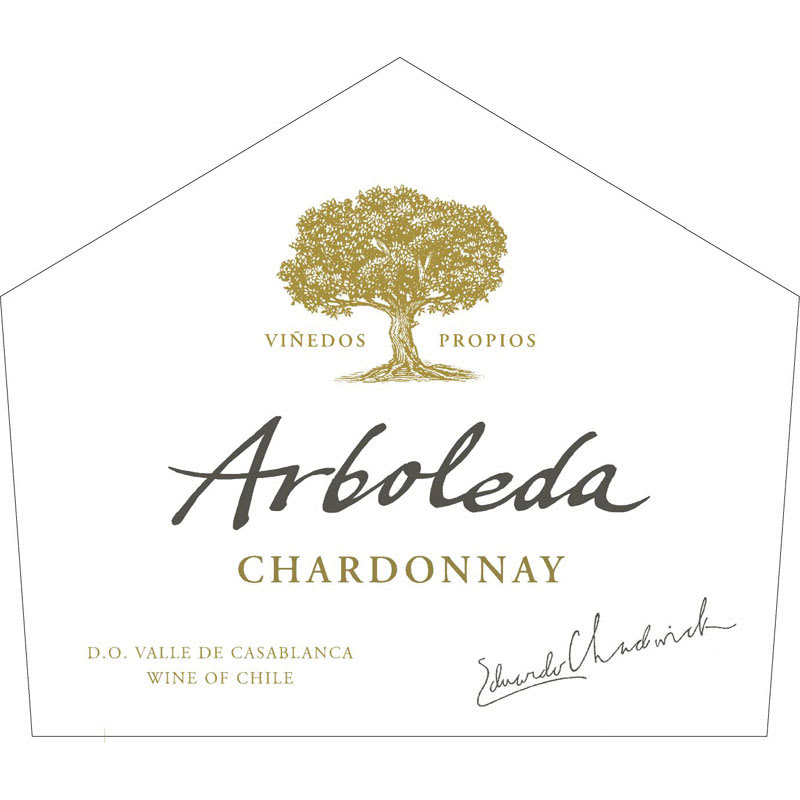
The 2014 Chardonnay is sourced from the coastal part of Aconcagua, from their estate vineyards. The nose has some aromas of nuts, hay and straw over a core of white fruit. The palate is very dry, nothing sweet or tropical to be found here; the Arboleda wines are sourced from plots closer to the sea in search of mineral, austere wines, always bone dry and sometimes strict. This is a very good Chardonnay for food.


One of the most popular and versatile white wine grapes, Chardonnay offers a wide range of flavors and styles depending on where it is grown and how it is made. While it tends to flourish in most environments, Chardonnay from its Burgundian homeland produces some of the most remarkable and longest lived examples. California produces both oaky, buttery styles and leaner, European-inspired wines. Somm Secret—The Burgundian subregion of Chablis, while typically using older oak barrels, produces a bright style similar to the unoaked style. Anyone who doesn't like oaky Chardonnay would likely enjoy Chablis.

A region that has become synonymous with some of the best whites of Chile, the Casablanca Valley is full of dozens of bodegas who either grow fruit here or come from outside to source from local growers for their own white wine programs. The valley runs from east to west, which means that its westernmost vineyards receive the most cooling influence from the reliable afternoon sea breezes. The soils also tend to be heavier in clay in the west, whereas the eastern end of the valley is warmer and its soils are predominantly granitic. Sauvignon blanc thrives here, Chardonnay does well and Pinot noir is not uncommon.