

Winemaker Notes
Professional Ratings
-
Robert Parker's Wine Advocate
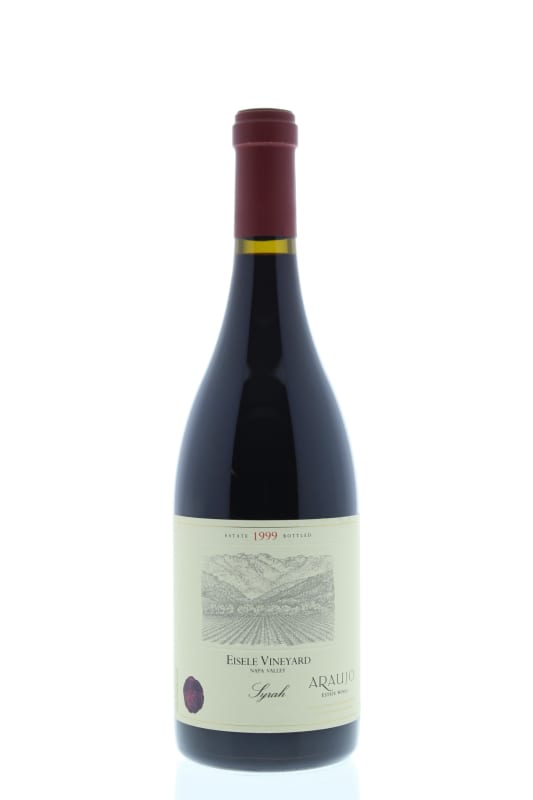
The 1999 Syrah Eisele Vineyard (a blend of 94% Syrah and 6% Viognier) boasts an opaque ruby/purple color along with gorgeous, complex aromatics of melted asphalt, graphite, blackberry liqueur, coffee, and a hint of pepper. This full-bodied Syrah reveals surprising freshness, finesse, and elegance despite its size. The wine is long, rich, and French in style.
-
Wine Spectator
Rich and intense, with complex, focused mineral, berry, leather, tobacco, white pepper and cedary notes. Concentrated, with a sense of elegance and polish.


Marked by an unmistakable deep purple hue and savory aromatics, Syrah makes an intense, powerful and often age-worthy red. Native to the Northern Rhône, Syrah achieves its maximum potential in the steep village of Hermitage and plays an important component in the Red Rhône Blends of the south, adding color and structure to Grenache and Mourvèdre. Syrah is the most widely planted grape of Australia and is important in California and Washington. Sommelier Secret—Such a synergy these three create together, the Grenache, Syrah, Mourvedre trio often takes on the shorthand term, “GSM.”

One of Napa Valley’s oldest wine growing subregions but last to gain appellation status, Calistoga occupies the northernmost section of the valley. Beginning at the foot of Mount St. Helena, its vineyards stretch over steep canyons and roll out onto the valley floor. The soils in Calistoga are volcanic, which means they are heavy in minerals, low in organic matter and allow good drainage for vine roots, creating less green growth and more concentration of flavor within the grape berries.
Summer days are very hot but most nights cool down with moist ocean breezes sneaking in over the Mayacamas Mountains or from Knights Valley to its northwest.
Cabernet Sauvignon is the area’s star variety with Zinfandel coming in a strong second, though the latter commands far less price per tonnage so continues to be outshined by Cabernet in vineyard acreage, save for some important exceptions.