

Winemaker Notes
Professional Ratings
-
Robert Parker's Wine Advocate
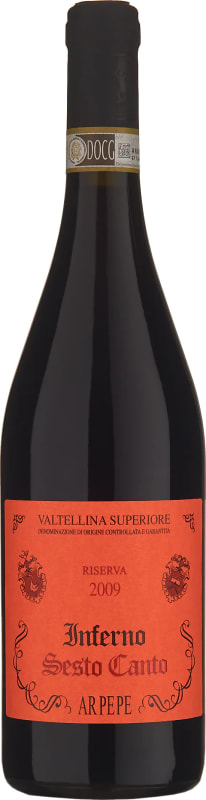
A pure expression of Nebbiolo (also called Chiavennasca) from 50-year-old vines planted in crushed granite soils, the 2009 Valtellina Superiore Riserva Inferno Sesto Canto is a beautiful, somewhat fragile wine that is, in a word, inspired. This is a wine of utmost grace and elegance that gives you pause for reflection and awe. I found it to be quite moving especially considering the hardships of steep mountain farming required to make it. This is one of those wines in which nature and humans work lock and step together. Delicate tones of cassis and wild rose are followed by faint nuances of ash and stone. The wine is fermented on the skins for 49 days. The long aging process sees five years in chestnut barrel and three years in cement vat. Some 6,000 bottles were produced.
-
Wine Enthusiast
The balsamic, fragrant nose expresses this wine's mountain origins and grape variety, offering graphite, dried Alpine herb, pressed rose and forest berry. Featuring elegance and tension, the focused palate show juicy Marasca cherry, ripe strawberry, star anise and a hint of tobacco before a flinty mineral close. It's well balanced, with taut, refined tannins and fresh acidity. Drink through 2034.


Responsible for some of the most elegant and age-worthy wines in the world, Nebbiolo, named for the ubiquitous autumnal fog (called nebbia in Italian), is the star variety of northern Italy’s Piedmont region. Grown throughout the area, as well as in the neighboring Valle d’Aosta and Valtellina, it reaches its highest potential in the Piedmontese villages of Barolo, Barbaresco and Roero. Outside of Italy, growers are still very much in the experimentation stage but some success has been achieved in parts of California. Somm Secret—If you’re new to Nebbiolo, start with a charming, wallet-friendly, early-drinking Langhe Nebbiolo or Nebbiolo d'Alba.

Containing an exciting mix of wine producing subregions, Lombardy is Italy’s largest in size and population. Good quality Pinot noir, Bonarda and Barbera have elevated the reputation of the plains of Oltrepò Pavese. To its northeast in the Alps, Valtellina is the source of Italy’s best Nebbiolo wines outside of Piedmont. Often missed in the shadow of Prosecco, Franciacorta produces collectively Italy’s best Champagne style wines, and for the fun and less serious bubbly, find Lambrusco Mantovano around the city of Mantua. Lugana, a dry white with a devoted following, is produced to the southwest of Lake Garda.