

Winemaker Notes
Professional Ratings
-
Wine & Spirits
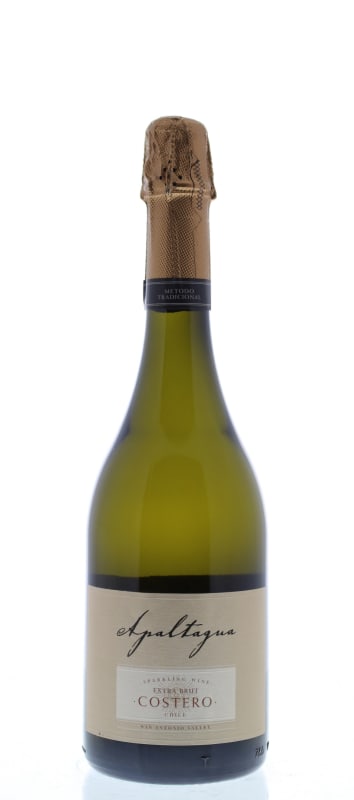
This grows in Chile’s coastal hills, seven miles from the Pacific, a blend of chardonnay harvested ripe and sauvignon blanc harvested early. After nine months in the bottle on the lees, it’s the sauvignon blanc that shows itself most clearly, its green notes edging the riper peach and apple flavors. Dry, smoky and austere, this wine has a salty finish that will work well with oysters. Global Vineyard Importers, Berkeley, CA. Best Buy


A term typically reserved for Champagne and Sparkling Wines, non-vintage or simply “NV” on a label indicates a blend of finished wines from different vintages (years of harvest). To make non-vintage Champagne, typically the current year’s harvest (in other words, the current vintage) forms the base of the blend. Finished wines from previous years, called “vins de reserve” are blended in at approximately 10-50% of the total volume in order to achieve the flavor, complexity, body and acidity for the desired house style. A tiny proportion of Champagnes are made from a single vintage.
There are also some very large production still wines that may not claim one particular vintage. This would be at the discretion of the winemaker’s goals for character of the final wine.

Its rolling, coastal hills encouraged great investment in the 1990s from those in search of a cooler grape growing environment compared to those found in Chile’s Central Valley. All of the vineyards of the San Antonio Valley, which runs north to south and parallel to the coast, experience the cooling effect of the ocean and are made of vine-loving clay and granitic soils. While Sauvignon Blanc put this valley on the Chilean wine map, high quality Pinot Noir and Chardonnay are emerging and some producers are starting to experiment with sparkling wine.