
Winemaker Notes
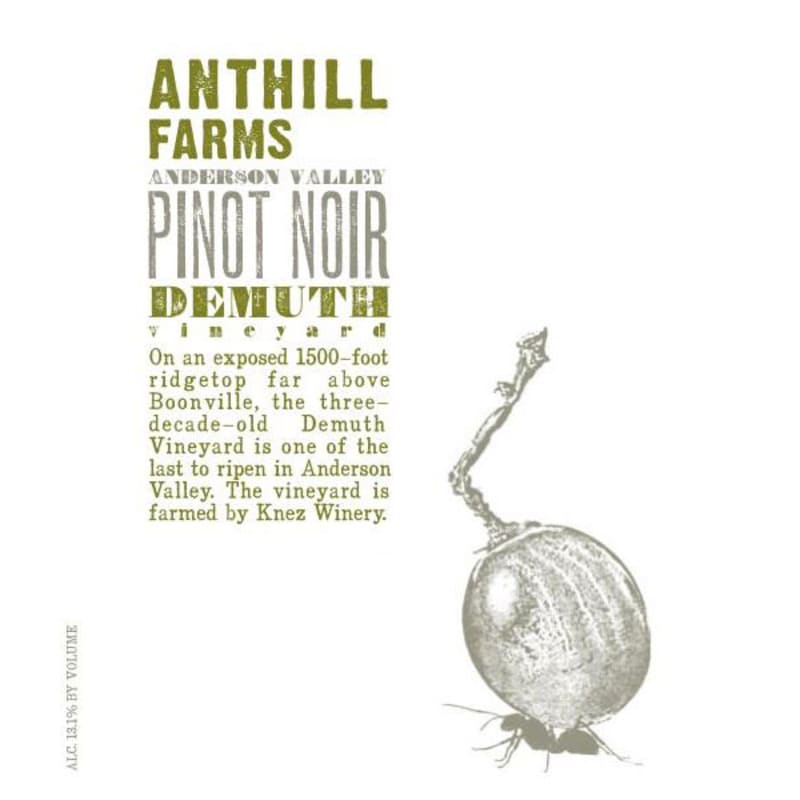
This vineyard, at 1400-1600 feet, is only a mile up the road from Abbey-Harris and shares similar, though less rocky, soils. Our two blocks function like two vineyards: the terraced rows of the Wädenswil clone form one section, while the Pommard block sits on a shelf a bit lower down the slope. The afternoon winds, cool temperatures, and thirty-year-old vines create a wine of great depth and perfumed elegance. This vineyard, farmed by Kosta Browne Winery, yielded less than one ton per acre.
Professional Ratings
-
Wine & Spirits
This plays on the underside of ripeness, giving its generously textured fruit a cool, crisp snap, like the skin of a ripe plum. It comes from two blocks of 30-year-old vines, one planted to the Wädenswil clone, the other to a Pommard selection, the blend managing to feel zesty even as the fruit packs lushness and furry stem tannins. This presents itself as a beautiful if gangly adolescent, needing maturity to hit its stride.


Thin-skinned, finicky and temperamental, Pinot Noir is also one of the most rewarding grapes to grow and remains a labor of love for some of the greatest vignerons in Burgundy. Fairly adaptable but highly reflective of the environment in which it is grown, Pinot Noir prefers a cool climate and requires low yields to achieve high quality. Outside of France, outstanding examples come from in Oregon, California and throughout specific locations in wine-producing world. Somm Secret—André Tchelistcheff, California’s most influential post-Prohibition winemaker decidedly stayed away from the grape, claiming “God made Cabernet. The Devil made Pinot Noir.”
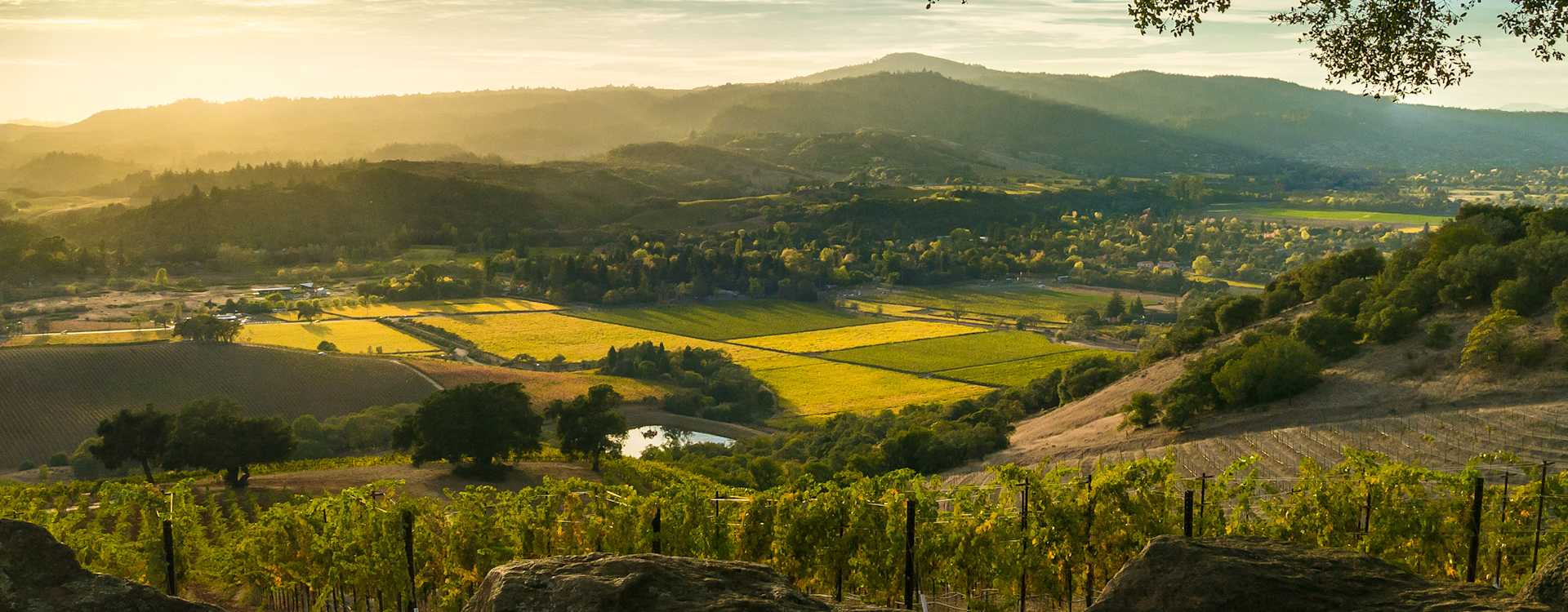
Home to a diverse array of smaller AVAs with varied microclimates and soil types, Sonoma County has something for every wine lover. Physically twice as large as Napa Valley, the region only produces about half the amount of wine but boasts both tremendous quality and variety. With its laid-back atmosphere and down-to-earth attitude, the wineries of Sonoma are appreciated by wine tourists for their friendliness and approachability. The entire county intends to become a 100% sustainable winegrowing region by 2019.
Sonoma County wines are produced with carefully selected grape varieties to reflect the best attributes of their sites—Dry Creek Valley’s consistent sunshine is ideal for Zinfandel, while the warm Alexander Valley is responsible for rich, voluptuous red wines like Cabernet Sauvignon. Chardonnay and Pinot Noir are important throughout the county, most notably in the cooler AVAs of Russian River, Sonoma Coast and Carneros. Sauvignon Blanc, Merlot and Syrah have also found a firm footing here.