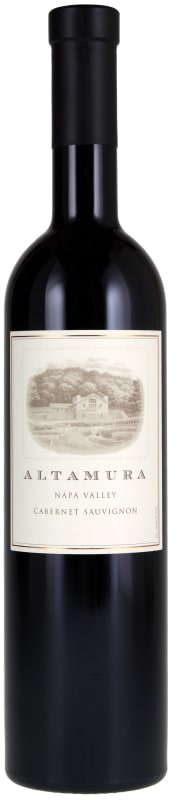


Winemaker Notes
Fermentation of Altamura Cabernet Sauvignon occurs in both open and closed top fermenters. Certain lots are allowed to macerate on their skins for up to three weeks following fermentation. This technique produces a wine with softer, more integrated tannins, which carry fruit and oak nuances through to the palate. The wine is racked into 70% new French oak barrels for a period of 34 months. The wine is lightly filtered and then bottled.
Professional Ratings
-
Robert Parker's Wine Advocate
Deep garnet-purple colored, the 2015 Cabernet Sauvignon rocks up with gregarious black cherries, blackcurrants and warm plums with hints of menthol, chocolate box and fragrant earth. Big, rich and full-bodied, with loads of minted black berry and earthy layers, it has a firm, grainy frame and fantastic length.
-
Wine Spectator
Exhibits a tight core of vibrant blackberry, anise, gravel, cedar and tobacco leaf flavors, and though the tannins are study, this shows a measure of grace and harmony that bodes well for the future. Drink now through 2032.


One of the most prestigious wines of the world capable of great power and grace, Napa Valley Cabernet is a leading force in the world of fine, famous, collectible red wine. Today the Napa Valley and Cabernet Sauvignon are so intrinsically linked that it is difficult to discuss one without the other. But it wasn’t until the 1970s that this marriage came to light; sudden international recognition rained upon Napa with the victory of the Stag’s Leap Wine Cellars 1973 Cabernet Sauvignon in the 1976 Judgement of Paris.
Cabernet Sauvignon undoubtedly dominates Napa Valley today, covering half of the land under vine, commanding the highest prices per ton and earning the most critical acclaim. Cabernet Sauvignon’s structure, acidity, capacity to thrive in multiple environs and ability to express nuances of vintage make it perfect for Napa Valley where incredible soil and geographical diversity are found and the climate is perfect for grape growing. Within the Napa Valley lie many smaller sub-AVAs that express specific characteristics based on situation, slope and soil—as a perfect example, Rutherford’s famous dust or Stags Leap District's tart cherry flavors.