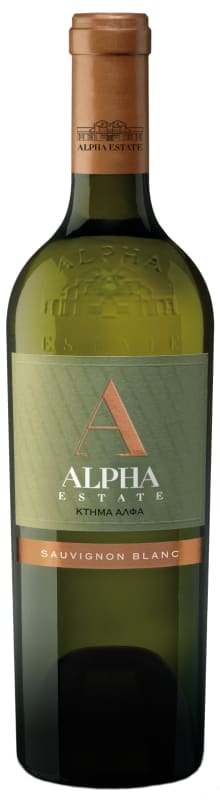


Winemaker Notes
Brilliantly, light yellow in color with greenish tints. Strong and lively nose, typical Sauvignon Blanc, suggesting gooseberry, passion fruits, melon, litchi with a note of honeysuckle. Round and mellow on the palate, quite fat balanced although, with plenty of finesse. Crispy and well structured, reminding the nose aromas with a hint of lime. A richly textured wine with superb length and balance. A classy wine with long finish and persistent aromas.
Professional Ratings
-
Robert Parker's Wine Advocate
This is a very vibrant and fresh expression of this aromatic grape. The Alpha Estate 2023 Sauvignon Blanc has tropical fruits and a hint of ashy mineral or flint. Those tropical tones fold into creamy peach and apple cobbler. This is a mid-weight wine with pretty mineral nuances to drive a fresh and linear mouthfeel.


Capable of a vast array of styles, Sauvignon Blanc is a crisp, refreshing variety that equally reflects both terroir and varietal character. Though it can vary depending on where it is grown, a couple of commonalities always exist—namely, zesty acidity and intense aromatics. This variety is of French provenance. Somm Secret—Along with Cabernet Franc, Sauvignon Blanc is a proud parent of Cabernet Sauvignon. That green bell pepper aroma that all three varieties share is no coincidence—it comes from a high concentration of pyrazines (herbaceous aromatic compounds) inherent to each member of the family.

A picturesque Mediterranean nation with a rich wine culture dating back to ancient times, Greece has so much more to offer than just retsina. Between the mainland and the country’s many islands, a wealth of Greek wine styles exists, made mostly from Greece’s plentiful indigenous varieties. After centuries of adversity after Ottoman rule, the modern Greek wine industry took off in the late 20th century with an influx of newly trained winemakers and investments in winemaking technology.
The climate—generally hot Mediterranean—can vary a bit with latitude and elevation, and is mostly moderated by cool maritime breezes. Drought can be an issue for Greek wine during the long, dry summers, sometimes necessitating irrigation.
Over 300 indigenous grapes have been identified throughout Greece, and though not all of them are suitable for wine production, future decades will likely see a significant revival and refinement of many of these native Greek wine varieties. Assyrtiko, the crisp, saline Greek wine variety of the island of Santorini, is one of the most important and popular white wine varieties, alongside Roditis, Robola, Moschofilero, and Malagousia. Muscat is also widely grown for both sweet and dry wines. Prominent red wine varieties include full-bodied and fruity Agiorghitiko, native to Nemea; Macedonia’s savory, tannic Xinomavro; and Mavrodaphne, used commonly to produce a Port-like fortified wine in the Peloponnese.