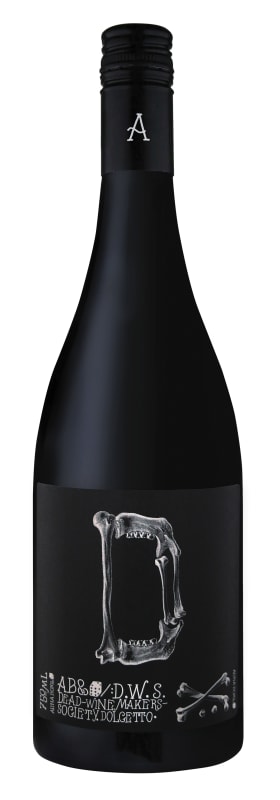


Winemaker Notes
Professional Ratings
-
Wine Enthusiast
The strongest offering of this producer’s “alternative” red varieties, this northern Italian variety—not often seen Down Under—has some bottle age but still feels fresh as a daisy. The color of a black cherry and rose petal infusion, it’s very fruity and perfumed, like strawberry, cherry and blueberry juice speckled with flower petals and wood spice. The palate is medium bodied and silky with a lovely grip of sappy tannins to balance the plump fruit. A pleasureinducing drop to drink now slightly chilled

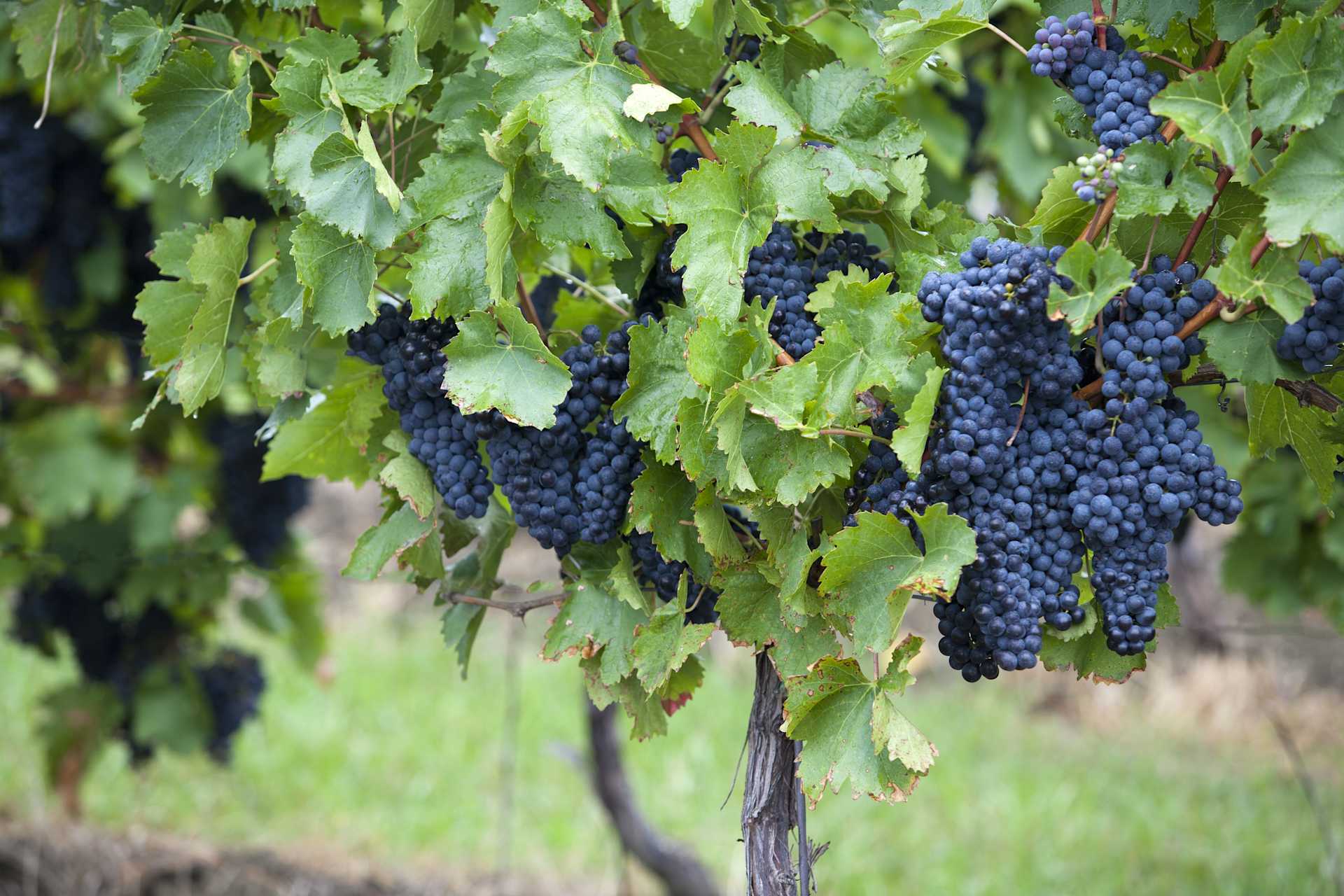
An easy drinking red with soft fruity flavors—but catchy tannins, Dolcetto is often enjoyed in its native Piedmont on a casual weekday night, or for apertivo (the canonical Piedmontese pre-dinner appetizer hour). Somm Secret—In most of Piedmont, easy-ripening Dolcetto is relegated to the secondary sites—the best of which are reserved for the king variety: Nebbiolo. However, in the Dogliani zone it is the star of the show, and makes a more serious style of Dolcetto, many of which can improve with cellar time.
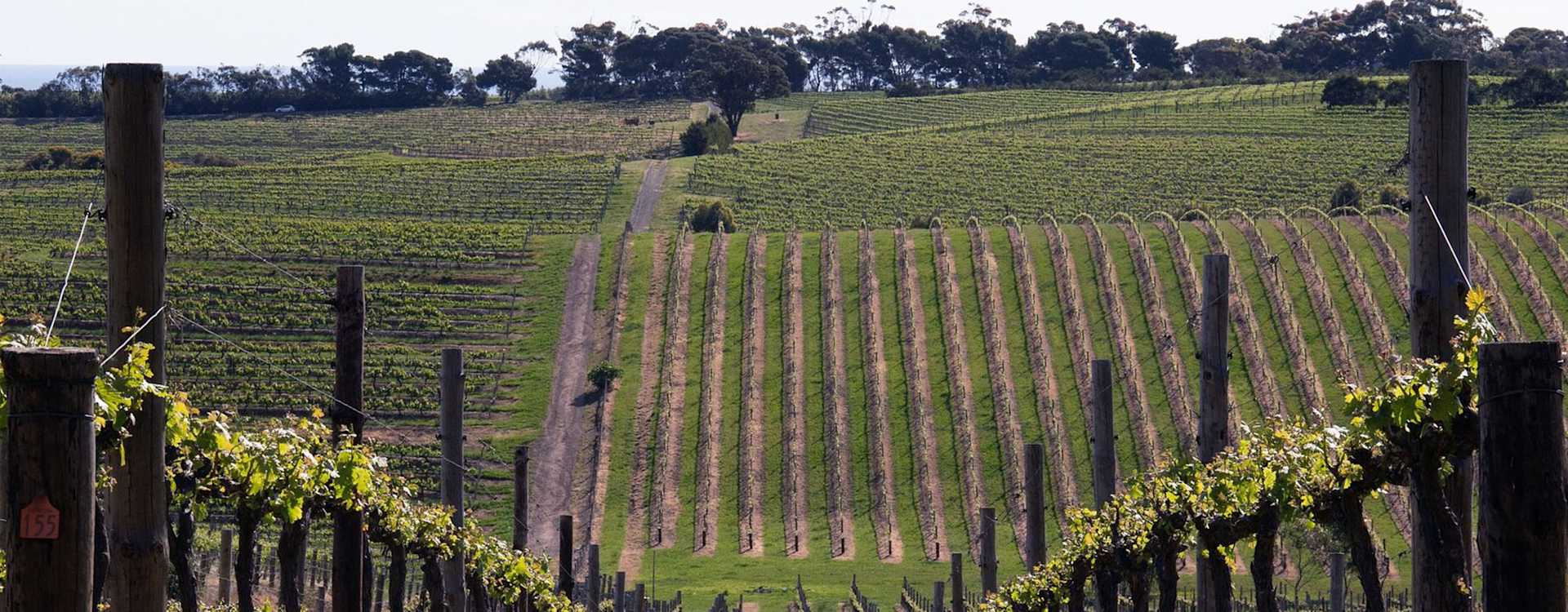
A narrow band of hills and valleys east of the city of Adelaide, the Adelaide Hills region is a diverse landscape featuring a variety of microclimates. In general it is moderate with high-altitude areas cooler and wetter compared to its warmer, lower areas.
Piccadilly Valley, the part of Adelaide Hills closest to the city, was first staked out by a grower named Brian Croser, in the 1970s for a cool spot to grow Chardonnay, then uncommon in Australia. Today a good amount of the Chardonnay goes to winemakers outside of the region.
Producers here experiment with other cool-climate loving aromatic varieties like Pinot Gris, Viognier and Riesling. Charming sparkling wine is also possible. On its north side, lower, west-facing slopes make full-bodied Shiraz.