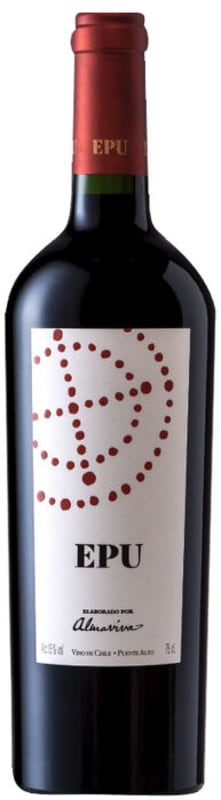


Winemaker Notes
#91 Wine Spectator Top 100 of 2022
Blend: 84% Cabernet Sauvignon, 13% Carménère, 2% Merlot, 1% Cabernet Franc
Professional Ratings
-
James Suckling
Aromas of blueberries, blackberries and fresh flowers. Very cool and pure. Medium-bodied with fine, linear and very integrated tannins that are compressed and silky-textured. New second wine of Almaviva. Needs time to open.
-
Robert Parker's Wine Advocate
The first truly international release of the second wine is going to be the 2019 Epu, which has changed image and label, looking a little more like Almaviva, and is going to be sold through the Bordeaux négoce. 2019 was a very dry vintage, and the blend is 84% Cabernet Sauvignon, 13% Carmenere, 2% Merlot and 1% Cabernet Franc with slightly higher alcohol than 2018 and with lower acidity, matured in used barriques for one year. In terms of freshness, the wine is quite similar to the 2018 that I tasted next to it, obviously a little younger, quite intense and fruit-driven, spicy and herbal, with a creamy texture and fine-grained tannins. It's a second wine, but they also want to do something different and Epu is perhaps a little more classical, perhaps this is more Bordeaux and Almaviva is more Chilean.
-
Wine Spectator
This red offers ripe plum and cherry cordial flavors up front, revealing layers of nuance as it unfolds, including intriguing orange zest, Calabrian chili and olive notes. Presents a fresh, minerally acidity midpalate that pushes all the flavors to the finish, with zesty but firm tannins and echoes back to the opening flavors. Shows tremendous length. Cabernet Sauvignon, Carmenère, Merlot and Cabernet Franc.
-
Wine & Spirits
The second wine of the estate, this is a bright cabernet blend in 2019. Its scents of eucalyptus hover over gravelly tannins, with dark-berry fruit cushioning the texture in between. The flavors last in a lively and fragrant finish. This is approachable now, especially with grilled meats.
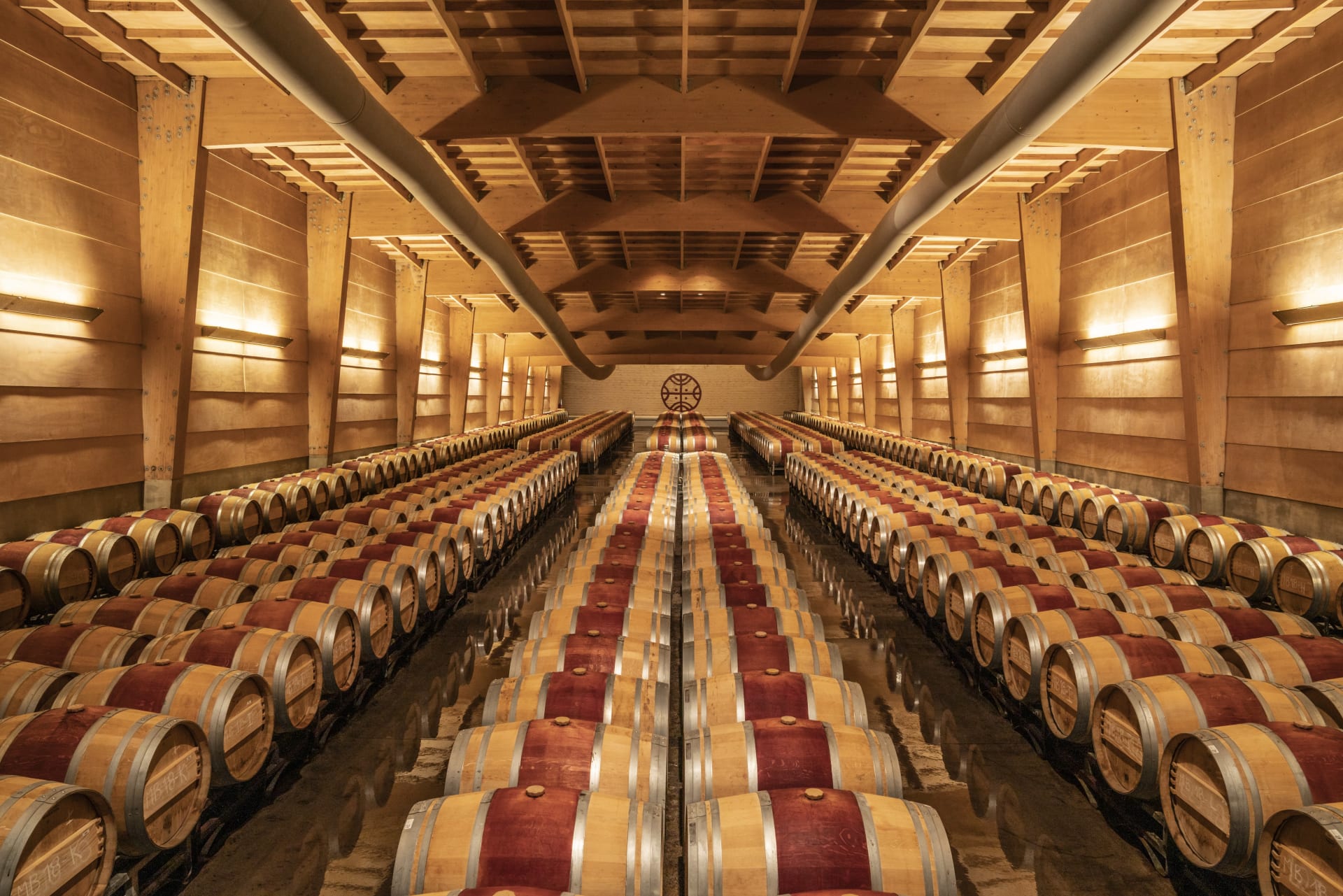


Almaviva is the name of both winery and wine born of the joint venture between Baron Philippe de Rothschild and Viña Concha y Toro. It is also that of Pierre de Beaumarchais' character, the "Count of Almaviva" in his Marriage of Figaro, a work Wolfgang Amadeus Mozart later turned into one of the most popular operas ever. The classical epithet, laid out in Pierre de Beaumarchais' fair hand, shares the label with insignia of pre-hispanic roots symbolizing a union of European and American cultures that at every level has created successive bonds over centuries that have evolved a unique identity. The recent synthesis of French tradition and American soil has delivered an exceptional wine embodying the best of both worlds, a Primer Orden that really shines.

One of the world’s most classic and popular styles of red wine, Bordeaux-inspired blends have spread from their homeland in France to nearly every corner of the New World. Typically based on either Cabernet Sauvignon or Merlot and supported by Cabernet Franc, Malbec and Petit Verdot, the best of these are densely hued, fragrant, full of fruit and boast a structure that begs for cellar time. Somm Secret—Blends from Bordeaux are generally earthier compared to those from the New World, which tend to be fruit-dominant.

The Maipo Valley is Chile’s most famous wine region. Set in the country’s Central Valley, it is warm and quite dry, often necessitating the use of irrigation. Alluvial soils predominate but are supplemented with loam and clay.
The climate in Maipo is best-suited for ripe, full-bodied reds like Cabernet Sauvignon (the region’s most widely planted grape), Merlot, Syrah and Carmenère, a Bordeaux variety that has found a successful home in Chile.
White wines are also produced with great prosperity, especially near the cooler coast, include Chardonnay and Sauvignon Blanc.