


Winemaker Notes
La Grola is the extraordinary result of the meeting of two great personalities: the hill of La Grola and the Valpolicella’s autochthonous grapes. The excellent exposure of the vineyards, which enjoy the sun’s warm rays and the cool breezes that come from nearby Lake Garda, allows the grapes to produce their very best. Careful, craftsman-like ageing in the cellar yields a red wine with great elegance, harmony and finesse that can evolve positively for over a decade.
Blend: 90% Corvina Veronese, 10% Oseleta
Professional Ratings
-
James Suckling
Beautiful aromas of dried fruit, such as figs and walnuts, following through to a full body with chewy tannins and a flavorful finish. It’s rich and round with lots of fruit and a soft, pretty finish. Drink now or hold.
-
Wine Enthusiast
Made with 90% Corvina Veronese and 10% Oseleta, this full-bodied red boasts aromas of ripe dark-skinned fruit, tobacco, French oak and new leather. Elegantly structured, the palate features blackberry, Morello cherry, vanilla and a hint of star anise framed in taut, refined tannins. Drink through 2025


The chief variety in Valpolicella and Amarone della Valpolicella of the Veneto region of Italy, Corvina contributes intense red cherry and blackberry along with a touch of tartness and tannins to the blend. It is especially well suited to the drying process required to make Amarone. Corvina is also the main grape variety in Bardolino, a light red from the southeastern side of Lake Garda, also in Veneto. Somm Secret—Because of the dark and almost black coloring of its grape berries, Corvina takes its name from the Italian word, corvo, a local, jet-black raven.
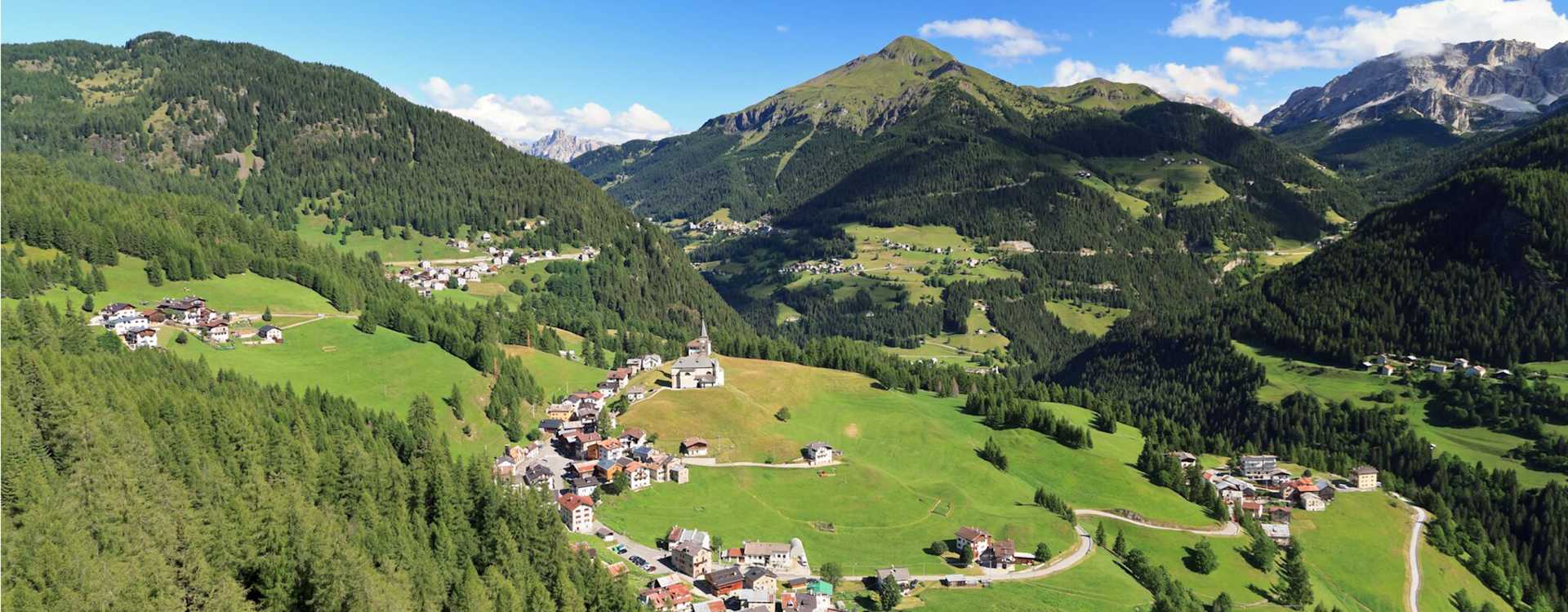
Producing every style of wine and with great success, the Veneto is one of the most multi-faceted wine regions of Italy.
Veneto's appellation called Valpolicella (meaning “valley of cellars” in Italian) is a series of north to south valleys and is the source of the region’s best red wine with the same name. Valpolicella—the wine—is juicy, spicy, tart and packed full of red cherry flavors. Corvina makes up the backbone of the blend with Rondinella, Molinara, Croatina and others playing supporting roles. Amarone, a dry red, and Recioto, a sweet wine, follow the same blending patterns but are made from grapes left to dry for a few months before pressing. The drying process results in intense, full-bodied, heady and often, quite cerebral wines.
Soave, based on the indigenous Garganega grape, is the famous white here—made ultra popular in the 1970s at a time when quantity was more important than quality. Today one can find great values on whites from Soave, making it a perfect choice as an everyday sipper! But the more recent local, increased focus on low yields and high quality winemaking in the original Soave zone, now called Soave Classico, gives the real gems of the area. A fine Soave Classico will exhibit a round palate full of flavors such as ripe pear, yellow peach, melon or orange zest and have smoky and floral aromas and a sapid, fresh, mineral-driven finish.
Much of Italy’s Pinot grigio hails from the Veneto, where the crisp and refreshing style is easy to maintain; the ultra-popular sparkling wine, Prosecco, comes from here as well.