


Winemaker Notes
The nose is detailed and beautiful - ripe pear and sweet herbs, both citrus juice and rind. The palate is very pure and true, fine boned clarity, lovely proportions, no extra weight (unlike myself). This vintage shows good intensity and saline length. For me, the key word this vintage is purity. This wine is already drinking well in its youth, but will reward maturation.
Blend: 90% Chenin Blanc, 10% Sémillon
Professional Ratings
-
Vinous
The 2021 Cartology is a worthy follow-up to the 2020. It unfurls gradually on the nose with honeysuckle and light yellow plum and mirabelle scents, a mineral undertow that stealthily gains prominence. The palate is very well balanced with just a killer line of acidity; Nashi pear and yellow plum commingle towards a resinous finish. After 10 minutes, it really beginning to fire on all cylinders - another magnificent Cartology. Superb.
-
Robert Parker's Wine Advocate
This year, Chris Alheit had a delightful little surprise in store for me with a vertical of Cartology from 2022 to 2018. Bursting with energetic acidity, the 2021 Cartology Bush Vines is incredibly food friendly but will need one more year to come around. Medium-bodied, the wine is spicy on the mid-palate with a complex and mineral-laced expression before ending with a succulent finish. Rating: 92+
-
Wine & Spirits
This chenin includes ten percent semillon and showcases restrained flavors, layering together citrus oil richness and a mouthwatering texture ready for pork chops. The fruit of dry-farmed bush vines at least 35 years of age, this wine’s intensity marks the long finish, where clean pear flavors come to prominence. It should show more personality with age.
-
Wine Spectator
A sleek white, featuring finely woven flavors of steeped raspberry, yellow peach, blanched almond and delicate herbs that glide along, with minerally smoke and stone undertones. Gains linear focus from vivid acidity, but this opens up beautifully on the palate. Chenin Blanc and Semillon. Drink now through 2026. 2,000 cases made, 240 cases imported.

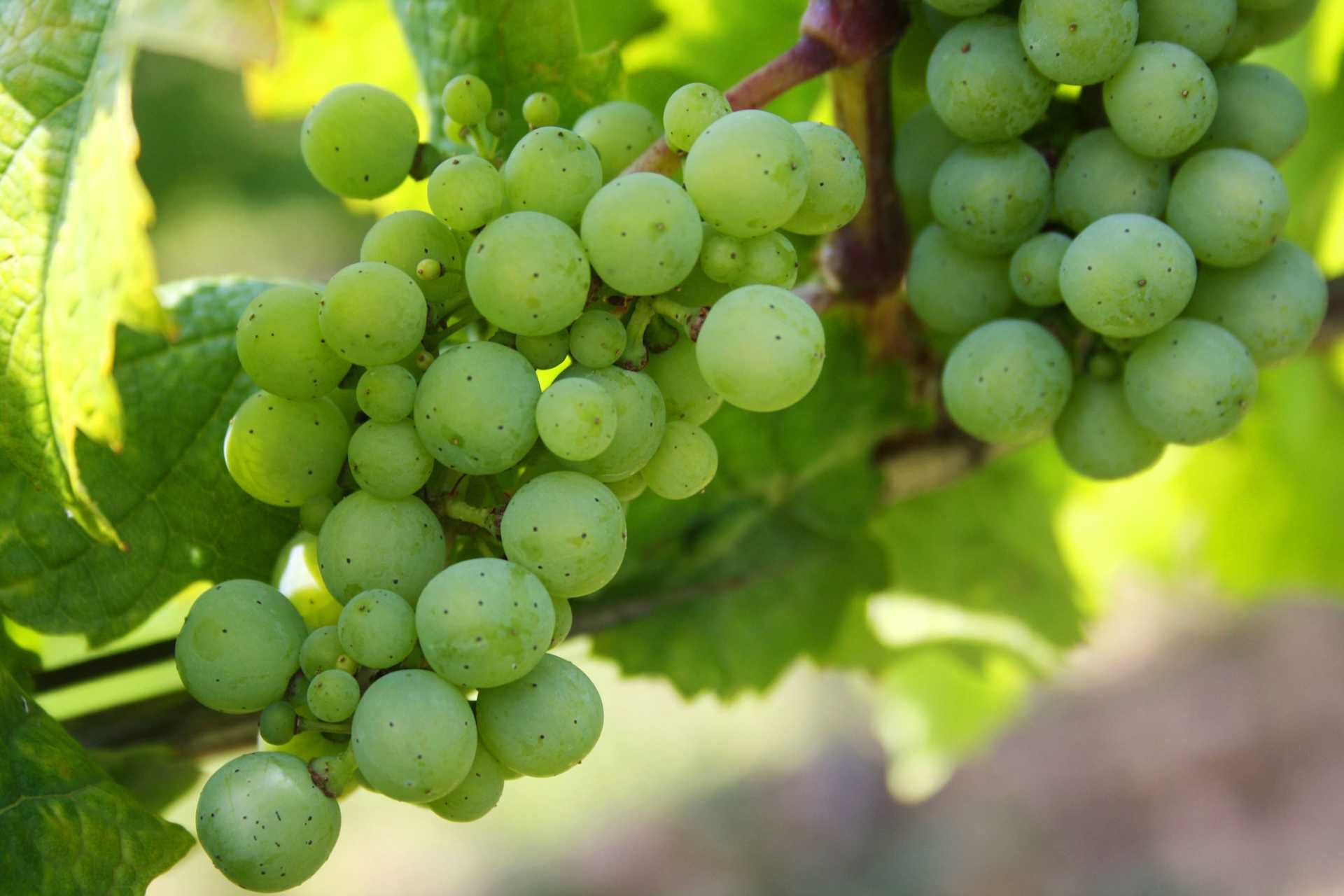
With hundreds of white grape varieties to choose from, winemakers have the freedom to create a virtually endless assortment of blended white wines. In many European regions, strict laws are in place determining the set of varieties that may be used in white wine blends, but in the New World, experimentation is permitted and encouraged. Blending can be utilized to enhance balance or create complexity, lending different layers of flavors and aromas. For example, a variety that creates a soft and full-bodied white wine blend, like Chardonnay, would do well combined with one that is more fragrant and naturally high in acidity. Sometimes small amounts of a particular variety are added to boost color or aromatics. Blending can take place before or after fermentation, with the latter, more popular option giving more control to the winemaker over the final qualities of the wine.

With an important wine renaissance in full swing, impressive red and white bargains abound in South Africa. The country has a particularly long and rich history with winemaking, especially considering its status as part of the “New World.” In the mid-17th century, the lusciously sweet dessert wines of Constantia were highly prized by the European aristocracy. Since then, the South African wine industry has experienced some setbacks due to the phylloxera infestation of the late 1800s and political difficulties throughout the following century.
Today, however, South Africa is increasingly responsible for high-demand, high-quality wines—a blessing to put the country back on the international wine map. Wine production is mainly situated around Cape Town, where the climate is generally warm to hot. But the Benguela Current from Antarctica provides brisk ocean breezes necessary for steady ripening of grapes. Similarly, cooler, high-elevation vineyard sites throughout South Africa offer similar, favorable growing conditions.
South Africa’s wine zones are divided into region, then smaller districts and finally wards, but the country’s wine styles are differentiated more by grape variety than by region. Pinotage, a cross between Pinot Noir and Cinsault, is the country’s “signature” grape, responsible for red-fruit-driven, spicy, earthy reds. When Pinotage is blended with other red varieties, like Cabernet Sauvignon, Merlot, Syrah or Pinot Noir (all commonly vinified alone as well), it is often labeled as a “Cape Blend.” Chenin Blanc (locally known as “Steen”) dominates white wine production, with Chardonnay and Sauvignon Blanc following close behind.