

Winemaker Notes
Professional Ratings
-
Robert Parker's Wine Advocate
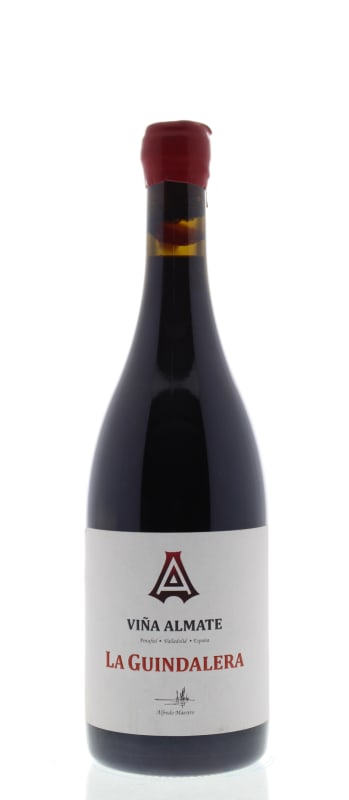
The 2012 Vina Almate La Guindalera, from a warm and dry vintage, is pure Tempranillo from a single-vineyard that names the wine in Bocos de Duero (Valladolid) at 756 meters altitude on alluvial, stony soils that was planted in 1999. The whole-clusters were fermented in inox and the wine was bottled after maturing for one year in used French oak barrels. The nose feels serious and austere, with notes of black fruit (plums, cassis) and mineral hints. The palate is medium-bodied, with fine, grainy tannins and a chalky minerality in the aftertaste. 600 bottles produced. What I heard from Alfredo about the character of these two single-vineyard wines is exactly the opposite to what I discovered in the tasting. Go figure.


Spanish red wine is known for being bold, heady, rustic and age-worthy, Spain is truly a one-of-a-kind wine-producing nation. A great majority of the country is hot, arid and drought-ridden, and since irrigation has only been recently introduced and (controversially) accepted, viticulture has sustained—and flourished—only through a great understanding of Spain’s particular conditions. Large spacing between vines allows each enough resources to survive and as a result, the country has the most acreage under vine compared to any other country, but is usually third in production.
Of the Spanish red wines, the most planted and respected grape variety is Tempranillo, the star of Spain’s Rioja and Ribera del Duero regions. Priorat specializes in bold red blends, Jumilla has gained global recognition for its single varietal Monastrell and Utiel-Requena has garnered recent attention for its reds made of Bobal.