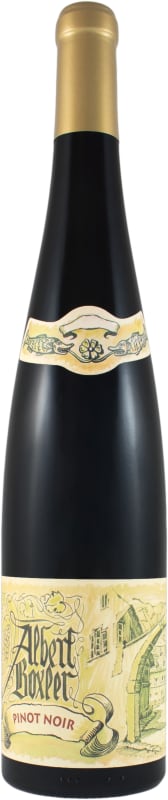


Winemaker Notes
The vines are north facing, ideal for Pinot Noir in this climate, as the wine is guaranteed to be fresh even in hot vintages. Compared to his Pinot Noir “S”, also grown on granite, this cuvée is a little denser, very smooth, silky, and spicy, a wine obviously influenced by his love for Burgundy. As an additional bonus, unlike so many of Boxler’s wines that are best over time, this one is ready to drink immediately.
Professional Ratings
-
Robert Parker's Wine Advocate
From a cooler 42-are plot in the south-facing part of the Sommerberg and from 50- to 70-year-old vines, the 2020 Pinot Noir S shows a clear, pretty coolish, refined and very elegant, precise and fresh, ripe sour-cherry bouquet intertwined with lovely flinty and herbal notes. On the palate, this is a full-bodied and intense, fresh and very elegant, well-concentrated and persistent Pinot Noir from granite soils. The finish has hints of tar and is intense and structured, crisp and stimulatingly bitter. The grapes were picked before the Rieslings and macerated with 50% whole clusters for three weeks without pigèage. After the pressing, the fermentation finishes in tanks before the wine is racked into used Burgundy barrels in December for one year. Even for bottling, the wine has never been pumped. It was bottled unfined and unfiltered in December 2021 with a small production of five barrels.


Thin-skinned, finicky and temperamental, Pinot Noir is also one of the most rewarding grapes to grow and remains a labor of love for some of the greatest vignerons in Burgundy. Fairly adaptable but highly reflective of the environment in which it is grown, Pinot Noir prefers a cool climate and requires low yields to achieve high quality. Outside of France, outstanding examples come from in Oregon, California and throughout specific locations in wine-producing world. Somm Secret—André Tchelistcheff, California’s most influential post-Prohibition winemaker decidedly stayed away from the grape, claiming “God made Cabernet. The Devil made Pinot Noir.”

Small but mighty, this picturesque region in northeastern France is renowned for its white wines produced by passionate families whose winemaking roots span generations and even centuries. Nestled between the Vosges Mountains and the Rhine River, Alsace benefits from a sunny, dry climate and a long growing season. It is one of the most geologically diverse regions in the world — one of the many reasons why Alsace rocks!
Alsace wines include dry, mineral-driven Riesling, earthy Pinot Gris, refreshing Pinot Blanc, exuberant Gewurztraminer, elegant Pinot Noir, and more. From traditional-method sparkling wines to easy-drinking AOC Alsace, to complex Grand Cru bottlings from 51 distinct sites, and rich, late harvest wines, Alsace produces a wine for every occasion. Most Alsace wines are single-varietal bottlings and are labeled with the grape name. The region is also one of the greenest wine-producing areas in France, with 36% of its vineyard area certified organic.
Riesling, the region’s calling card, is dry, fresh and floral in its youth, developing complex mineral and flint character with age. Gewurztraminer is known for its signature spice and lychee aromatics. Pinot Gris is prized for its combination of crisp acidity and savory spice as well as ripe stone fruit flavors. Pinot Blanc is an affable food partner or porch sipper. Pinot Noir, the only red grape in AOC Alsace, is now authorized in three Grand Cru areas and is also used for Crémant d’Alsace sparkling rosé. Any bottle you choose will offer deliciousness, pleasure and value that is unprecedented in other wine regions.