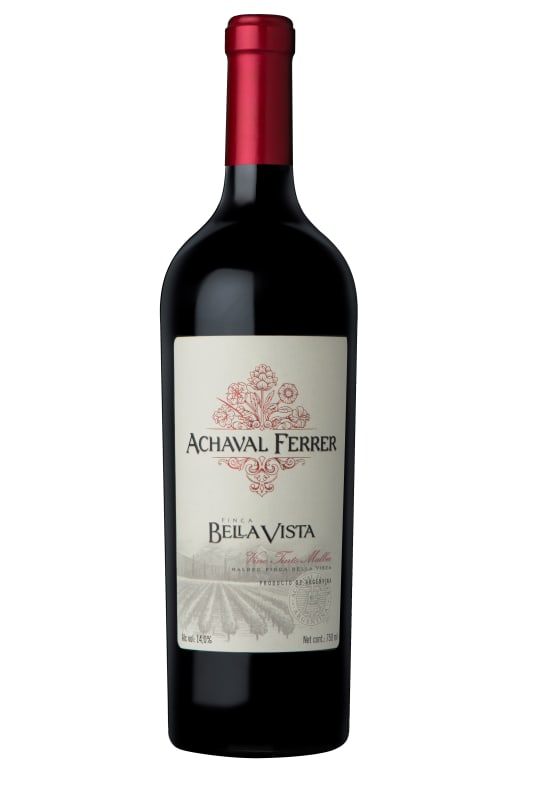


Winemaker Notes
Bella Vista is home to their winery; it is open and spacious and is the reflection of the immensity of the Mendoza River. It is distinguished by its soothing features and finely meshed texture. It is elegant and aromatic with an endless finish and a juicy acidity that stands out.
Professional Ratings
-
James Suckling
Really ripe and opulent but deep and complex on the nose with an undertone of blackberries, tar, balsam and a hint of figs. Naturally concentrated, flavorful, super silky and plush, but there is nice freshness on the palate. Extremely long and hedonistic. I’d rate it even higher were there a tad more freshness on the nose. Drink or hold.
-
Robert Parker's Wine Advocate
The oak is a little more present in the 2019 Malbec Finca Bella Vista, but only in comparison with the other single-vineyard bottlings, as they have started using some 15% used barrels (instead of 100% new, which was what it used to be; and in future vintages, the percentage of used barrels will grow), and the impact of the 13 months (reduced from 15) is lower. This is the classical floral and voluptuous Malbec with silky tannins from their vineyard in Perdriel (where they have the winery) at 985 meters above sea level, on the south bank of the Mendoza River, where the soils are deep, with abundant gravel, and deliver more subtle and elegant wines than Finca Mirador.


Celebrated for its bold flavors and supple texture, Malbec has enjoyed runaway success in Argentina since the late 20th century. The grape originated in Bordeaux, France, where it historically contributed color and tannin to blends. A French agronomist, who saw great potential for the variety in Mendoza’s hot, high-altitude landscape, brought Malbec to Argentina in 1868. Somm Secret—If you’re trying to please a crowd, Malbec is generally a safe bet with its combination of dense fruit and soft tannins.

By far the largest and best-known winemaking province in Argentina, Mendoza is responsible for over 70% of the country’s enological output. Set in the eastern foothills of the Andes Mountains, the climate is dry and continental, presenting relatively few challenges for viticulturists during the growing season. Mendoza, divided into several distinctive sub-regions, including Luján de Cuyo and the Uco Valley, is the source of some of the country’s finest wines.
For many wine lovers, Mendoza is practically synonymous with Malbec. Originally a Bordelaise variety brought to Argentina by the French in the mid-1800s, here it found success and renown that it never knew in its homeland where a finicky climate gives mixed results. Cabernet Sauvignon, Syrah, Merlot and Pinot Noir are all widely planted here as well (and sometimes even blended with each other or Malbec). Mendoza's main white varieties include Chardonnay, Torrontés, Sauvignon Blanc and Sémillon.