
Winemaker Notes
Professional Ratings
-
Robert Parker's Wine Advocate
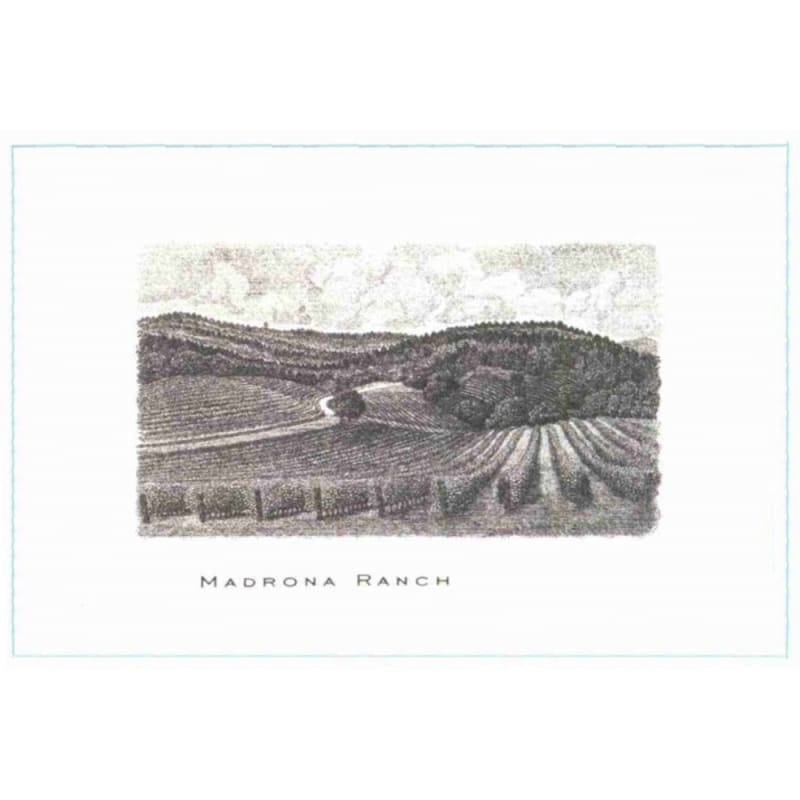
Abreu’s first venture with Cabernet Sauvignon was from the Madrona Ranch, which is essentially the lower hillsides of Spring Mountain, just northwest of St. Helena. The dense purple-colored 2006 Madrona Ranch (55% Cabernet Sauvignon, 40% Cabernet Franc, and 5% Petit Verdot) is extraordinary. Its nose of charcoal, espresso roast, blackberries, cassis, crushed rocks, and white chocolate is followed by a ripe, pure wine with a fabulous mid-palate texture (a characteristic of all these wines), and good balance as well as length. It will benefit from 2-3 years of cellaring, and keep for 30 years.


Undoubtedly proving its merit over and over, Napa Valley is a now a leading force in the world of prestigious red wine regions. Though Cabernet Sauvignon dominates Napa Valley, other red varieties certainly thrive here. Important but often overlooked include Merlot and other Bordeaux varieties well-regarded on their own as well as for their blending capacities. Very old vine Zinfandel represents an important historical stronghold for the region and Pinot noir is produced in the cooler southern parts, close to the San Pablo Bay.
Perfectly situated running north to south, the valley acts as a corridor, pulling cool, moist air up from the San Pablo Bay in the evenings during the hot days of the growing season, which leads to even and slow grape ripening. Furthermore the valley claims over 100 soil variations including layers of volcanic, gravel, sand and silt—a combination excellent for world-class red wine production.