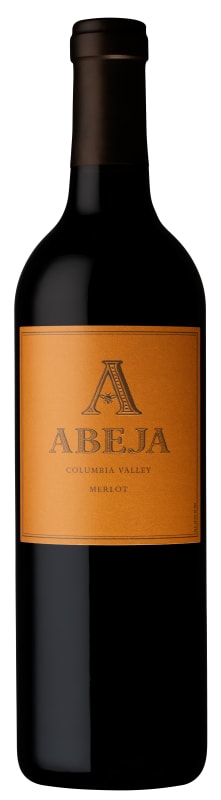


Winemaker Notes
An enticing nose of blueberry compote and baking spice is woven with intricacies of earth and hibiscus. Generous black and red fruits open with juicy acidity on a structured palate with a moderate body and supple, fine-grained tannins. Undertones of black olive appear throughout, with subtleties of licorice and Oolong tea as dark plum and cocoa powder linger in the finish.
Professional Ratings
-
Wine Enthusiast
If I could mix up a batch of blueberry fruit leather with violets and bits of blood orange, it would smell just like this dazzling Merlot. Flavors of blackcap raspberries, anise and bone marrow are backed by firm, ripe fine-grained tannins and lively acidity. Drink now–2035.
Cellar Selection -
James Suckling
Generous, plump fruit flavors fill a broad, juicy texture in this full-bodied and gently tannic wine. Difficult not to like the sunny strawberry, cherry and cinnamon flavors. Drink or hold.
-
Vinous
The 2021 Merlot lifts from the glass with a delicate blend of crushed wild berries, violets and white smoke. This is a juicy and energetic effort, with round textures and plumb red and blue fruits. Lightly structured, it tapers off with a youthful tension and leaves a pleasantly bitter twang.
-
Wine Spectator
An elegantly structured version, with precise flavors of red currant and cherry highlighted by coffee bean and toffee hints. Finishes with snappy tannins.


With generous fruit and supple tannins, Merlot is made in a range of styles from everyday-drinking to world-renowned and age-worthy. Merlot is the dominant variety in the wines from Bordeaux’s Right Bank regions of St. Emilion and Pomerol, where it is often blended with Cabernet Franc to spectacular result. Merlot also frequently shines on its own, particularly in California’s Napa Valley. Somm Secret—As much as Miles derided the variety in the 2004 film, Sideways, his prized 1961 Château Cheval Blanc is actually a blend of Merlot and Cabernet Franc.

An important winegrowing state increasingly recognized for its high-quality reds and whites, Washington ranks second in production in the U.S. after California. Washington wines continue to gain well-deserved popularity as they garner higher and higher praise from critics and consumers alike.
Washington winemakers draw inspiration mainly from Napa Valley, Bordeaux and the Rhône as well as increasingly from other regions like Spain and Italy. Most viticulture takes place on the eastern side of the state—an arid desert in the rain shadow of the Cascade mountains. Irrigation is made possible by the Columbia River. Temperatures are extreme, with hot and dry summers and cold winters, during which frost can be a risk.
Washington’s wine industry was initially built on Merlot, which remains an important variety to this day, despite having been overtaken in acreage planted by Cabernet Sauvignon and Syrah. Bordeaux blends and Rhône blends are common as well as single varietal bottlings. Washington reds tend to express a real purity of concentrated fruit. The best examples have a bold richness, seamless texture, plush or powdery tannins and flavors such as licorice, herb, forest floor, espresso and dark chocolate.
In terms of white wine from Washington state, Riesling is the state’s major success story, producing crisp, aromatic examples with plenty of stone fruit that range from bone dry to lusciously sweet. Chardonnay and Sauvignon Blanc perform nicely here as well, and Viognier is beginning to pick up steam.