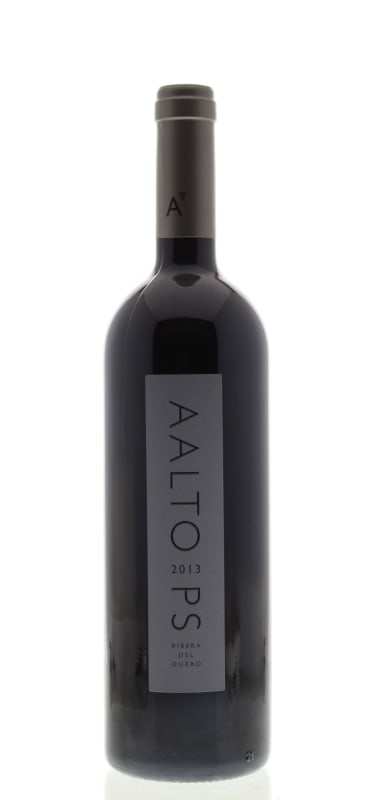


Winemaker Notes
Professional Ratings
-
Robert Parker's Wine Advocate
The 2013 Aalto PS was bottled at the same time as the regular 2013 Aalto, which means less time in oak (for this limited cuvée all the barrels were new) and the vintage was a little lighter and had higher acidity. They also had to do a more careful sorting, which resulted in less wine. The nose is subtler and more balanced and integrated. The bottled wine has less alcohol than previous years. The fresher vintages definitively take the oak in a different way and the wood feels better integrated; there are violets, bright cherries and fresher fruit than in other vintages, showing more of the character of the place and the grape. It's very open, hedonistic, aromatic and showy. It's very young and accessible, but I'd wait a little to get the edges nicely polished by the bottle. It should have a long life ahead and a nice development. A very nice vintage of PS, but don't get me wrong, it's still in its generous and well-oaked style. 16,000 bottles, a shorter vintage, were filled in July 2015.


Notoriously food-friendly, long-lasting and Spain’s most widely planted grape, Tempranillo is the star variety of red wines from Rioja and Ribera del Duero. The Rioja terms Joven, Crianza, Reserva and Gran Reserva indicate both barrel and bottle time before release. Traditionally blended in Rioja with Garnacha, plus a bit of Mazuelo (Carignan) and Graciano, the Tempranillo in Ribera del Duero typically stands alone. Somm Secret—Tempranillo claims many different names depending on location. In Penedès, it is called Ull de Llebre and in Valdepeñas, goes by Cencibel. Known as Tinta Roriz in Portugal, Tempranillo plays an important role in Port wine.

Ribera del Duero, Spanish wine region, is located in northen Spain’s Castilla y León region, just a 2-hour drive from Madrid. While winemaking in this area goes back more than 2000 years, it was in the 1980s that 9 wineries applied for and were granted Denominación de Origen (D.O.) status. Today, more than 300 wineries call Ribera del Duero home, including some of Spain’s most iconic names.
Notable Facts Ribera’s main grape variety, Tempranillo, locally know as Tinto Fino, is perfectly suited to the extreme climate of the region, where it must survive scorching summers and frigid winters. Low yields resulting from conscientious tending to old vines planted in Ribera’s diverse soils types, give Ribera wines a distinctive depth and complexity not found in other Tempranillos. Rich and full-bodied, the spice, dark fruit and smoky flavors in a bold Ribera del Duero will pair well with roasted and grilled meats, Mexican food and tomato-based sauces.