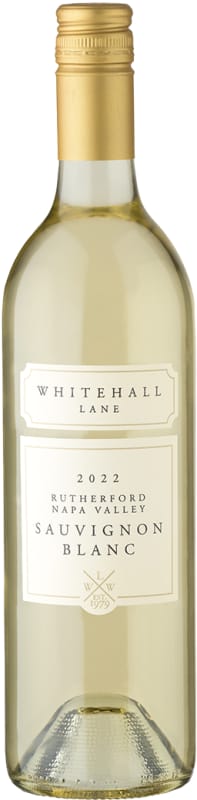


Winemaker Notes
The 2022 Sauvignon Blanc offers a great deal of complexity. On the nose, it evokes white peaches, Golden Delicious apples, sultanas, lemon zest and a hint of lemongrass. Though crisp up front, the mid-palate offers a medium-bodied texture. Its flavors include Gravenstein apples, Bartlett pears, yellow nectarines, baked apple crisp, brioche and a touch of marzipan. The finish has beautiful length with fresh acidity and subtle toasty notes.
Blend: 80% Sauvignon Blanc, 20% Sémillon
Professional Ratings
-
Robert Parker's Wine Advocate
The 2022 Sauvignon Blanc—it includes 20% Sémillon—was mostly fermented and aged in stainless steel, with 25% going into oak. The result is a gently grassy-herbal wine loaded with grapefruit and nectarine-tinged fruit, plus hints of fig and melon. It's medium-bodied, plump and creamy on the mid-palate, then long and silky on the finish. It's nicely complex and composed.
-
Wine Enthusiast
This smooth, rather deep and partially oak-aged wine shows a rounded texture enveloping fresh citrus, light toast and ginger notes, leading to a touch of vanilla on the finish. It's well done in this style and shows the broadening effect of 20% Sémillon.
-
James Suckling
Notes of chalky lemons, white stone fruit with hints of radish, white flowers and stones. Juicy and crisp with medium body. Fruity and easy to drink.


Capable of a vast array of styles, Sauvignon Blanc is a crisp, refreshing variety that equally reflects both terroir and varietal character. Though it can vary depending on where it is grown, a couple of commonalities always exist—namely, zesty acidity and intense aromatics. This variety is of French provenance. Somm Secret—Along with Cabernet Franc, Sauvignon Blanc is a proud parent of Cabernet Sauvignon. That green bell pepper aroma that all three varieties share is no coincidence—it comes from a high concentration of pyrazines (herbaceous aromatic compounds) inherent to each member of the family.

The Rutherford sub-region of Napa Valley centers on the town of Rutherford and covers some of Napa Valley’s finest vineyard real estate, spanning from the Mayacamas in the west, to the Vaca Mountains on the other side of the valley.
Inside of the Rutherford AVA, bordering the Mayacamas, is a stretch of uplands called the Rutherford Bench. (These bench lands technically run the length of Oakville as well). Mountain runoff creates deep, well-drained, alluvial soils on the bench, giving vine roots plenty of reason to permeate deep into the ground. The result is wine with great structure and complexity.
Rutherford Cabernet Sauvingons and Bordeaux Blends garner substantial attention for their enticing fragrances of dusty earth and dried herbs, broad and juicy mid-palates and lush and fine-grained tannins. The sub-appellation claims some of the valley’s most prized vineyards today, namely Caymus, Rubicon and Beckstoffer Georges III.
It is also home to Napa’s most influential and historic personalities. Thomas Rutherford, responsible for the appellation's name, made serious investments here in grape growing and wine production between the years of 1850 to 1880. Gustave Niebaum purchased a large swath of land and completed his winery in 1887, calling it “Inglenook.” Today this remains the oldest bonded winery in California. Georges Latour founded Beaulieu Vineyard in 1900, making it the oldest continuous winery in the state. Latour also hired the famous enologist, André Tchelistcheff, a man credited for single-handedly defining the modern Napa winemaking style.