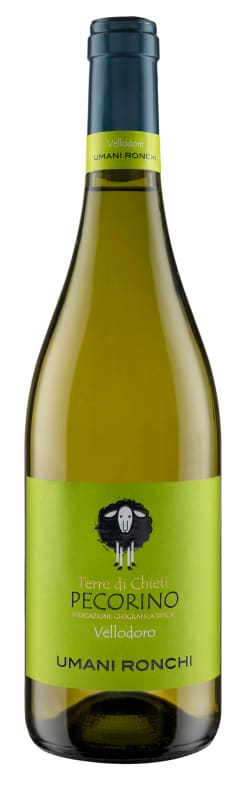


Winemaker Notes
This wine has a brilliant straw yellow color. The mouth shows a good structure and a pleasant freshness, with ripen fruit and sapid hints.. The nose presents intense aromas of fruit and flowers, with very clear mineral notes, intense and persistent.
Ideal with fish dishes, fresh cheeses, pasta, and legume soups.
Vegan-Friendly
Professional Ratings
-
James Suckling
Sliced apples and a tinge of lime cordial on the nose and palate, together with creamy, savory minerals. Flavorful palate with medium body, a dense texture and a long finish. Lots to like here.


There are hundreds of white grape varieties grown throughout the world. Some are indigenous specialties capable of producing excellent single varietal wines. Each has its own distinct viticultural characteristics, as well as aroma and flavor profiles.

A warm, Mediterranean vine-growing paradise, in Abruzzo, the distance from mountains to seaside is relatively short. The Apenniness, which run through the center of Italy, rise up on its western side while the Adriatic Sea defines its eastern border.
Wine composition tends to two varieties: Abruzzo’s red grape, Montepulciano and its white, Trebbiano. Montepulciano d’Abruzzo can come in a quaffable, rustic and fruity style that generally drinks best young. It is also capable of making a more serious style, where oak aging tames its purely wild fruit.
Trebbiano in Abruzzo also comes in a couple of varieties. Trebbiano Toscana makes a simple and fruity white. However when meticulously tended, the specific Trebbiano d’Abruzzo-based white wines can be complex and long-lived.
In the region’s efforts to focus on better sites and lower yields, vine acreage has decreased in recent years while quality has increased.