

Winemaker Notes
The Prisoner was inspired by the “mixed blacks” first made by the Italian immigrants who originally settled in Napa Valley. The Prisoner is now the most recognized Napa Valley red blend, leading the resurgence of interesting blends by incorporating Zinfandel with the unlikely mix of Cabernet Sauvignon, Petite Sirah, Syrah, and Charbono.
The 2017 vintage features enticing aromas of Bing cherry, dark chocolate, clove, and roasted fig. Persistent flavors of ripe raspberry, boysenberry, pomegranate, and vanilla linger harmoniously, for a smooth and luscious finish.
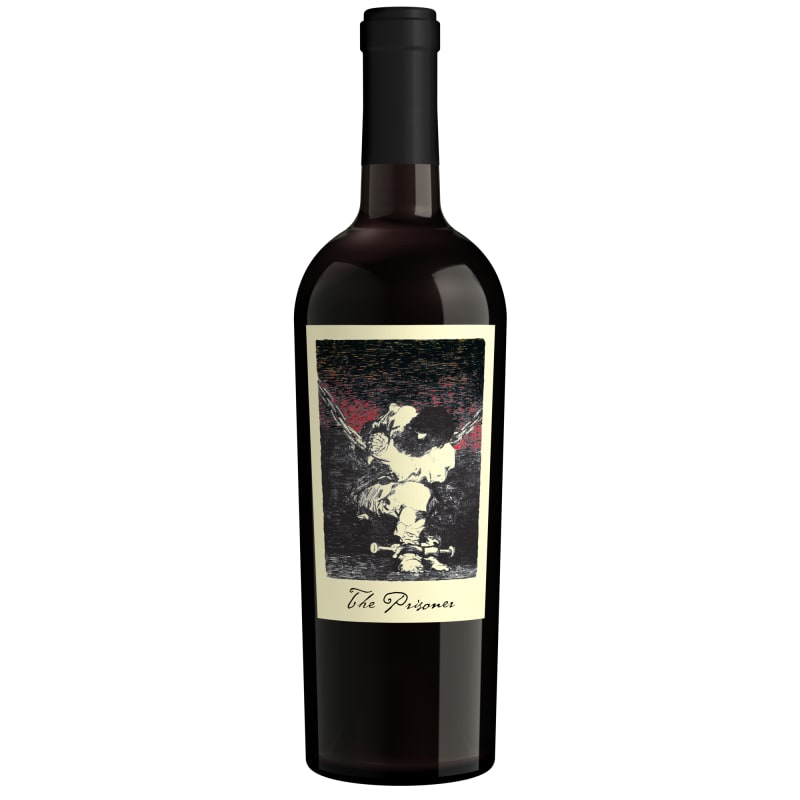
The label is based on the Little Prisoner etching, by one of Spain’s most famous painters, Francisco de Goya, who lived from 1746-1828. It depicts the atrocities of war between France and Spain during the artist’s time.
Professional Ratings
-
Wilfred Wong of Wine.com
COMMENTARY: The Prisoner Red Wine has reached a new plateau. The 2017 vintage, in spite of its generous alcohol, is powerful and well-balanced. TASTING NOTES: This wine is bold, persistent, and lasting. Its aromas and flavors of concentrated berries stay long and persistent on the palate. Pair it with a grilled prime cut ribeye. (Tasted: August 20, 2019, St. Helena, CA)
-
Wine Enthusiast
The famous blend combines Zinfandel, Cabernet Sauvignon, Petite Sirah, Syrah and Charbono from throughout the Napa Valley, combining the grapes into a robust, flavorful explosion of soft, richly rounded fruit and body. It's undeniably appealing.


Undoubtedly proving its merit over and over, Napa Valley is a now a leading force in the world of prestigious red wine regions. Though Cabernet Sauvignon dominates Napa Valley, other red varieties certainly thrive here. Important but often overlooked include Merlot and other Bordeaux varieties well-regarded on their own as well as for their blending capacities. Very old vine Zinfandel represents an important historical stronghold for the region and Pinot noir is produced in the cooler southern parts, close to the San Pablo Bay.
Perfectly situated running north to south, the valley acts as a corridor, pulling cool, moist air up from the San Pablo Bay in the evenings during the hot days of the growing season, which leads to even and slow grape ripening. Furthermore the valley claims over 100 soil variations including layers of volcanic, gravel, sand and silt—a combination excellent for world-class red wine production.