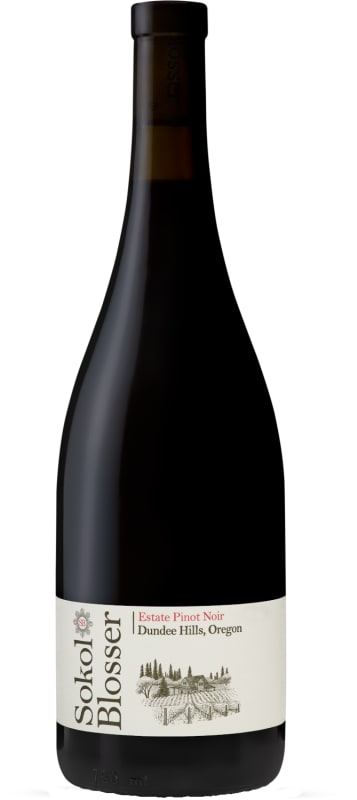


Winemaker Notes
On the nose, the 2021 Dundee Hills Pinot Noir shows notes of black cherry and raspberry accompanied by leather. On the palate, the fruit remains the same but is joined by black pepper and clove.
This wine pairs beautifully with seared salmon, mushroom risotto, as well as grilled lamb with herbs.
Professional Ratings
-
James Suckling
Red fruit character and truffles on the nose. An earthy palate of red cherries and raspberries punctuates this medium-bodied wine, with fine tannins leading to a tangy finish.
-
Wine Enthusiast
Stargazer lily and lavender aromas swirl around a bowl of blueberries and a warm slice of fresh-baked bread. The soft-textured wine is balanced, with bright acidity, silky tannins and dark cherry, clove, citrus and espresso flavors. A medium-long finish is accented by a touch of cinnamon.


Thin-skinned, finicky and temperamental, Pinot Noir is also one of the most rewarding grapes to grow and remains a labor of love for some of the greatest vignerons in Burgundy. Fairly adaptable but highly reflective of the environment in which it is grown, Pinot Noir prefers a cool climate and requires low yields to achieve high quality. Outside of France, outstanding examples come from in Oregon, California and throughout specific locations in wine-producing world. Somm Secret—André Tchelistcheff, California’s most influential post-Prohibition winemaker decidedly stayed away from the grape, claiming “God made Cabernet. The Devil made Pinot Noir.”

Home of the first Pinot noir vineyard of the Willamette Valley, planted by David Lett of Eyrie Vineyard in 1966, today the Dundee Hills AVA remains the most densely planted AVA in the valley (and state). To its north sits the Chehalem Valley and to its south, runs the Willamette River. Within the region’s 12,500 acres, about 1,700 are planted to vine on predominantly basalt-based, volcanic, Jory soil.