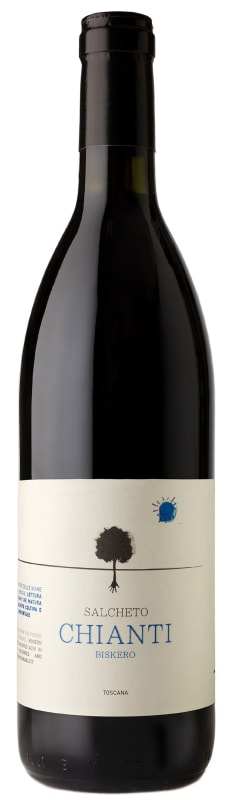


Winemaker Notes
This is an easy drinking Chianti that leads with iris and red berry aromas. On the palate, juicy black fruit notes are matched with earthy characteristics, smooth tannins, bright acidity and white pepper spice.
Professional Ratings
-
James Suckling
This offers dried cherries, raspberries, dried herbs, licorice and a hint of orange peel. Medium-bodied, juicy and textured, with a core of vivid fruit and fine, dusty tannins. Polished and easy to drink. From organically grown grapes. Sustainable.
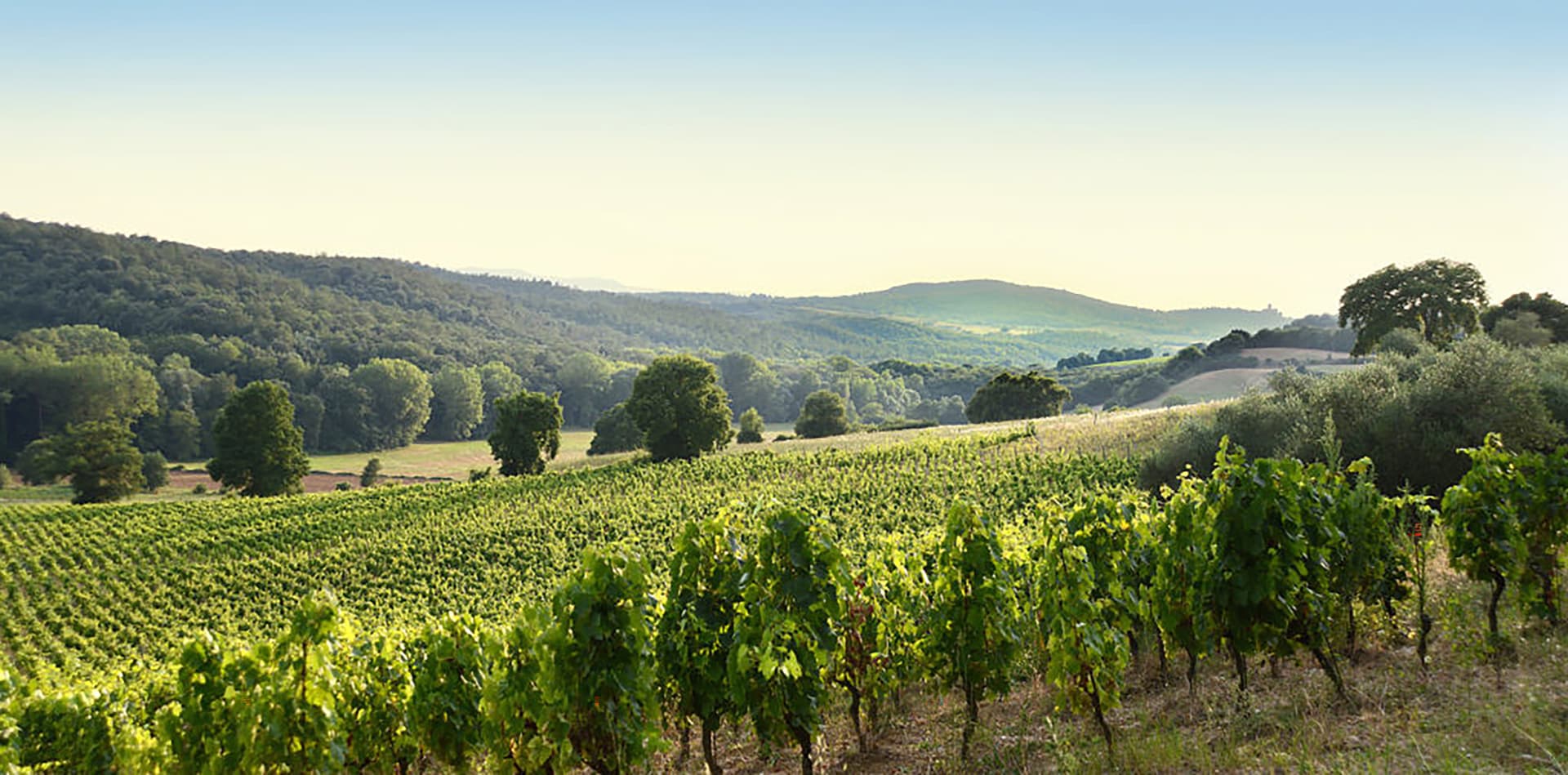




There should be a synergy between the earth and all growing things, man included. At Salcheto they try to respect this relationship on a daily basis, as they attempt to maintain a balance with nature through sustainable farming and winemaking practices. These include non-invasive organic and biodynamic growing methods, as well as systematic energy and water conservation.
Ultimately, the goal is to work in an environmentally responsible manner to create the greatest expression of quality and authenticity in their wines. With this in mind, Salcheto hopes to bring romance and passion to the science of fine winemaking, blending time-honored tradition with modern technology. It is a life challenge that they take very seriously, or at least as seriously as young, passionate winemakers can.
Salcheto is the name of a stream that runs through the property where willows once grew in abundance. They have just begun to replant willow trees on the estate in areas not suitable for viticulture. Eventually Salcheto will use the wood for heating, with the goal of creating a sustainable green system at the winery that is 100-percent energy independent. Even the measure of their carbon footprint per bottle of wine is a true trailblazer for the industry, including not only the work in the vineyard and winery, but also the emissions from obtaining raw materials (glass in particular) and transportation to the final consumer.
At Salcheto, the path to reduce emissions travels hand in hand with quality production of the wines. Salcheto is full energy independence, the first “Off Grid” winery, in the sense of being completely disconnected from traditional power-distribution networks. This result has been achieved by combining, in an integrated way, water recycling and independence, energy savings, and renewable energy sources present in the countryside, not only Solar Photovoltaic but also geothermal and biomasses systems.

Disenchanted with Italian winemaking laws in the 1970s, a few rebellious Tuscan winemakers decided to get creative. Instead of following tradition, to bottle Sangiovese by itself, they started blending it with international varieties, namely Cabernet Sauvignon, Merlot and Syrah in differing proportions and with amazing success. However, some Tuscan Blends don’t even include Sangiovese. Somm Secret—The suffix –aia in Italian modifies a word in much the same way –y acts in English. For example, a place with many stones (sassi) becomes Sassicaia. While not all Super Tuscan producer names end in –aia, they all share a certain coy nomenclature.

One of the first wine regions anywhere to be officially recognized and delimited, Chianti Classico is today what was originally defined simply as Chianti. Already identified by the early 18th century as a superior zone, the official name of Chianti was proclaimed upon the area surrounding the townships of Castellina, Radda and Gaiole, just north of Siena, by Cosimo III, Grand Duke of Tuscany in an official decree in 1716.
However, by the 1930s the Italian government had appended this historic zone with additonal land in order to capitalize on the Chianti name. It wasn’t until 1996 that Chianti Classico became autonomous once again when the government granted a separate DOCG (Denominazione di Origine Controllata e Garantita) to its borders. Ever since, Chianti Classico considers itself no longer a subzone of Chianti.
Many Classicos are today made of 100% Sangiovese but can include up to 20% of other approved varieties grown within the Classico borders. The best Classicos will have a bright acidity, supple tannins and be full-bodied with plenty of ripe fruit (plums, black cherry, blackberry). Also common among the best Classicos are expressive notes of cedar, dried herbs, fennel, balsamic or tobacco.