


Winemaker Notes
The 2024 Skerpioen displays peach and citrus flavors and a touch of tropical aspects, migrating to the trademark salty brine characteristics associated with this vineyard.
Blend: 50% Chenin Blanc, 50% Palomino
Professional Ratings
-
James Suckling
Fresh apricots, salted olives, sea shells, lemon curd and sage on the nose, as well as salted almonds. It’s creamy, textured and medium- to full-bodied, with a saline freshness. Long and delicious. Field blend of chenin blanc and palomino.
-
Vinous
The 2024 Skerpioen is the Chenin Blanc Palomino blend on limestone soils next to the coast, this year's fruit picked early. "The wine was much fuller than I thought and one of the best wines we have made from the site," according to Sadie. The Chenin part speaks louder than the Palomino at the moment, sea spray and shucked oyster shells unfolding on the nose. The palate is fresh and vibrant, very saline in style, certainly very marine influenced with Palomino finally finding its voice on the finish. Superb.
-
Robert Parker's Wine Advocate
From a vineyard co-planted to Chenin Blanc and Palomino, The Sadie Family 2024 Swartland Die Distriksreeks Skerpioen is briny and mineral-driven, with crushed oystershell, honey blossom and pronounced maritime salinity wrapped around a fleshed-out yet vibrant palate. Despite its concentration, the wine carries some of the highest natural acidity in the range. It ages in old acacia wood and oak foudre for 12 months. From 90-year-old vines rooted in limestone-based soils near St. Helena Bay, the site’s coastal influence defines its unmistakable character.

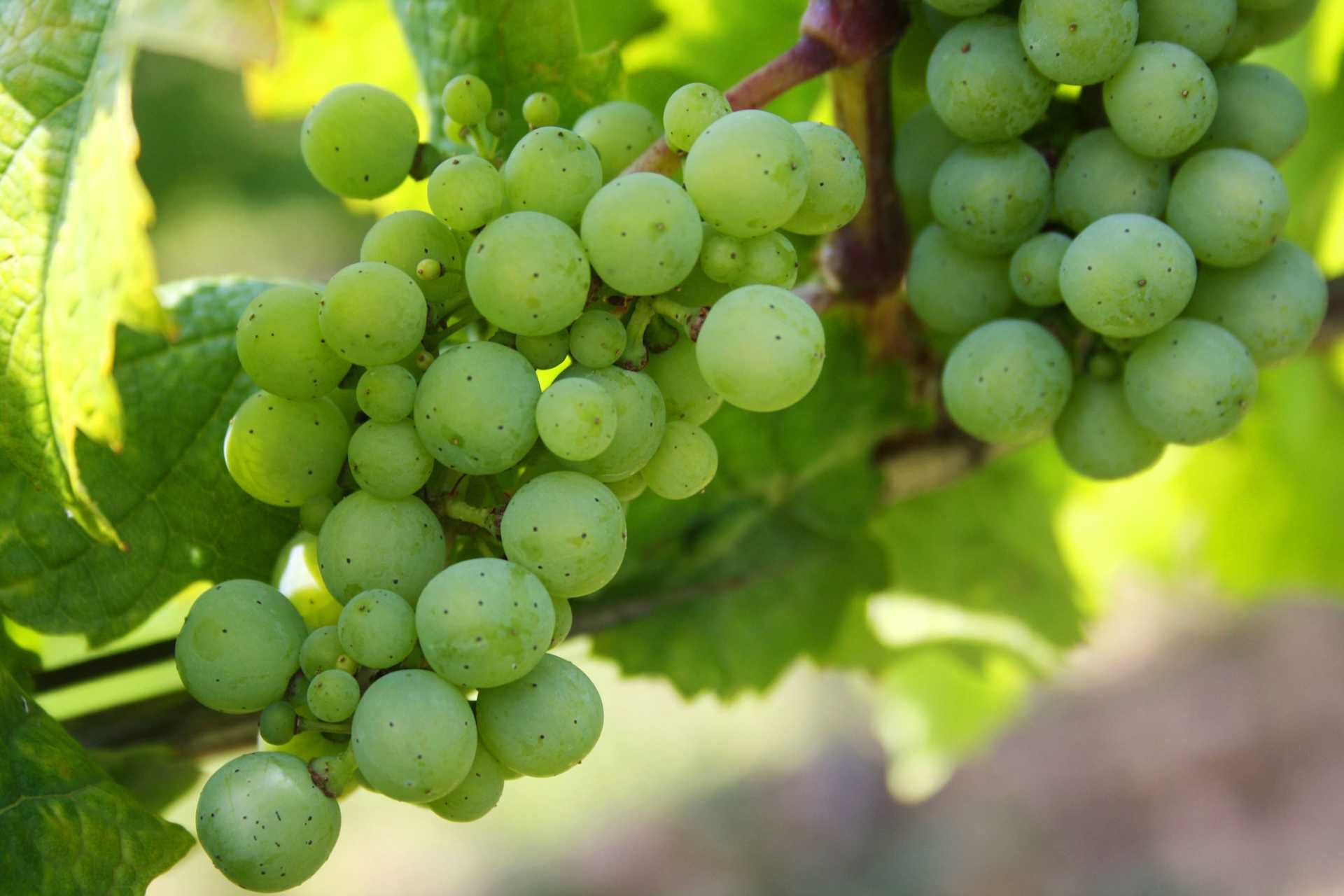
With hundreds of white grape varieties to choose from, winemakers have the freedom to create a virtually endless assortment of blended white wines. In many European regions, strict laws are in place determining the set of varieties that may be used in white wine blends, but in the New World, experimentation is permitted and encouraged. Blending can be utilized to enhance balance or create complexity, lending different layers of flavors and aromas. For example, a variety that creates a soft and full-bodied white wine blend, like Chardonnay, would do well combined with one that is more fragrant and naturally high in acidity. Sometimes small amounts of a particular variety are added to boost color or aromatics. Blending can take place before or after fermentation, with the latter, more popular option giving more control to the winemaker over the final qualities of the wine.

Literally meaning "the black land," Swartland takes its name from the endangered, indigenous "renosterbos" (translating to rhino bush), which used to be plentiful enough to turn the entire landscape a dark color certain during times of year. The district, attracting some of the most adventurous and least interventionist winemakers, excels in robust and full-bodied reds as well as quality fortified wines.