


Winemaker Notes
#3 Wine Spectator Top 100 of 2025
#71 James Suckling Top 100 Wines of the USA 2025
Nose of raspberry, pepper, licorice and a hint of vanilla. Black cherry and plum on the palate with supple tannins, minerality and present acidity. Long, layered finish with notes of garrigue and black tea.
Blend: 76% Zinfandel, 14% Petite Sirah, 7% Carignane, 2% Alicante Bouschet, 1% Mataro
Professional Ratings
-
Jeb Dunnuck
Blending 76% Zinfandel, 14% Petite Sirah, 7% Carignane, 2% Alicante Bouschet and 1% Mataro from an estate vineyard in Dry Creek Valley purchased in 1972, the 2023 Zinfandel Lytton Springs exhibits initial chewiness that leads to fine tannins, with a good heft and underlying acidity. Well-woven oak supports a moderately ripe, medium-bodied frame of structured elegance, aged in 100% air-dried American oak. Enjoy now through 2033.
-
Decanter
A much cooler growing season delayed the start of harvest by about a month, resulting in a wine with greater restraint than the previous vintage. The 2023 is a more elegant take on this wine, with less fruit intensity, but still unmistakably Ridge. Fresh aromas of herbs from a bouquet garni mix with earthy tones and subtle sweet notes from baking spices. The fruit profile oscillates between ripe red and black berries, with a touch of plums and ripe cherries. Tannins are firm yet polished, and there's a soft creaminess to the palate. A wine that is balanced and quite enjoyable now, with many years to evolve in the bottle.
-
James Suckling
A lovely release with lots of freshness from a cooler vintage. Bright and perfumed aromas of red cherries, raspberry coulis, confit plums, licorice and spice. The palate is full-bodied with finely tuned tannins and vibrant, crunchy acidity. Made from 76% zinfandel, 14% petite sirah, 7% carignan, 2% alicante bouschet and 1% mataro.
-
Vinous
The 2023 Lytton Springs is powerfully aromatic and expressive from the jump. It explodes from the glass with dark blue fruit, lavender and blood orange peel, framed by mocha-like richness and a wave of exotic spice. The texture is pure silk, wrapping the palate with seamless contours and lifted freshness courtesy of the cool growing season. A blend of 76% Zinfandel, 14% Petite Sirah, 7% Carignane, 2% Alicante Bouschet and 1% Mataro, the 2023 shows remarkable persistence and poise. If you know Lytton, you know these wines can age for decades—this one is clearly built for the long haul.
-
Wine Spectator
Deeply structured and full of tension, this polished red displays a distinctive personality, offering bold blackberry flavors accented with savory anise, black pepper and dark Asian spices. Ends with big but refined tannins. Zinfandel, Petite Sirah, Carignane, Alicante Bouschet and Mataro.
-
Wilfred Wong of Wine.com
The 1972 Ridge Lytton Springs Zinfandel was my introduction to the outstanding portfolio of Ridge Vineyards. Tasted in the mid-1970s, I can still recall that memorable moment. The 2023 vintage showcases aromas and flavors of brambleberries, oaky notes, and sandalwood to the fore. Pair it with lamb tacos with a sweet mole sauce. (Tasted: March 19, 2025, San Francisco, CA)
-
Robert Parker's Wine Advocate
The 2023 Lytton Springs is a blend of 76% Zinfandel, 14% Petite Sirah, 7% Carignane, 2% Alicante Bouschet and 1% Mataro that matured for 16 months in 19% new air-dried American oak. It’s especially elegant and expressive this year, offering pure aromas of black cherry, blueberry, damp earth, sage, violet and cast iron. The full-bodied palate features concentrated, fragrant flavors. It’s framed by fine, chalky tannins and vibrant acidity and has a long finish replete with soaring floral perfume.
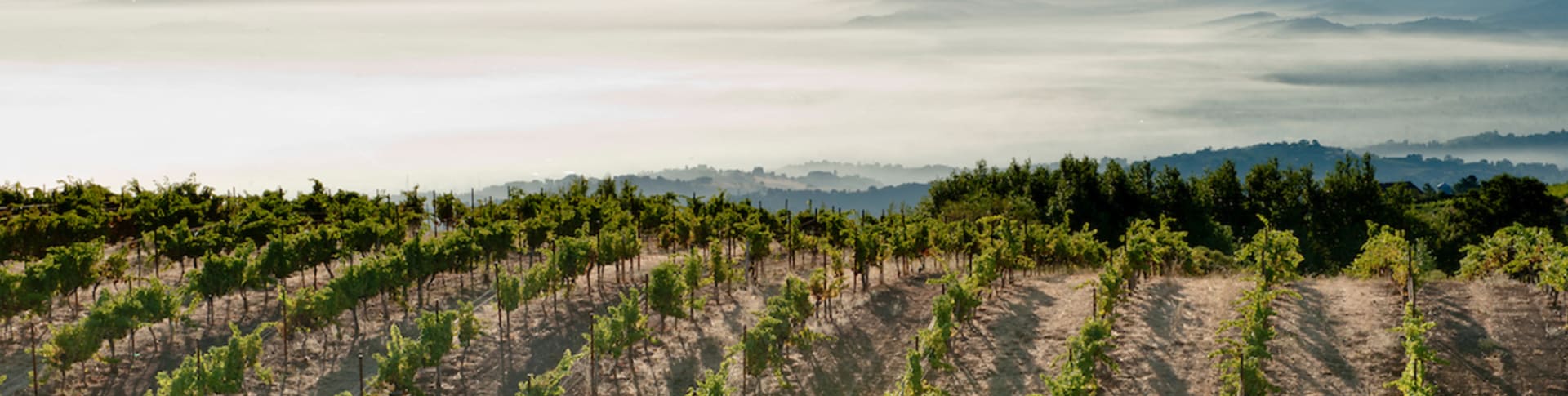




RIDGE's history begins in 1885, when Osea Perrone, a doctor and prominent member of San Francisco's Italian community, bought 180 acres near the top of Monte Bello Ridge in the Santa Cruz Mountains. He planted vineyards and constructed a winery of redwood and native limestone in time to produce the first vintage of Monte Bello in 1892. The historic building now serves as the RIDGE production facility.
In 1962, Ridge Vineyards made its first Monte Bello, and two years later its first zinfandel. The RIDGE approach is straightforward: find the most intense and flavorful grapes, guide the natural process, draw all the fruit's richness into the wine. Decisions on when to pick, when to press, when to rack, what varietals and what parcels to include and when to bottle, are based on taste. To retain the nuances that increase complexity, Ridge winemakers handle the grapes and wine as gently as possible. There are no recipes, only attention and sensitivity.
In August 2021, Ridge Vineyards joined International Wineries for Climate Action (IWCA), a group of like-minded wineries that are dedicated to decarbonizing the global wine industry. RIDGE is committed to achieving Net Zero by 2050 and completes a biannual greenhouse gas audit utilizing the World Resources Institute Greenhouse Gas (GHG) Protocol methodology and be verified by an internationally accredited, third-party auditor.

With hundreds of red grape varieties to choose from, winemakers have the freedom to create a virtually endless assortment of blended red wines. In many European regions, strict laws are in place determining the set of varieties that may be used, but in the New World, experimentation is permitted and encouraged resulting in a wide variety of red wine styles. Blending can be utilized to enhance balance or create complexity, lending different layers of flavors and aromas. For example, a red wine blend variety that creates a fruity and full-bodied wine would do well combined with one that is naturally high in acidity and tannins. Sometimes small amounts of a particular variety are added to boost color or aromatics. Blending can take place before or after fermentation, with the latter, more popular option giving more control to the winemaker over the final qualities of the wine.
How to Serve Red Wine
A common piece of advice is to serve red wine at “room temperature,” but this suggestion is imprecise. After all, room temperature in January is likely to be quite different than in August, even considering the possible effect of central heating and air conditioning systems. The proper temperature to aim for is 55° F to 60° F for lighter-bodied reds and 60° F to 65° F for fuller-bodied wines.
How Long Does Red Wine Last?
Once opened and re-corked, a bottle stored in a cool, dark environment (like your fridge) will stay fresh and nicely drinkable for a day or two. There are products available that can extend that period by a couple of days. As for unopened bottles, optimal storage means keeping them on their sides in a moderately humid environment at about 57° F. Red wines stored in this manner will stay good – and possibly improve – for anywhere from one year to multiple decades. Assessing how long to hold on to a bottle is a complicated science. If you are planning long-term storage of your reds, seek the advice of a wine professional.

A multifaceted and highly reputable sub-region of Sonoma, Dry Creek Valley is responsible for a wide range of wine styles—both red and white. One of the smallest AVAs in California, Dry Creek Valley has a winning combination of ideal geography and climate. Fertile, well-drained soils create concentrated varietal character while long, warm days, bookended by cool nights, allow grapes to reach full phenolic ripeness and balance. The warm and welcoming appellation is home to a number of family-owned vineyards and wineries that place a strong emphasis on sustainable farming practices.
Zinfandel reigns supreme here and still produces in a great number of very old vineyards—often 100 years old or older. These old vines create a powerful, voluptuous and sultry wine unlike those of any other region. Sauvignon Blanc, the valley’s signature white grape, also performs exceptionally well. Many other varieties grow comfortably here, including Cabernet Sauvignon, Grenache and Syrah. Petite Sirah is often found in blends with Zinfandel.