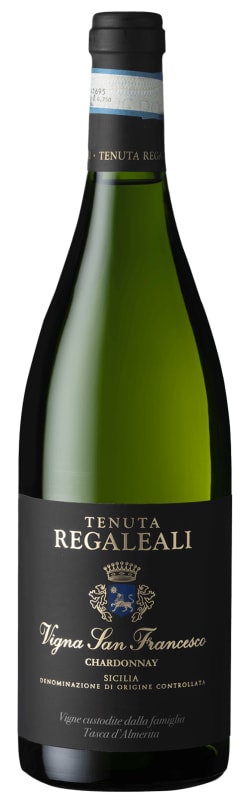


Winemaker Notes
Professional Ratings
-
Wine Enthusiast
On the nose, tart, citrus aromas are balanced by a textured undertone of salted almond. The fruit gets juicier and fresher on the palate, but that toasted nuttiness asserts itself for a smoky, salty grand finale. Big, round and full, even as razor-sharp acid and undeniable saltiness deliver a bracing freshness.
-
James Suckling
Fine creamy note with some brioche and lemon pastries to the sliced apples, mineral and green pineapples. Very fresh on the palate with a medium body and bright beam of acidity. Fresh, creamy finish with good length.
-
Wine Spectator
An elegant, medium-bodied white, with rich accents of toast, chopped hazelnut and anise to the focused flavors of poached apricot, lemon curd and delicate herbs. Silky on the palate, with bright acidity and good length on the salty finish.
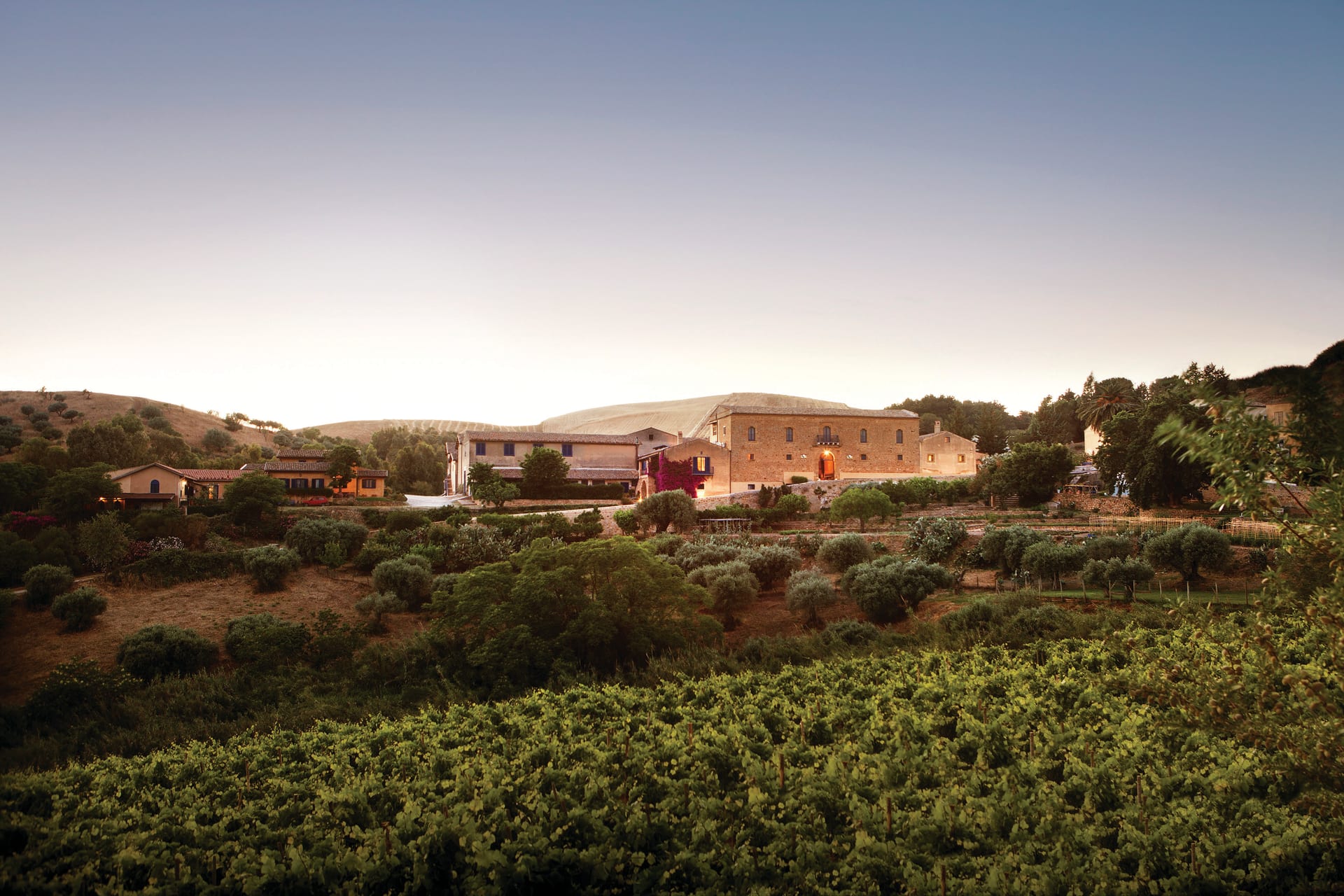



"Regaleali is a vast Sicilian estate owned by the noble Tasca d'Almerita family since 1837 and best-known for its fine wines. Sicily's viticultural roots are some of the world's most ancient as the area supported vines as far back as five centuries before Christ. The Tasca D'Almerita family runs a model estate that yields approximately 200,000 cases annually. The wines are made in one of the world's most modern wineries built under the direction of Ezio Rivella.
The wines of Regaleali continue to grow in both quantity and quality thanks to the hard work and dedication of Count Giuseppe Tasca over the past 50 years. Today the winery is run by Lucio Tasca and his sons, Giuseppe and Alberto who are increasingly involved in management. Carlo Ferrini, one of Italy's most renown enologists, is makes the wines. In conjunction with the winery, Anna Tasca Lanza - Lucio's sister – also runs a highly regarded cooking school at the estate."

One of the most popular and versatile white wine grapes, Chardonnay offers a wide range of flavors and styles depending on where it is grown and how it is made. While it tends to flourish in most environments, Chardonnay from its Burgundian homeland produces some of the most remarkable and longest lived examples. California produces both oaky, buttery styles and leaner, European-inspired wines. Somm Secret—The Burgundian subregion of Chablis, while typically using older oak barrels, produces a bright style similar to the unoaked style. Anyone who doesn't like oaky Chardonnay would likely enjoy Chablis.

A large, geographically and climatically diverse island, just off the toe of Italy, Sicily has long been recognized for its fortified Marsala wines. But it is also a wonderful source of diverse, high quality red and white wines. Steadily increasing in popularity over the past few decades, Italy’s fourth largest wine-producing region is finally receiving the accolades it deserves and shining in today's global market.
Though most think of the climate here as simply hot and dry, variations on this sun-drenched island range from cool Mediterranean along the coastlines to more extreme in its inland zones. Of particular note are the various microclimates of Europe's largest volcano, Mount Etna, where vineyards grow on drastically steep hillsides and varying aspects to the Ionian Sea. The more noteworthy red and white Sicilian wines that come from the volcanic soils of Mount Etna include Nerello Mascalese and Nerello Cappuccio (reds) and Carricante (whites). All share a racy streak of minerality and, at their best, bear resemblance to their respective red and white Burgundies.
Nero d’Avola is the most widely planted red variety, and is great either as single varietal bottling or in blends with other indigenous varieties or even with international ones. For example, Nero d'Avola is blended with the lighter and floral, Frappato grape, to create the elegant, Cerasuolo di Vittoria, one of the more traditional and respected Sicilian wines of the island.
Grillo and Inzolia, the grapes of Marsala, are also used to produce aromatic, crisp dry Sicilian white. Pantelleria, a subtropical island belonging to the province of Sicily, specializes in Moscato di Pantelleria, made from the variety locally known as Zibibbo.