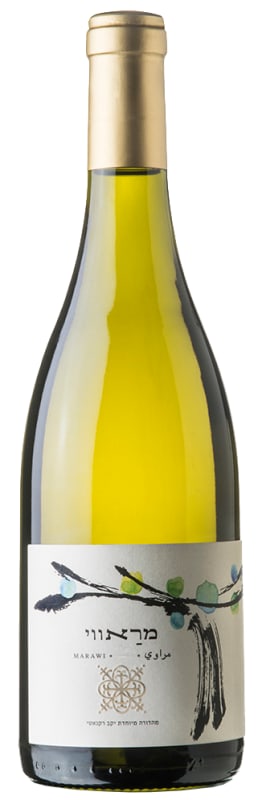


Winemaker Notes
The wine is citrusy, with a wonderful acidity and distinct minerality. This wine is a pure, ancient and candid expression of the Israeli terroir.
This wine is Kosher for Passover
Professional Ratings
-
Robert Parker's Wine Advocate
The 2016 Marawi was aged for six months in 90% used French oak and comes in at 12% alcohol. There was no malolactic fermentation. This shows fine concentration, a lush, velvety mouthfeel and a hint of mushrooms on opening. All good, but I just wanted a little more verve. Retasting it a couple of times more over the next hour showed some. Not that this will ever be a crispy white, but the grip on the finish became more appealing. It acquired a little distinction. This may well be the best yet for the Marawi, but as in the past, let's be a little conservative and see if it can hold and develop. To justify my enthusiasm, it needs to do so. For the moment, let's lean up. It may yet improve.
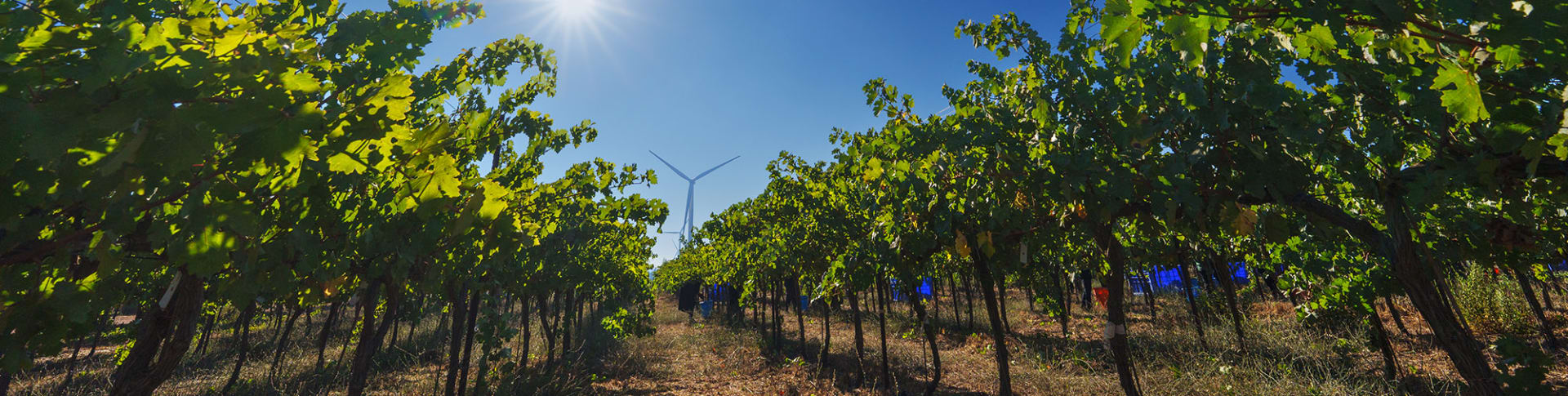



Recanati has been at the forefront of Israel’s modern wine revolution since their founding in 2000. Driven by fearless innovation, they marry international grapes with ancient, indigenous varieties in a relentless pursuit of their core philosophy: produce the finest, artisanal expressions of Israel’s phenomenal, high-altitude terroir.
Lenny Recanati spent his childhood in Israel alongside his parents, tending their backyard vines and making wine, honoring an ancestral tradition that began for the family centuries ago in Italy. As an adult, Lenny’s fascination with wine grew as he visited wineries around the world and began building an incredible personal collection. But merely collecting was not enough — Lenny dreamed of creating the wine, as he had done with his parents. In 2000, his vision became reality when he established the cutting-edge winery that would bear his family name. Today, Recanati is recognized as a leader on the Israeli fine wine scene, known for translating ancient wine culture into thoroughly modern expressions of the country’s unique terroir.
A winery that’s leading a country.
Wines that are surpassing their category.
Winemakers who are defining a style.
This is Recanati ...

There are hundreds of white grape varieties grown throughout the world. Some are indigenous specialties capable of producing excellent single varietal wines. Each has its own distinct viticultural characteristics, as well as aroma and flavor profiles.

With a rich history of wine production dating back to biblical times, Israel is a part of the cradle of wine civilization. Here, wine was commonly used for religious ceremonies as well as for general consumption. During Roman times, it was a popular export, but during Islamic rule around 1300, production was virtually extinguished. The modern era of Israeli winemaking began in the late 19th century with help from Bordeaux’s Rothschild family. Accordingly, most grapes grown in Israel today are made from native French varieties. Indigenous varieties are all but extinct, though oenologists have made recent attempts to rediscover ancient varieties such as Marawi for commercial wine production.
In Israel’s Mediterranean climate, humidity and drought can be problematic, concentrating much of the country’s grape growing in the north near Galilee, Samaria near the coast and at higher elevations in the east. The most successful red varieties are Cabernet Sauvignon, Merlot, and Syrah, while the best whites are made from Chardonnay and Sauvignon Blanc. Many, though by no means all, Israeli wines are certified Kosher.