


Winemaker Notes
Aromatically this wine is full of ripe, chocolate-covered strawberries and sweet plums, with a touch of wet earth. On the palate, the wine is intensely rich with layers of vanilla, baking spice, and silken tannins.
Professional Ratings
-
Wilfred Wong of Wine.com
The 2022 Poliziano Vino Nobile di Montepulciano exhibits a deep garnet-black color and presents aromas of smoky oak, toast, and vibrant red and black fruits. Full-bodied and densely packed, the palate is elevated by ripe blackberries and layers of spicy oak. Bold and structured, this wine pairs perfectly with Lomo Saltado. In this iconic Peruvian beef stir-fry, its richness and savory spice beautifully complement the dish’s bold flavors and seared textures. (Tasted: July 18, 2025, San Francisco, CA)
-
Wine Spectator
Ripe and smooth, this red delivers cherry, plum, iron, earth and spice flavors, backed by pliable tannins. More up-front in terms of impact, ending with moderate length. Sangiovese, Colorino, Canaiolo and Merlot. Drink now through 2033.
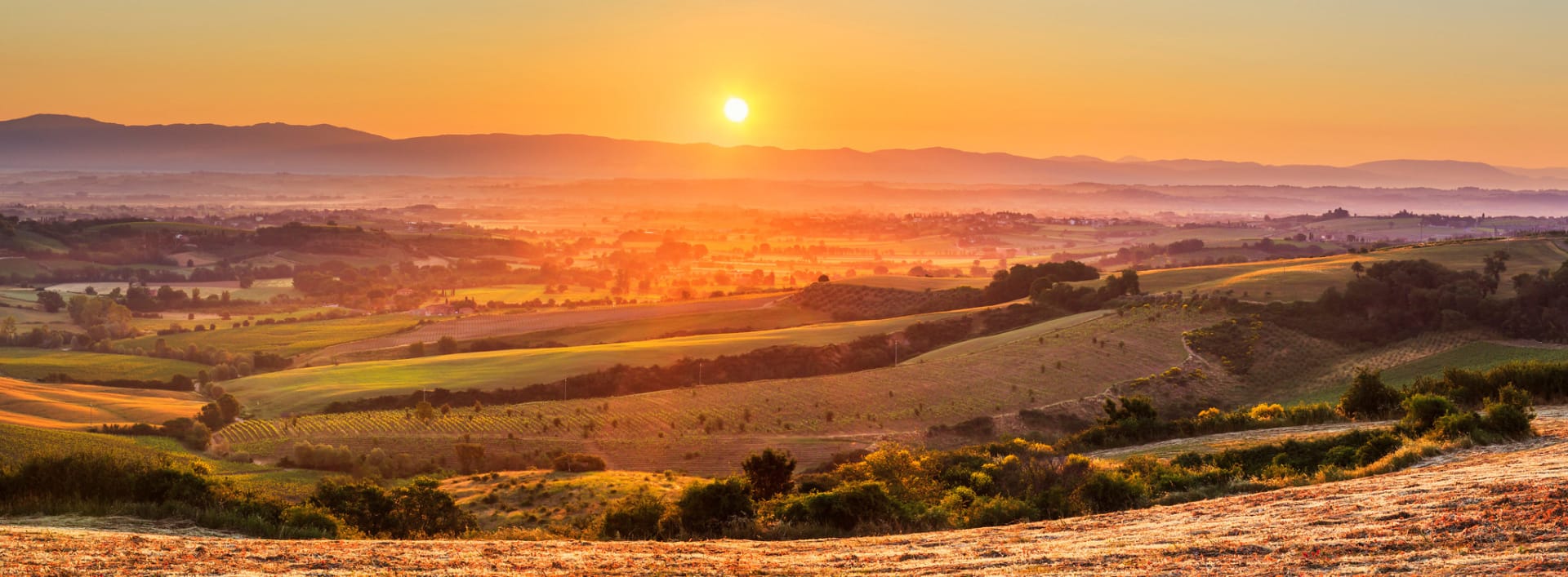



Poliziano is located on the slopes below Montepulciano near the village of Gracciano. On these ridges, at the best altitudes and positions, are the vineyards of Vino Nobile di Montepulciano. The Poliziano Estate was founded in 1961 when Federico Carletti's father, Dino, purchased 55 acres. Today it consists of over 500 acres.
After taking his degree in agriculture, Federico Carletti worked in northern Italy. In 1980 he returned to Tuscany and began working full time on his father's estate. In the past two decades, Federico has created some of the finest wines in this top quality wine-producing area. Federico chose the name "Poliziano" because he loved the work of a renowned native poet, Angelo Ambrogini. Angelo was known as Il Poliziano, because he came from Montepulciano. Angelo's portrait hangs in the tasting room in the center of the estate. Some of Poliziano's wines, such as Le Stanze, were named after the poet.
Federico thinks of himself "as a farmer", because he is "convinced that fine wines originate in the vineyard. Selected clones, planting layouts, rootstock, pruning methods and training systems are chosen with the sole object of ensuring the quality of the grapes. This is the starting point for my wines: they are made only from grapes grown on the estate, respecting their original vintage and the typicality of the area they come from.”

Among Italy's elite red grape varieties, Sangiovese has the perfect intersection of bright red fruit and savory earthiness and is responsible for the best red wines of Tuscany. While it is best known as the chief component of Chianti, it is also the main grape in Vino Nobile di Montepulciano and reaches the height of its power and intensity in the complex, long-lived Brunello di Montalcino. Somm Secret—Sangiovese doubles under the alias, Nielluccio, on the French island of Corsica where it produces distinctly floral and refreshing reds and rosés.

This significant Tuscan village—not to be confused with the red grape of the same name widely grown in Abruzzo and the Marche regions—was home to one of the first four Italian DOCGs granted in 1980.
Based on the Sangiovese grape (here called Prugnolo Gentile), the village’s prized wine called Vino Nobile di Montepulciano ranks stylistically in between Chianti Classico, for its finesse, and Brunello di Montalcino for its power. With a deep ruby color, heavy concentration and a firm structure given by the village's heavy, cool clay soils, most Vino Nobile di Montepulciano will demand some bottle age.