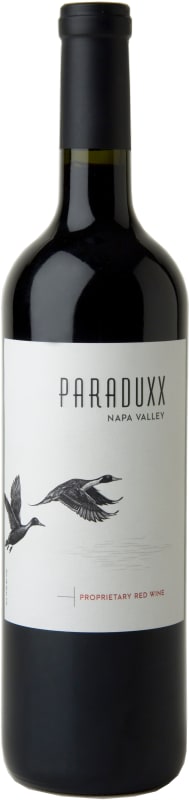


Winemaker Notes
Blend: 54% Cabernet Sauvignon, 20% Zinfandel, 19% Petit Verdot, 7% Merlot
Professional Ratings
-
Wilfred Wong of Wine.com
COMMENTARY: Since when does Zinfandel and Cabernet Sauvignon go together in a blend? While there are many of these kinds of wines in the marketplace, Paraduxx is one of the few wineries to do such an excellent job in fashioning this type of wine. The 2016 Paraduxx Proprietary Red takes the power of Zinfandel and combines it successfully with the stylish of Cabernet Sauvignon. TASTING NOTES: This wine shows plenty of richness on the palate as well as length in the finish. Its aromas and flavors of alluring bramble berries and bright blackcurrants should pair it well with an eye of the round roast. (Tasted: April 11, 2019, San Francisco, CA)
-
James Suckling
An unusually minty cabernet for a modern Napa wine, but the delicate bitter-chocolate note is very modern. The elegant, moderately dry tannins and the crispness at the long finish make this super food-friendly for a red with almost 15 per cent alcohol. Drink or hold.
-
Jeb Dunnuck
The 2016 Proprietary Red Wine checks in as an interesting blend of 54% Cabernet Sauvignon, 20% Zinfandel, 19% Petit Verdot, and 7% Merlot. It's a delicious, fruit-forward, textured effort that has tons of cassis, toasted spice, licorice, and dried herb aromas and flavors. It's nicely balanced and packs tons of pleasure.


Undoubtedly proving its merit over and over, Napa Valley is a now a leading force in the world of prestigious red wine regions. Though Cabernet Sauvignon dominates Napa Valley, other red varieties certainly thrive here. Important but often overlooked include Merlot and other Bordeaux varieties well-regarded on their own as well as for their blending capacities. Very old vine Zinfandel represents an important historical stronghold for the region and Pinot noir is produced in the cooler southern parts, close to the San Pablo Bay.
Perfectly situated running north to south, the valley acts as a corridor, pulling cool, moist air up from the San Pablo Bay in the evenings during the hot days of the growing season, which leads to even and slow grape ripening. Furthermore the valley claims over 100 soil variations including layers of volcanic, gravel, sand and silt—a combination excellent for world-class red wine production.