


Winemaker Notes
The nose is youthful and bright, full of red and Bing cherries. On the palate, notes of hard candy, with a lively Jolly Rancher-like cherry flavor. Mid-palate notes of cardamom, with a pleasurable, slightly herbal finish, with a trace of basil. The characteristics of Dolcetto shine through: a graceful balance of acidity and light tannins, alongside a youthful exuberance and freshness that make the varietal so versatile at the table.
Similar in weight to your favorite Pinot Noir, Dolcetto pairs well with antipasti, pastas with meat sauces, grilled fish, roasted poultry, and of course…pizza! Pour a glass and enjoy during kitchen meal prep, or on the patio while grilling.
Professional Ratings
-
Wilfred Wong of Wine.com
The 2014 Palmina Dolcetto, a wine not previously on my radar—is one of the most impressive red wines I have tasted over the last few months. From start to finish, this wine drinks so very nicely. This grape variety just wants to be enjoyed with a meal and not put on a fancy stage. Just invite family, friends, and neighbors and enjoy. Its bright red fruit flavors, and juiciness on the palate suggest a beautiful pairing with a Margherita pizza. (Tasted: February 8, 2017, San Francisco, CA)

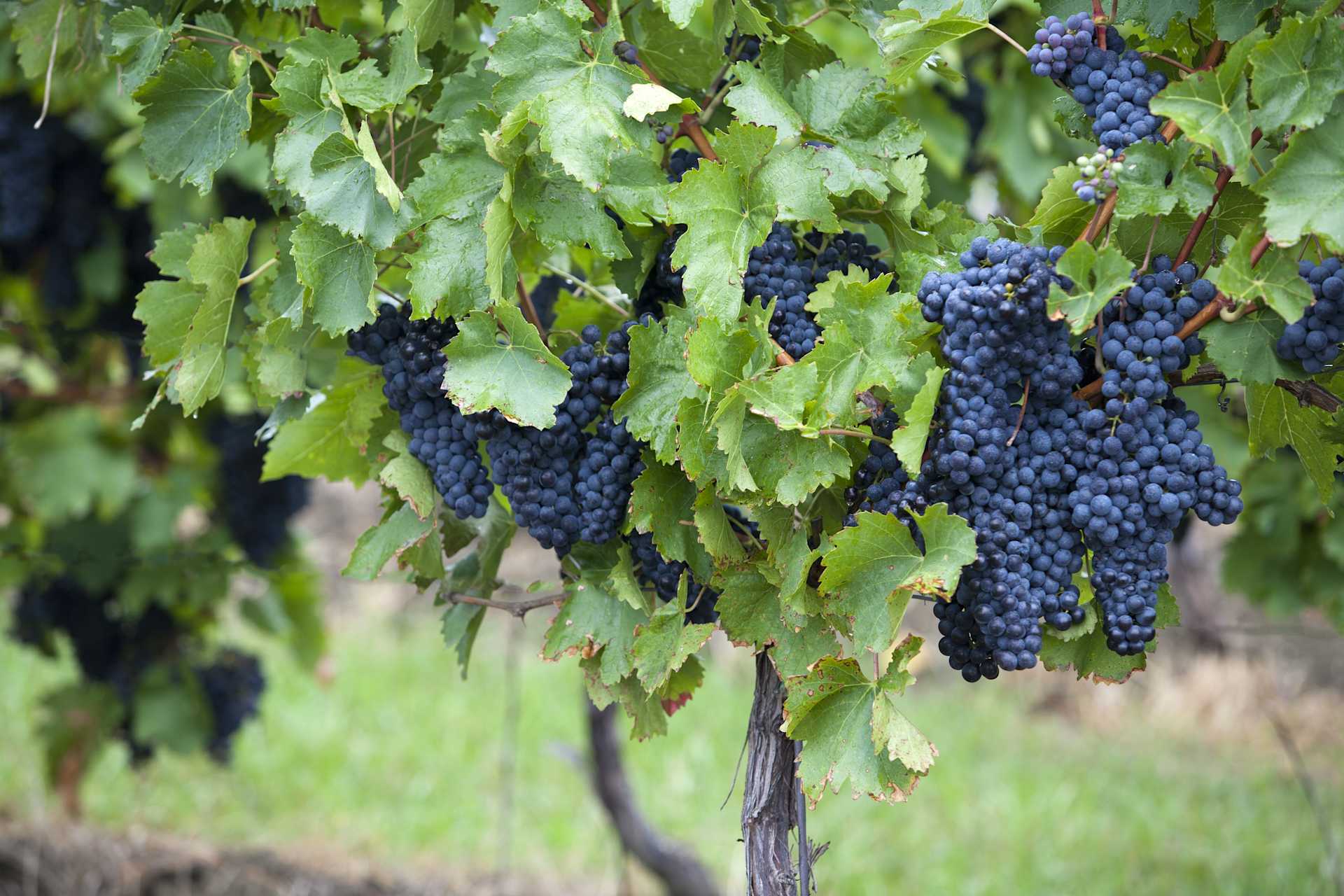
An easy drinking red with soft fruity flavors—but catchy tannins, Dolcetto is often enjoyed in its native Piedmont on a casual weekday night, or for apertivo (the canonical Piedmontese pre-dinner appetizer hour). Somm Secret—In most of Piedmont, easy-ripening Dolcetto is relegated to the secondary sites—the best of which are reserved for the king variety: Nebbiolo. However, in the Dogliani zone it is the star of the show, and makes a more serious style of Dolcetto, many of which can improve with cellar time.

Ranging from cool and foggy in the west to warm and dry in the east, the Santa Ynez Valley is a climatically diverse growing area. The most expansive AVA within the larger Santa Barbara County region, Santa Ynez is also home to a wide variety of soil types and geographical features. The appellation is further divided into four distinct sub-AVAs—Sta. Rita Hills, Ballard Canyon, Los Olivos District and Happy Canyon—each with its own defining characteristics.
A wide selection of grapes is planted here—more than sixty different varieties, and counting. Chardonnay and Pinot Noir dominate in the chilly west, while Zinfandel, Rhône blends, and Bordeaux blends rule the arid east. Syrah is successful at both ends of the valley, with a lean and peppery, Old-World sensibility closer to the coast and lush berry fruit further inland.