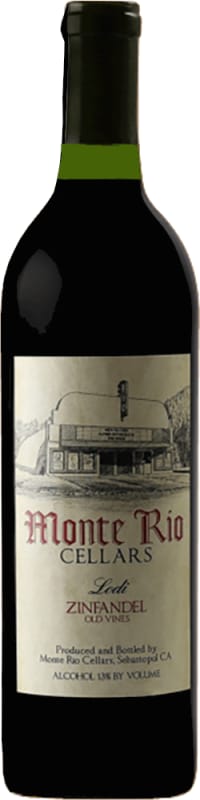


Winemaker Notes
Medium to full in body. Classic flavors of blueberry, tobacco and black pepper. This wine is dry and savory with a bright energetic finish.
Best paired with steak frites or smash burgers.
Professional Ratings
-
Wine Enthusiast
There are many locations where old vine material is used in Lodi. I love that these vineyards are being honored and utilized more in selections offered to enjoy. I like to quote this classic expression of Zinfandel as having so many different “faces”. While this wine is robust, it is still fresh and bright, with aromas of Boysenberry, dark plum, Tahitian vanilla, and notes of violet on the nose. The flavors on the palate are Blackberry jam, coffee beans, molasses, and grilled citrus slices, with simmering spices and grippy tannins on the finish. Aerate and enjoy with smoked brisket.


Unapologetically bold, spice-driven and jammy, Zinfandel has secured its title as the darling of California vintners by adapting well to the state's diverse microclimates and landscapes. Born in Croatia, it later made its way to southern Italy where it was named Primitivo. Fortunately, the imperial nursery of Vienna catalogued specimens of the vine, and it later made its way to New England in 1829. Parading the true American spirit, Zinfandel found a new home in California during the Gold Rush of 1849. Somm Secret—California's ancient vines of Zinfandel are those that survived the neglect of Prohibition; today these vines produce the most concentrated, ethereal and complex examples.

Positioned between the San Francisco Bay and the Sierra Nevada mountain range, the Lodi appellation, while relatively far inland, is able to maintain a classic Mediterranean climate featuring warm, sunny days and cool evenings. This is because the appellation is uniquely situated at the end of the Sacramento River Delta, which brings chilly, afternoon “delta breezes” to the area during the growing season.
Lodi is a premier source of 100+ year old ancient Zinfandel vineyards—some dating back as far as 1888! With low yields of small berries, these heritage vines produce complex and bold wines, concentrated in rich and voluptuous, dark fruit.
But Lodi doesn’t just produce Zinfandel; in fact, the appellation produces high quality wines from over 100 different grape varieties. Among them are Cabernet Sauvignon, Merlot, Chardonnay and Sauvignon blanc as well as some of California's more rare and unique grapes. Lodi is recognized as an ideal spot for growing Spanish varieties like Albarino and Tempranillo, Portugese varieties—namely Touriga Nacional—as well as many German, Italian and French varieties.
Soil types vary widely among Lodi’s seven sub-appellations (Cosumnes River, Alta Mesa, Deer Creek Hills, Borden Ranch, Jahant, Clements Hills and Mokelumne River). The eastern hills are clay-based and rocky and in the west, along the Mokelumne and Cosumnes Rivers, sandy and mineral-heavy soils support the majority of Lodi’s century-old own-rooted Zinfandel vineyards. Unique to Lodi are pink Rocklin-Jahant loam soils, mainly found in the Jahant sub-appellation.