


Winemaker Notes
The aromas of sweet French oak and espresso get more complex with every swirl of the glass, unveiling black plum, ripe raspberry, and violet aromas. The wine is full-bodied, dense, deep and chewy with flavors of black raspberry, plums, roasted herbs, and mint.
This beauty could be enjoyed now with a nice ribeye steak or leg of lamb since it shows incredible balance for such a concentrated wine.
Professional Ratings
-
Vinous
The 2021 Malbec is sourced from Lujan de Cuyo. Aged 12 months in French oak barrels, this purplish wine features plum and white pepper aromas alongside a layer of oak. Dry, rich and velvety, the balanced palate persists on the fruit tones with a faintly taut character. This is a delicate and tasteful Lujan Malbec.
-
Wine Enthusiast
Winemaker Roberto de la Mota sources grapes from vines planted in 1928 in Luján de Cuyo to make this enjoyable Malbec. More austere than the previous year, the 2021 vintage gained in freshness. Black pepper on the nose leads to a lively palate with gentle black-fruit flavors and fine tannins.


Mendel is the first name of the owner's father, a man who came to Argentina with nothing and ended up a successful businessman in different industries. He was also a man that loved the finest things that life had to offer, particularly wine. His daughter, Anabelle, honors her father by seeking perfection in her and Roberto's wines with his name on the label.

Celebrated for its bold flavors and supple texture, Malbec has enjoyed runaway success in Argentina since the late 20th century. The grape originated in Bordeaux, France, where it historically contributed color and tannin to blends. A French agronomist, who saw great potential for the variety in Mendoza’s hot, high-altitude landscape, brought Malbec to Argentina in 1868. Somm Secret—If you’re trying to please a crowd, Malbec is generally a safe bet with its combination of dense fruit and soft tannins.

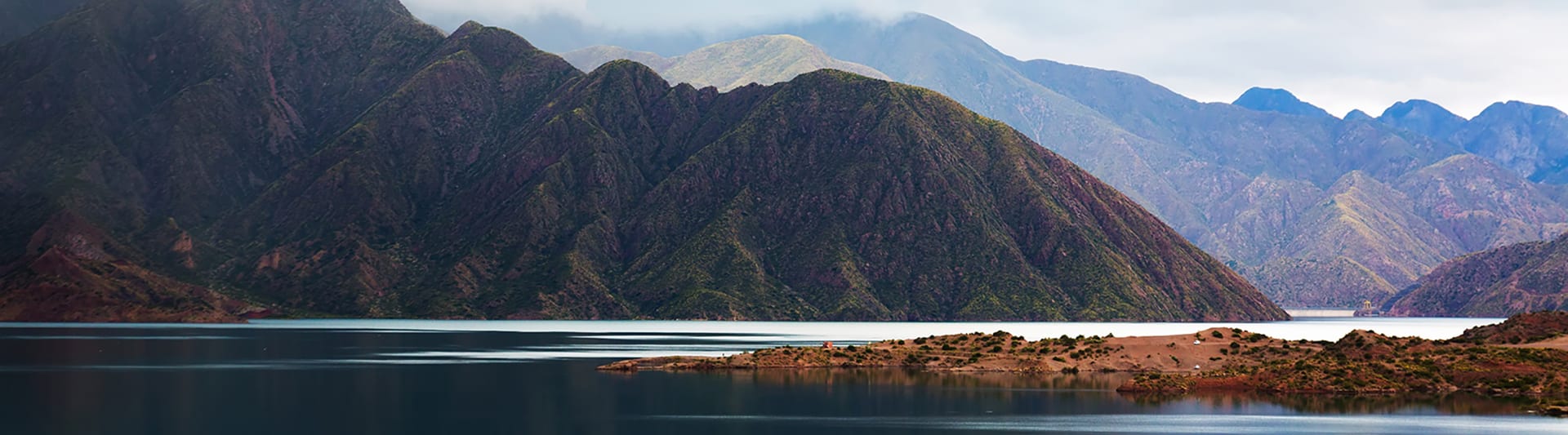
By far the largest and best-known winemaking province in Argentina, Mendoza is responsible for over 70% of the country’s enological output. Set in the eastern foothills of the Andes Mountains, the climate is dry and continental, presenting relatively few challenges for viticulturists during the growing season. Mendoza, divided into several distinctive sub-regions, including Luján de Cuyo and the Uco Valley, is the source of some of the country’s finest wines.
For many wine lovers, Mendoza is practically synonymous with Malbec. Originally a Bordelaise variety brought to Argentina by the French in the mid-1800s, here it found success and renown that it never knew in its homeland where a finicky climate gives mixed results. Cabernet Sauvignon, Syrah, Merlot and Pinot Noir are all widely planted here as well (and sometimes even blended with each other or Malbec). Mendoza's main white varieties include Chardonnay, Torrontés, Sauvignon Blanc and Sémillon.