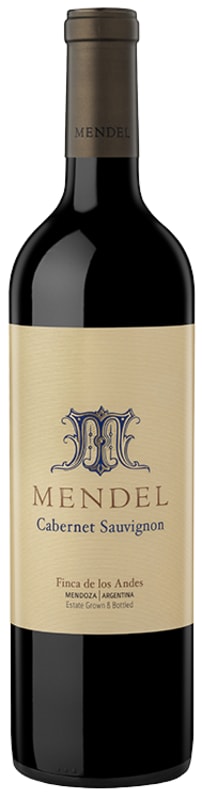


Winemaker Notes
Notes of cassis, red and black pepper, and spices. There are beautiful mineral notes and integrated oak characteristics such as vanilla, caramel, and smoke. The mature and soft tannins are round with a fresh acidity. Concentrated, balanced, and full-flavored, it displays both elegance and freshness.
Professional Ratings
-
James Suckling
A vibrant, fruit-forward cabernet with aromas of crushed stones, dried herbs, violets, blackcurrants and cassis. Full-bodied, well-balanced and full of energy, with firm, fine tannins and a pretty finish.
-
Robert Parker's Wine Advocate
The 2021 Cabernet Sauvignon was produced with grapes from their vineyard in Perdriel (Finca de los Andes is now mentioned on the label) that was planted in 1994 and delivers a fruit-driven and varietal red with fine tannins and a gentle mouthfeel. It fermented in stainless steel and matured in French barrique for one year. It has good ripeness and 14.3% alcohol. I always find notes of honey and beeswax in this wine, and this vintage is not an exception. It has herbal and berry fruit and is fresh, spicy and peppery, from the variety, with a medium to full-bodied palate with fine-grained tannins. It represents the variety, vintage and place faithfully.


Mendel is the first name of the owner's father, a man who came to Argentina with nothing and ended up a successful businessman in different industries. He was also a man that loved the finest things that life had to offer, particularly wine. His daughter, Anabelle, honors her father by seeking perfection in her and Roberto's wines with his name on the label.

A noble variety bestowed with both power and concentration, Cabernet Sauvignon enjoys success all over the globe, its best examples showing potential to age beautifully for decades. Cabernet Sauvignon flourishes in Bordeaux's Medoc where it is often blended with Merlot and smaller amounts of some combination of Cabernet Franc, Malbecand Petit Verdot. In the Napa Valley, ‘Cab’ is responsible for some of the world’s most prestigious, age-worthy and sought-after “cult” wines. Somm Secret—DNA profiling in 1997 revealed that Cabernet Sauvignon was born from a spontaneous crossing of Cabernet Franc and Sauvignon Blanc in 17th century southwest France.

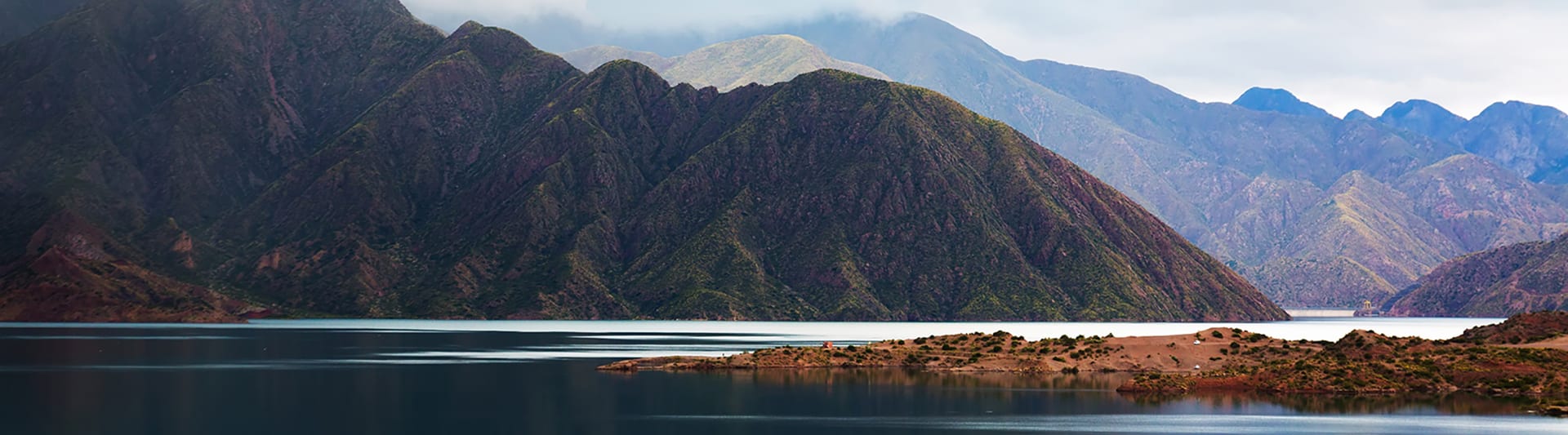
By far the largest and best-known winemaking province in Argentina, Mendoza is responsible for over 70% of the country’s enological output. Set in the eastern foothills of the Andes Mountains, the climate is dry and continental, presenting relatively few challenges for viticulturists during the growing season. Mendoza, divided into several distinctive sub-regions, including Luján de Cuyo and the Uco Valley, is the source of some of the country’s finest wines.
For many wine lovers, Mendoza is practically synonymous with Malbec. Originally a Bordelaise variety brought to Argentina by the French in the mid-1800s, here it found success and renown that it never knew in its homeland where a finicky climate gives mixed results. Cabernet Sauvignon, Syrah, Merlot and Pinot Noir are all widely planted here as well (and sometimes even blended with each other or Malbec). Mendoza's main white varieties include Chardonnay, Torrontés, Sauvignon Blanc and Sémillon.