


Winemaker Notes
Bright and lively greenish-yellow color. Outstanding aromatic intensity with a notable predominance of the floral notes characteristic of the Loureira grape, the fruity touches of apricot and apple typical of Albariño, and the citrus and mineral background provided by the Caiño. An exquisite combination of native nuances that is rounded in the mouth, enjoying a very lively, subtle, and balanced wine with a long and elegant finish
Pazo de Seoane O Rosal 2023 is ideal to enjoy with any food as an aperitif. It is the perfect companion to seafood and fish, as well as salads, fish rice dishes, fowl, and fresh cheese.
Professional Ratings
-
Vinous
The 2023 Pazo de Seoane Rosal, a blend of Albariño, Loureiro, Caiño Blanco and Treixadura from O Rosal, marks the inaugural vintage of this cuvée. Golden-yellow in the glass, it exudes aromas of white flowers, peach, honey and pastry. Delicate on the palate, its malic freshness contrasts with a broad, moderately rich profile. This is a vibrant and enjoyable example from O Rosal.
-
Wine Spectator
A fresh, open-knit white, with well-cut acidity and a swathe of salinity defining flavors of crunchy pineapple and white peach fruit, cucumber and delicate herbs. Crisp finish. Albarino, Loureiro, Caino and Treixadura. Drink now. 4,000 cases made, 500 cases imported.





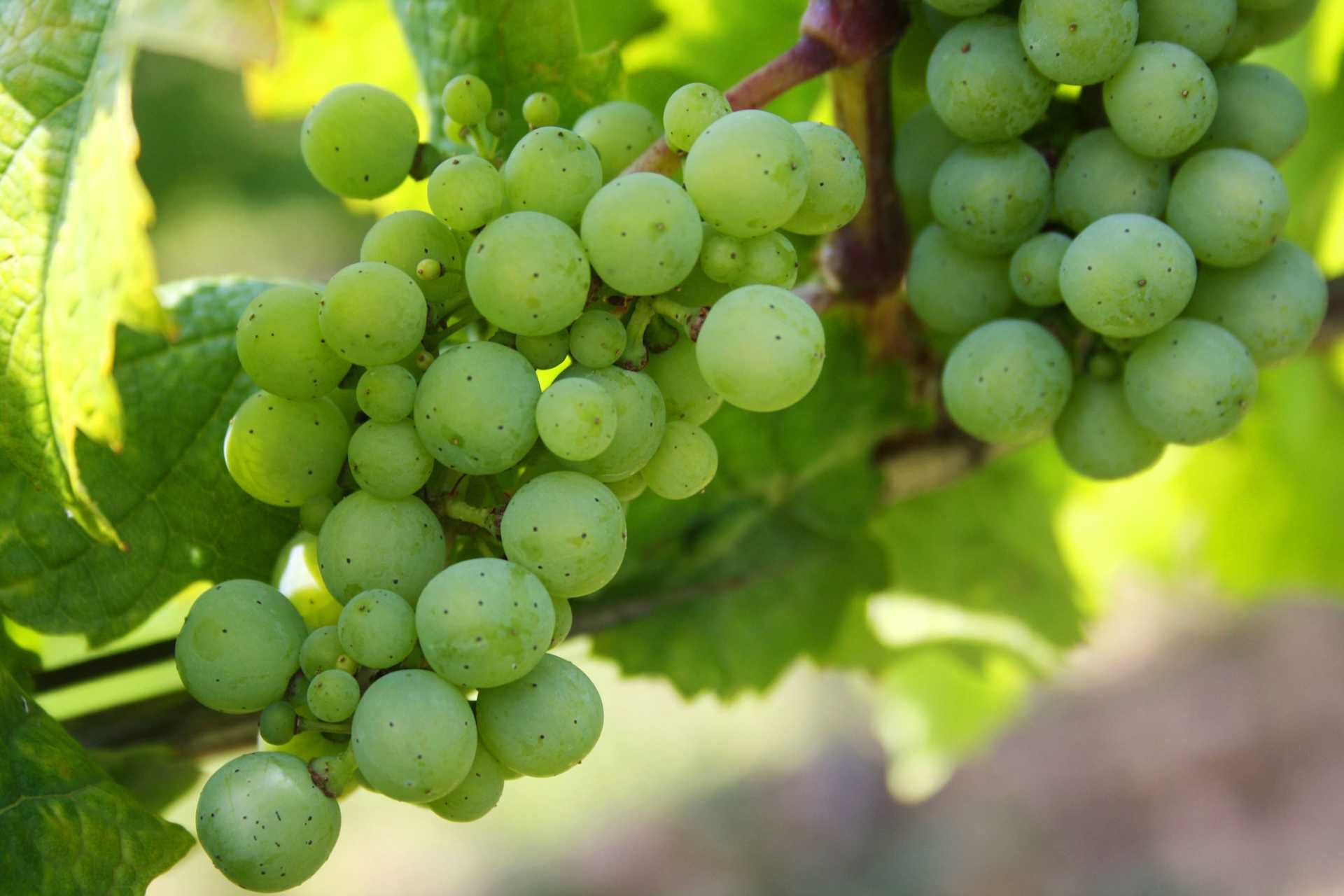
With hundreds of white grape varieties to choose from, winemakers have the freedom to create a virtually endless assortment of blended white wines. In many European regions, strict laws are in place determining the set of varieties that may be used in white wine blends, but in the New World, experimentation is permitted and encouraged. Blending can be utilized to enhance balance or create complexity, lending different layers of flavors and aromas. For example, a variety that creates a soft and full-bodied white wine blend, like Chardonnay, would do well combined with one that is more fragrant and naturally high in acidity. Sometimes small amounts of a particular variety are added to boost color or aromatics. Blending can take place before or after fermentation, with the latter, more popular option giving more control to the winemaker over the final qualities of the wine.

Named after the rías, or estuarine inlets, that flow as far as 20 miles inland, Rías Baixas is an Atlantic coastal region with a cool and wet maritime climate. The entire region claims soil based on granite bedrock, but the inlets create five subregions of slightly different growing environments for its prized white grape, Albariño.
Val do Salnés on the west coast is said to be the birthplace of Albariño; it is the coolest and wettest of all of the regions. Having been named as the original subregion, today it has the most area under vine and largest number of wineries.
Ribeira do Ulla in the north and inland along the Ulla River is the newest to be included. It is actually the birthplace of the Padrón pepper!
Soutomaior is the smallest region and is tucked up in the hills at the end of the inlet called Ria de Vigo. Its soils are light and sandy over granite.
O Rosal and Condado do Tea are the farthest south in Rías Baixas and their vineyards actually cover the northern slopes of the Miño River, facing the Vinho Verde region in Portugal on its southern bank.
Albariño gives this region its fame and covers 90% of the area under vine. Caiño blanco, Treixadura and Loureira as well as occasionally Torrontés and Godello are permitted in small amounts in blends with Albariño. Red grapes are not very popular but Mencía, Espadeiro and Caiño Tinto are permitted and grown.