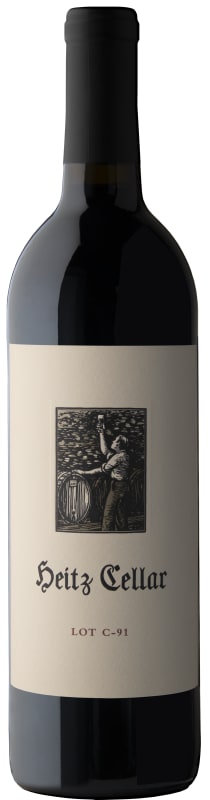


Winemaker Notes
Blend: 100% Cabernet Sauvignon
Professional Ratings
-
James Suckling
Black berry, slate, lead pencil, black currant, and wet earth. Excellent pedigree. Medium to full body with exquisite tannins that run the length of the wine and show intensity and focus. The purity of the cab character shows such clarity and resonates back to the great cabs of the 1970s. A blend of cab from the vineyards: Martha’s, Trailside, Howell Mountain, and Linda Falls. Drinkable but better in four or five years.
-
Wine Spectator
An alluring whiff of mint leads off, followed quickly by tightly wound damson plum and red currant coulis notes. Sleek and tight-grained on the finish, with cedar, savory and iron accents rippling through before leaving a sanguine echo. This distinctive version is set up to age well. Best from 2026 through 2038. 3,769 cases made.




Renowned for crafting Napa Valley's first cult wines, Heitz Cellar is globally recognized as the crown jewel of American wine. The timeless post-Prohibition style of winemaking endures with esteemed winemaker, Brittany Sherwood, producing elegant and balanced wines sourced from 100% organic and biodynamic Napa Valley fruit. Pioneering pure varietal, single-vineyard wines that can age for decades, including the iconic Martha’s Vineyard Cabernet Sauvignon, Heitz Cellar wines hail from the region’s most premier vineyard sites including Oakville, Rutherford, Howell Mountain, St. Helena, and Oak Knoll. Family-owned since its founding in 1961, Heitz Cellar continues to embody the artistry and legacy of classic winemaking with single-vineyard wines that position it as one of the world’s leading wine estates.

One of the most prestigious wines of the world capable of great power and grace, Napa Valley Cabernet is a leading force in the world of fine, famous, collectible red wine. Today the Napa Valley and Cabernet Sauvignon are so intrinsically linked that it is difficult to discuss one without the other. But it wasn’t until the 1970s that this marriage came to light; sudden international recognition rained upon Napa with the victory of the Stag’s Leap Wine Cellars 1973 Cabernet Sauvignon in the 1976 Judgement of Paris.
Cabernet Sauvignon undoubtedly dominates Napa Valley today, covering half of the land under vine, commanding the highest prices per ton and earning the most critical acclaim. Cabernet Sauvignon’s structure, acidity, capacity to thrive in multiple environs and ability to express nuances of vintage make it perfect for Napa Valley where incredible soil and geographical diversity are found and the climate is perfect for grape growing. Within the Napa Valley lie many smaller sub-AVAs that express specific characteristics based on situation, slope and soil—as a perfect example, Rutherford’s famous dust or Stags Leap District's tart cherry flavors.